


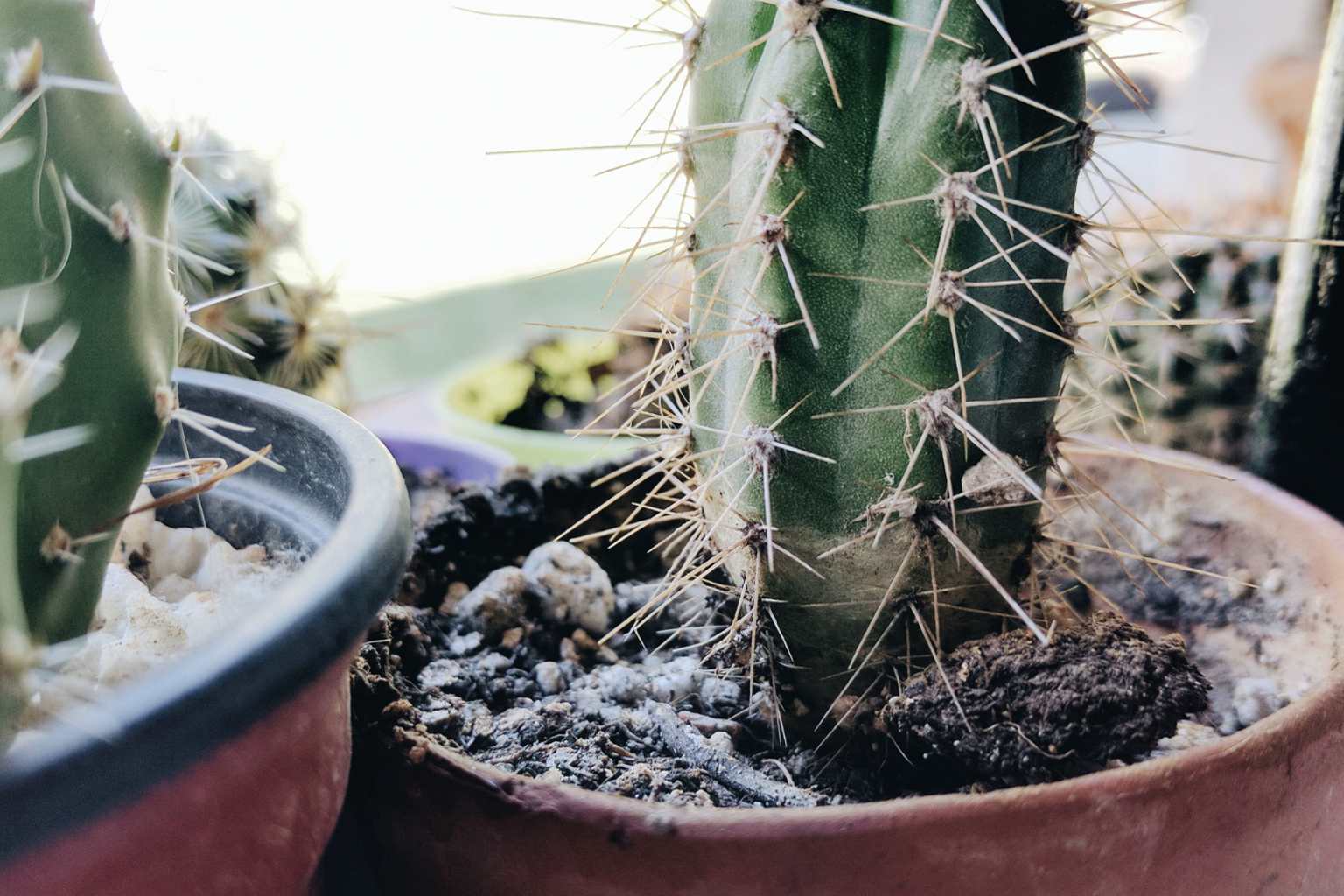
Mold on plants can be a stubborn and unwelcome guest in any indoor garden. Whether you’re a seasoned plant parent or new to houseplants, spotting and dealing with mold on the soil of your potted plants is a challenge most of us face at some point. But worry not—understanding what mold looks like and how to stop it can save your plants and keep your indoor air fresh.
Let’s explore everything you need to know about mold growth, how to recognize different types of mold, prevent it, and how to safely get rid of it before it causes damage.
What mold is and why it grows on plant soil
Mold is a type of fungus composed of tiny spores that float invisibly through the air. These spores are everywhere—on most surfaces and indoors, too. Normally, their presence in small amounts is harmless, but problems arise when mold begins to visibly grow on the soil of your indoor plants.
The rich organic material in potting soil provides an ideal food source for mold spores. When combined with the typical conditions inside homes—consistent warmth, moisture from watering, and oxygen—mold spores find a perfect setup to thrive and multiply.
Having mold growing on your plant’s soil can lower the air quality inside your home. This is especially concerning if anyone in your household has allergies or respiratory sensitivities. Mold spores in high concentrations can trigger respiratory issues in both humans and pets.
How to recognize different types of mold on plants
Early identification can help you tackle mold before it harms your plants. Mold comes in several common varieties, each with distinct appearances.
White mold looks like a thin fuzz or cotton-like layer of white fluff on the soil surface. It usually appears when the soil is consistently moist and not well ventilated. Though often harmless to humans and plants, it’s a sign your watering or airflow needs adjusting.
Sooty mold appears as black or dark green soot-like patches on the base of the plant or on the soil. It often indicates your plant is hosting sap-sucking insects called scale insects. These insects excrete a sticky substance called honeydew that allows this sooty mold to form. While it doesn’t directly harm plants, it can block sunlight and weaken photosynthesis over time.
Gray mold is composed of dusty gray spores and usually develops near open wounds or dying tissues on the plant. This type spreads rapidly, causing tissue decay and potentially killing the plant if untreated.
Powdery mildew, also known as oidium, forms a white powdery coating over leaves and stems, resembling a dusting of flour. It can eventually darken and spread onto the soil, disrupting photosynthesis and stunting plant growth.
Simple ways to prevent mold growth on your plants
The best strategy against mold is prevention. You can protect your plants and home with a few thoughtful habits.
Avoid overwatering your plants; letting soil dry partially between waterings discourages mold. Good air circulation is crucial, so place plants where air can move freely around them. Natural light, even indirect, helps regulate moisture and keeps mold at bay.
Choosing well-draining potting soil and keeping pots and trays clean also help reduce mold growth.
Proven methods to eliminate mold from plant soil
If mold makes an appearance, don’t panic—there are straightforward ways to tackle the issue.
For white mold, start by moving your plant outdoors for a day or two if possible, to get fresh air and sunlight. Be sure to bring the plant back inside if temperatures drop too low at night. Sunlight and open air can be powerful allies against mold.
If bringing plants outside isn’t an option or mold persists, carefully scrape off the moldy soil surface with a spoon or spatula while wearing a mask to avoid inhaling spores. Dispose of the contaminated soil in a sealed bag.
For mold on plant leaves, gently wipe affected areas with a soft cloth dipped in diluted dish soap. After removing surface mold, treating the soil and roots with a fungicide can help prevent regrowth.
In cases of sooty mold, treating the insect infestation first is key. Remove scale insects manually using a cotton swab soaked in rubbing alcohol or apply insecticidal soap or neem oil for severe infestations. Once pests are controlled, clean the sooty mold off leaves with a damp cloth or gentle soap solution.
When gray mold appears, isolate the plant to protect others. Prune away all affected and dead tissue with sterilized scissors, and discard these clippings promptly. Then apply a copper-based or organic fungicide following label instructions, reapplying every one to two weeks until the mold clears.
To manage powdery mildew, remove infected leaves and spray plants with a baking soda solution—one teaspoon baking soda per quart of water—or use a sulfur-based fungicide. Quick action helps stop this fungus from spreading.
When to re-pot plants to combat mold
Sometimes the mold problem is so persistent that re-potting is the best solution. Use a clean, sterilized pot and fresh, high-quality soil to break the mold’s cycle.
Old pots can be disinfected by soaking them in a solution of nine parts water to one part bleach, then rinsing thoroughly. Always discard any moldy soil and don’t reuse it.
From personal experience, I struggled for months with mold on my fiddle leaf fig until I took the plunge to re-pot it. The fresh soil and cleaned pot gave the plant a second chance and stopped mold for good. It reminded me how sometimes we need to start fresh to save what we love.
Dealing with mold on indoor plants can be tricky, but with the right knowledge, you can keep your green friends healthy and your living spaces fresh. Have you faced mold on your plants? What did you do to fix it? Share your tips, questions, or stories in the comments below. Let’s learn from each other and keep our homes thriving with beautiful, mold-free plants!