


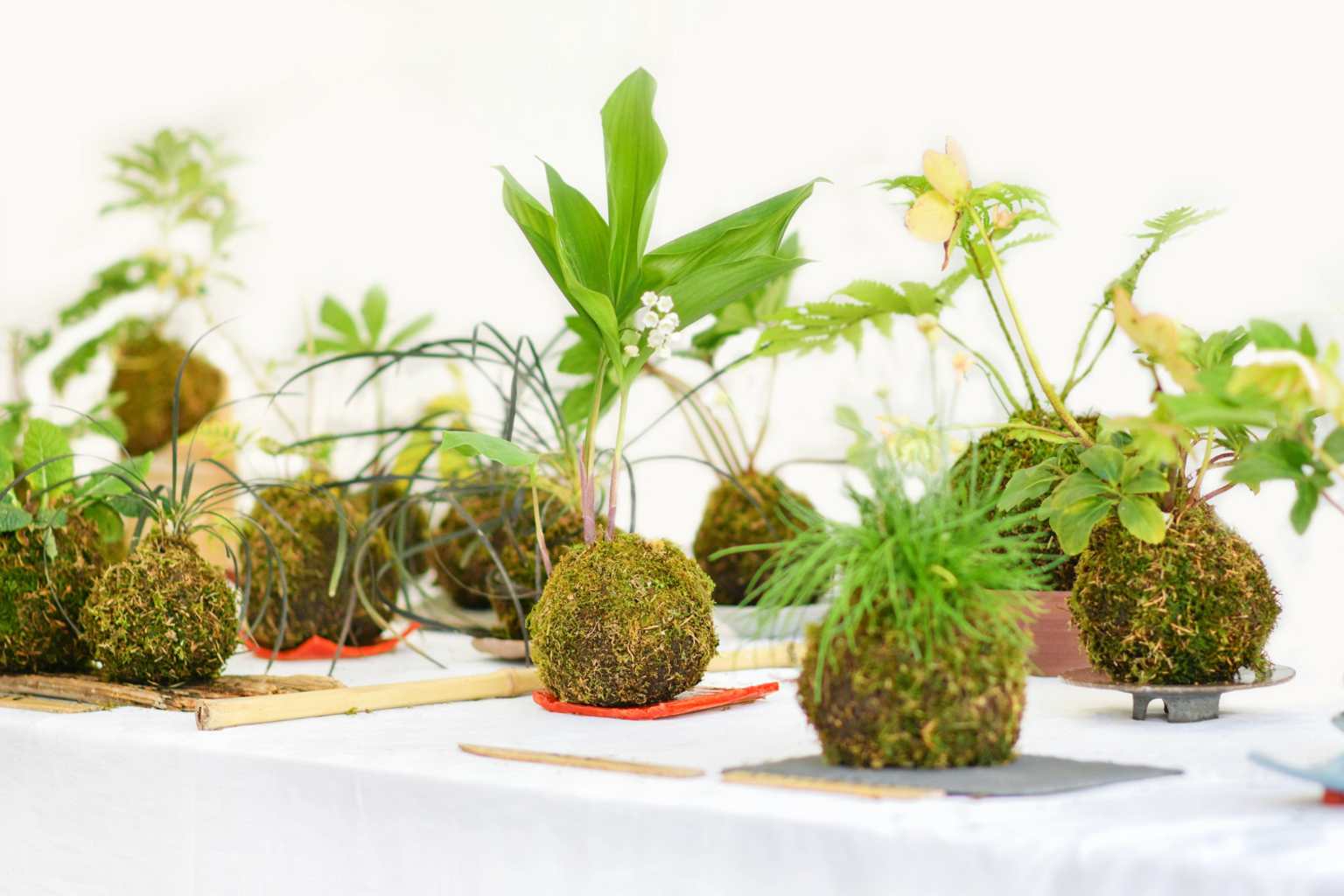
Imagine transforming your home into a lush, living gallery without using a single traditional pot. Welcome to the world of kokedama, a captivating Japanese gardening technique that wraps your plant’s roots in a ball of soil and moss. It’s not just gardening—it’s an art form that brings a fresh, minimalist vibe to any space and allows you to craft a truly unique green centerpiece.
Whether you’re a seasoned plant lover or a curious beginner, making your own kokedama is easier than it sounds. More than that, there’s something deeply satisfying about hanging a plant you’ve made with your own hands, turning nature itself into a personal creation.
What is Kokedama and why it matters
Kokedama, which translates to “moss ball,” is an ancient Japanese method where plants grow in a spherical ball of soil wrapped in moss instead of a pot. These beautiful spheres can be displayed on trays or suspended with twine, creating stunning hanging gardens that bring a fresh, natural energy to your home décor.
The technique blends the elegance of bonsai and the earthy charm of moss to create tiny living sculptures. Ditching the bulky pots gives your plants freedom and adds a poetic, organic feel to your environment.
When I first tried making a kokedama, I used a small fern. It was a little messy, and shaping the soil ball took some practice. But once it hung by my window, it felt like a gentle reminder of patience and nature’s quiet magic. That first success changed how I relate to plants—more hands-on, more alive.
How to make your own Kokedama step by step
Here’s a simple guide to creating your own kokedama:
1. Start by gently removing your plant from its pot. Carefully shake off or wash away the soil, leaving just the roots exposed.
2. Mix some garden soil with a fistful of pumice or lightweight aggregate in a bowl. Slowly add water as you knead until you get a damp, moldable mix.
3. Shape this soil mixture into a firm ball. Squeeze it gently to drain any extra water.
4. Split the ball into two halves and nestle your plant’s roots inside. If the roots are too long, trim them with scissors sterilized with rubbing alcohol for safety.
5. Press the soil ball back together and compress it well so the roots are snug inside.
6. Soak some moss in water, then wring it out to remove excess moisture. Wrap the moss around the soil ball, covering it completely.
7. Secure everything by wrapping cotton string or twine around the ball several times. Make sure the moss stays tight and the soil won’t crumble.
8. Finally, decide how you want to display your kokedama: either lay it on a small dish or hang it using twine tied into a sturdy loop.
Caring for your Kokedama at home
Taking care of a kokedama is a little different from traditional pots, but it’s straightforward once you know the routine:
– To water, submerge the whole moss ball in a bucket of water for about five minutes whenever it feels light or dry to the touch. Let it drain completely before returning it to its spot.
– Avoid hanging the kokedama over rugs or wooden surfaces to protect them from dripping moisture.
– Mist the moss regularly with a spray bottle to keep it green and moist. This helps prevent the moss from drying out or darkening.
– Feed your plant by mixing liquid fertilizer into the soaking water during watering sessions. Frequency depends on your plant’s specific needs.
– Place your kokedama in a spot with indirect sunlight or partial shade. Direct sunlight can dry out the moss quickly and harm the roots.
Which plants work best for Kokedama
Almost any plant can adapt to a kokedama—from delicate orchids to hardy succulents. But for beginners, smaller or medium-sized plants are definitely easier to work with and maintain.
The key is stability because the plant’s weight rests solely on the mossy soil ball. Larger plants, or those with heavy, drooping branches, can unbalance the kokedama, making it prone to falling apart. Starting with compact ferns, small herbs, or miniature tropical species is a smart way to build confidence.
Why handmade greenery enriches your life
There’s an extraordinary feeling in creating something living by hand. The process of shaping soil, wrapping moss, and cradling a plant into a perfect form encourages mindfulness and patience. It’s like a moment of calm in a busy day—a chance to connect more personally with nature.
Plus, displaying your kokedama in your home adds a touch of artfulness and life that’s hard to achieve with typical pots. It invites curiosity, sparks conversations, and turns your plants into living décor that’s ever-changing.
Have you ever tried making a plant arrangement that broke the mold? Or maybe you’ve grown curious about kokedama and want to give it a shot? Share your thoughts and experiences—I’d love to hear how you bring nature’s beauty into your home in your own unique way!