


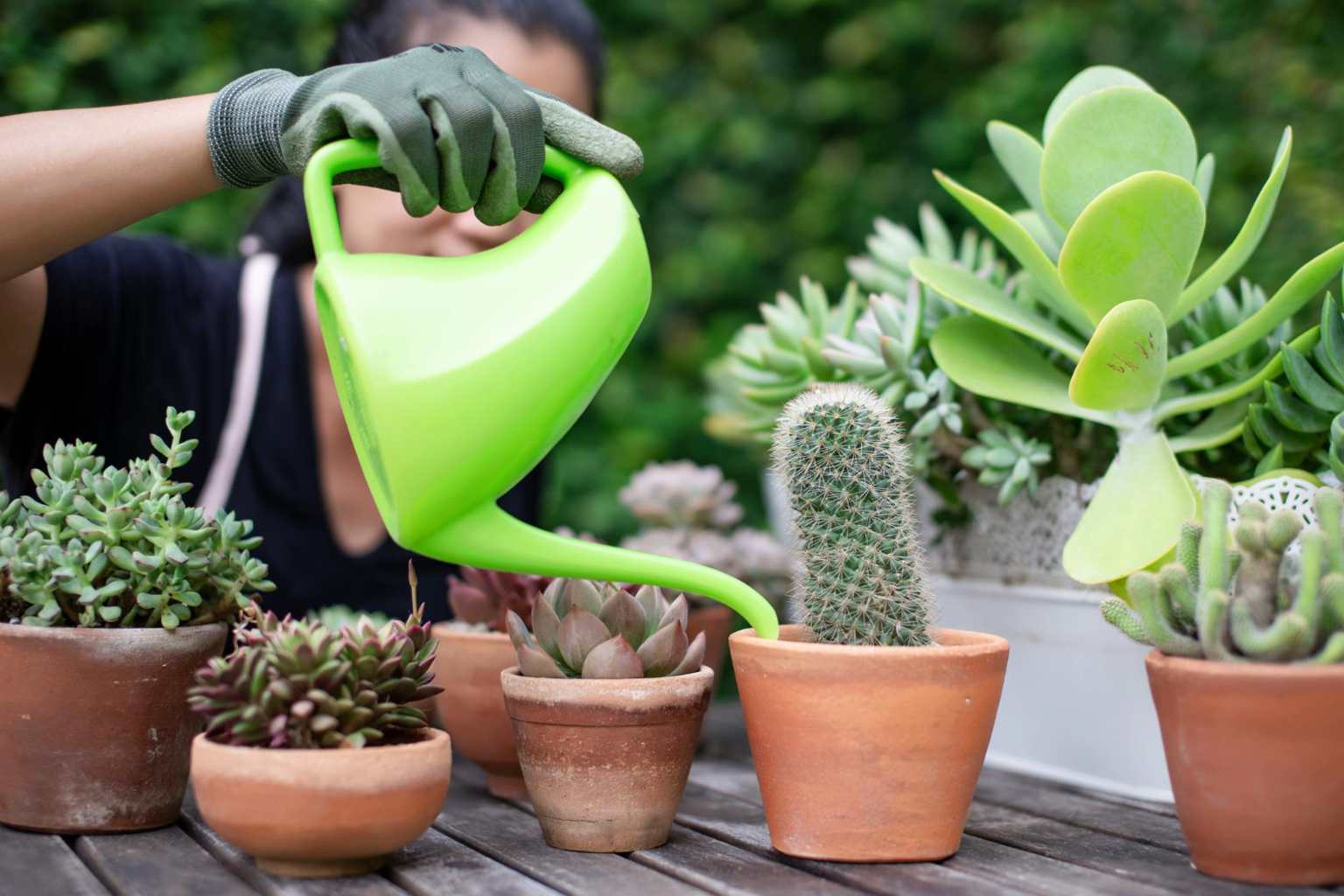
Succulents are charming and resilient, yet watering them correctly can be a tricky balancing act. Too little water leaves them parched and weak, while too much can cause root rot and other problems. If you’ve ever wondered how to keep your succulent plants thriving with just the right amount of hydration, this guide is for you.
Understanding the delicate needs of these plants is a game-changer. Let’s dive into all you need to know about how to water succulents properly to keep them healthy indoors or outdoors.
How succulents absorb water and why it matters
Succulents store water in their leaves and stems, which makes them drought-tolerant but not impervious to thirst. The secret to watering them well is to give them a deep soak that moistens the entire root zone, but to do this sparingly. Succulents thrive when allowed to dry out completely between waterings.
During the dry spells, these plants respond by growing new roots that stretch out in search of moisture. These strong, healthy roots help the plant survive extended dry periods, essentially building the succulent’s resilience.
It’s also important to recognize that succulents go through a growth phase and a resting phase. When actively growing, they require more water; during their dormant periods, like in winter, they need less. Plus, their environment plays a huge role—succulents growing indoors will have different water needs compared to those outside in the sun.
Why deep watering beats watering little and often
It’s tempting to mist your succulents or give them a light sprinkling often, but this is actually less effective. Instead, aim to water your succulent thoroughly but infrequently. When watering, soak the soil until the water runs freely from the drainage holes of the pot.
This practice ensures moisture reaches all the roots deeply, encouraging robust root development. After watering, be sure to empty any water that collects in the plant’s saucer or tray to avoid soggy roots.
Waiting for the soil to dry fully before watering again is crucial. Check a week after watering—if the soil still feels damp, hold off. In winter, watering may be needed as infrequently as once a month depending on your local climate. The size of the pot also affects watering; smaller pots dry out faster and might need watering more often.
Adjusting watering for sun exposure and outdoor conditions
When summer arrives, many move their succulents outdoors to soak up the sun. Succulents love sunlight, but shifting them outdoors abruptly can scorch their leaves. To prevent sun damage, start by placing them in a shaded spot, gradually increasing their sun exposure over several days.
Keep them out of direct sunlight during the hottest midday hours, as intense sun can harm young or sensitive plants.
Outdoor succulents often require more frequent watering than indoor ones because of the hotter, drier conditions. Plants in shallow containers especially may need water as often as every 5 to 7 days during hot months.
Remember that local weather and humidity greatly influence watering frequency. If the top couple of inches of soil feel dry, it’s likely time for another watering.
The dangers of misting your succulents
Many people new to succulents think that using a spray bottle to mist them regularly is adequate. However, this approach waters only the surface and leaves. It doesn’t provide the deep hydration roots need, leading to weak root systems.
With weak roots, succulents can’t store enough water to survive even short dry spells. This means if you miss watering a few days, your plant could suffer or even die.
To promote strong roots and long-term survival, avoid misting as a main watering method. Instead, give your succulent’s soil a good soak down to the roots.
Personal lessons learned watering succulents
When I first brought succulents into my home, I made the mistake of watering them lightly every few days—mostly misting them, thinking that less was better. Despite my efforts, several plants began to wilt and their roots rotted.
It took shifting to a method of giving a thorough watering, then waiting patiently for the soil to dry, to see real improvement. My succulents quickly bounced back, showing lush, plump leaves and even producing new offsets.
This experience taught me patience and the importance of paying attention to each plant’s natural growth cycle and environment. Succulents remind us that sometimes, less frequent but meaningful care leads to stronger, healthier results.
What’s been your experience with watering succulents? Have you found any tips or tricks that keep your plants happy and thriving? Share your thoughts, stories, or questions below—and don’t hesitate to pass this guide to fellow succulent lovers who might need it!