


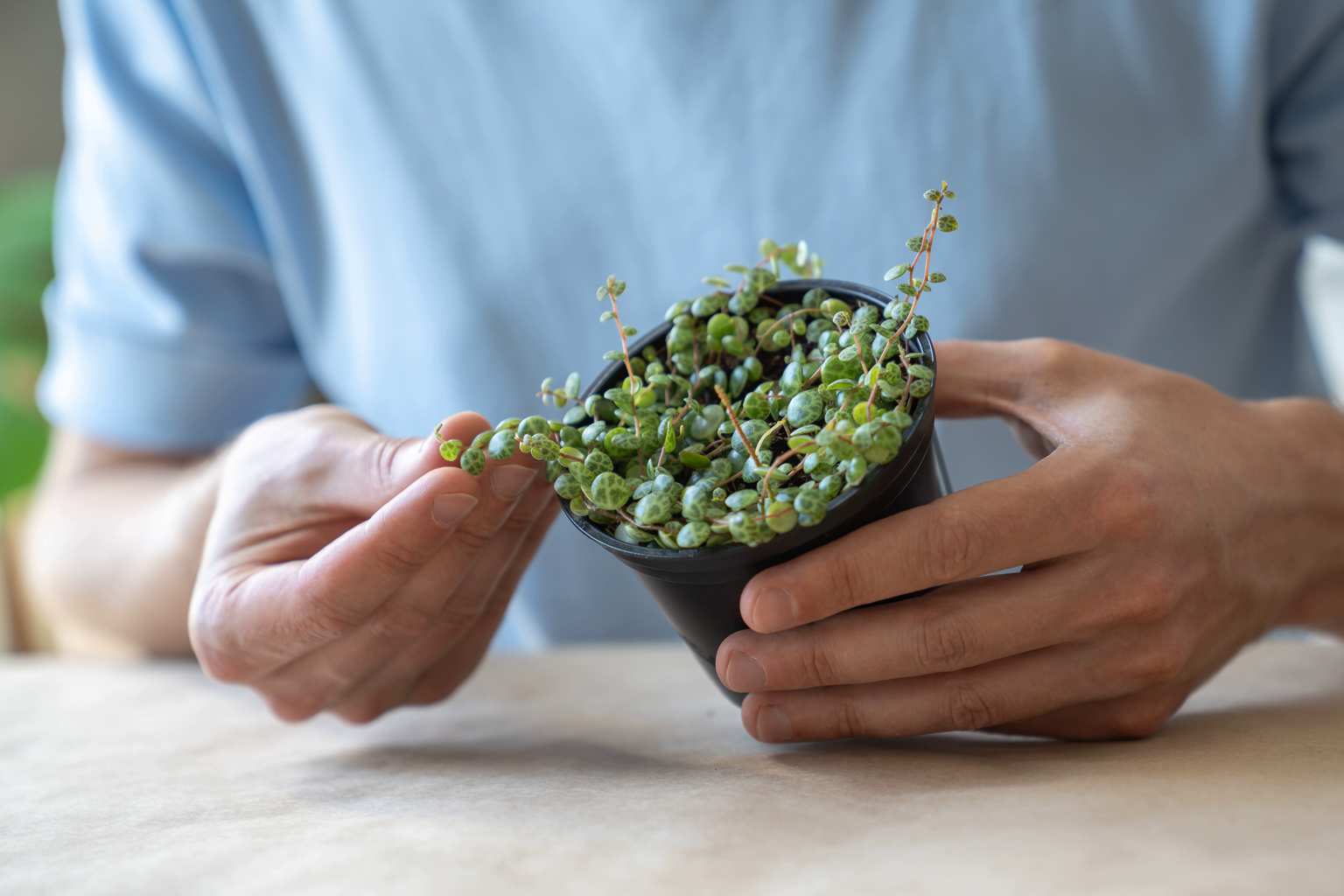
Sometimes the love for your plants can lead to unforeseen troubles. If your peperomia is looking limp, with yellowing leaves and soggy soil, root rot might be the culprit. But don’t give up on your leafy companion just yet—there’s hope for recovery with some careful care.
Why root rot happens in peperomia
Root rot is a common enemy for indoor gardeners, especially with plants like peperomia that prefer a perfectly balanced watering routine. When you water too much, the soil becomes saturated and lacks oxygen. Roots can’t breathe underwater, and they slowly drown and decay under these conditions.
This fungal invasion spreads quickly, turning roots black and spongy. The fungus thrives in the moist environment created by constant watering, so even the most attentive plant owners can fall into this trap without realizing it.
Recognizing root rot early on
Identifying the problem quickly can make all the difference. The first sign is usually the drooping or yellowing leaves that seem to lose their vitality. Your peperomia’s roots are no longer able to absorb water, nutrients, or oxygen effectively.
Gently remove your plant from its pot and take a closer look at the roots. Healthy roots are firm, light-colored, and springy to the touch. In contrast, roots affected by rot are black and mushy, often breaking off with a gentle touch. Finding some healthy roots is a good indicator your plant still has a chance.
Watering tips to keep your peperomia healthy
Peperomia plants are often praised for being low-maintenance, but the key lies in a smart watering routine. They don’t need frequent watering; instead, they thrive when the soil is allowed to dry out.
The best rule of thumb is to only water when the top inch of soil feels completely dry. I learned this the hard way after impatiently watering my peperomia every few days, which unfortunately ended with root rot. Since switching to less frequent watering, my plant’s health has improved dramatically.
Steps to save a peperomia with root rot
If your peperomia already shows signs of root rot, act promptly. First, carefully take the plant out of its pot and rinse the roots under cool running water to clean off any softened soil.
Use clean, sharp scissors to prune away all the black, soft roots. Don’t hesitate to remove large portions if they’re affected; only keep the healthy, firm roots. Next, trim some of the leaves to reduce the plant’s energy demands during recovery.
It’s essential to clean the pot thoroughly, or better yet, use a new one. Washing with a diluted bleach solution helps eliminate lingering fungi that could cause reinfection.
Caring for your plant after treatment
Once repotted in fresh, well-draining soil, your peperomia will be vulnerable. Handle gently because the damaged roots are fragile. Make sure the soil drains well to prevent water from pooling, which could restart the rot.
Avoid fertilizing until you see clear signs of new growth; giving fertilizer too early may stress the recovering roots. Watch your plant closely for any signs of returning infection or continued decline. Root rot is persistent if even a small patch of infected roots remains or if watering habits don’t improve.
—
I remember rescuing a struggling peperomia from root rot, which required patience and care. Watching those first fresh leaves emerge after weeks of nurturing felt like a small victory. Have you ever dealt with root rot in your plant family? What helped you bring yours back? Share your experiences and tips with us—the best advice comes from fellow plant lovers!