


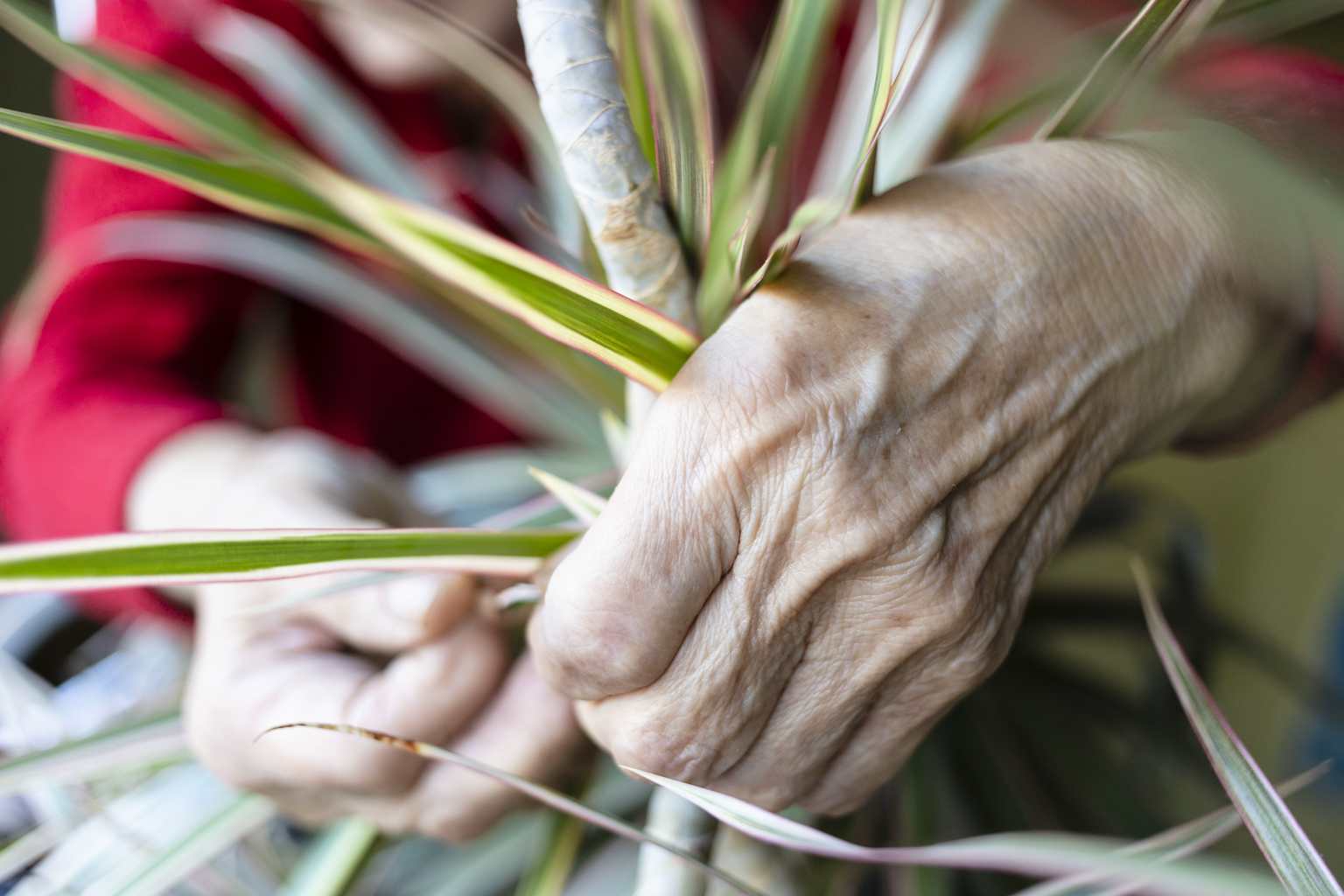
Dracaena plants are not only stunning but also remarkably easy to cultivate. If you’ve ever wanted to expand your collection or share these beautiful plants with friends, multiplying your dracaena is a simple, rewarding process. Forget waiting years for seeds to sprout—there’s a much faster way to grow new plants that look exactly like your original dracaena.
Propagation, or multiplication, is all about creating new plants from parts of an existing one. While it’s possible to grow dracaena from seeds, this method is slow and uncertain. Often, the plants grown from seed won’t closely resemble the mother plant. Thankfully, dracaena propagation using cuttings gives you a perfect clone and takes just weeks.
Simple methods for propagating dracaena
The easiest way to multiply your dracaena is by taking cuttings. There are two popular techniques: using apical cuttings (from the top of the plant) and stem cuttings (from the woody parts of the plant’s stem). Both methods are effective, so your choice depends on how many new plants you want and how you prefer to work.
I remember the first time I tried this: clipping off a healthy dracaena tip, dropping it into a glass of water, and waiting. Within less than a month, delicate white roots appeared. That moment of seeing life grow from a small cutting was deeply satisfying and connected me more with my plants.
How to propagate dracaena using apical cuttings
Apical cuttings come from the very top of the dracaena. When you snip the tip, be sure to include the leafy tuft. It might feel strange to cut off the plant’s crown, but don’t worry—the parent plant will quickly produce new growth below the cut.
To take an apical cutting, use clean scissors or pruning shears and cut just below a set of leaves, leaving about 2–2.5 inches of stem attached. You can either plant the cutting directly into moist soil or place it in a jar of clean water.
Rooting in water usually happens fast, with new roots showing up around 20 days later. When the roots are a few inches long, transfer the cutting to a pot with rich soil and continue caring for your new plant.
Multiplying dracaena with stem cuttings
If you’re looking to produce several dracaena plants at once, stem cuttings are your best bet. After harvesting the apical cutting, cut the main woody stem into sections about 6 to 8 inches long. Keep track of the upper and lower ends, since roots will only develop from the lower part.
These stem pieces can be stuck into soil or placed in water to root. Make sure to keep them in a warm spot that receives indirect sunlight—this is crucial for healthy root growth. For an extra advantage, dip the cut ends in rooting hormone powder before planting to speed up the rooting process.
Why propagating dracaena makes your indoor garden thrive
Growing your own plants from cuttings is more than saving money—it’s about cultivating patience and nurturing something living. Every time I watch a new root burst from a cutting, I’m reminded how small, steady care leads to wonderful growth.
Propagation also creates perfect gifts. Sharing a dracaena clone with a friend spreads life and beauty in an honestly meaningful way. If you’ve ever wanted to refresh your greenery without rushing to a nursery, this technique offers a smart, satisfying solution.
Essential tips for successful dracaena propagation
Start with a healthy parent plant to ensure your cuttings are vigorous and ready to root. Always use sharp, clean blades to avoid injuring the stem, and keep the cuttings in a warm environment with consistent moisture.
If planting cuttings in soil, mix in some perlite or sand to aid drainage and prevent mold or root rot. Check on your cuttings every few days, ensuring the soil never dries out completely.
Patience is vital. Roots won’t always sprout immediately, but with steady care, you’ll soon have thriving new plants to enjoy.
Multiplying your dracaena is a gratifying way to grow your indoor garden organically. Have you experimented with dracaena cuttings? What was your experience? Share your stories, questions, or advice—we’d love to hear from you! And feel free to pass this guide along to other plant lovers eager to multiply their greenery.