


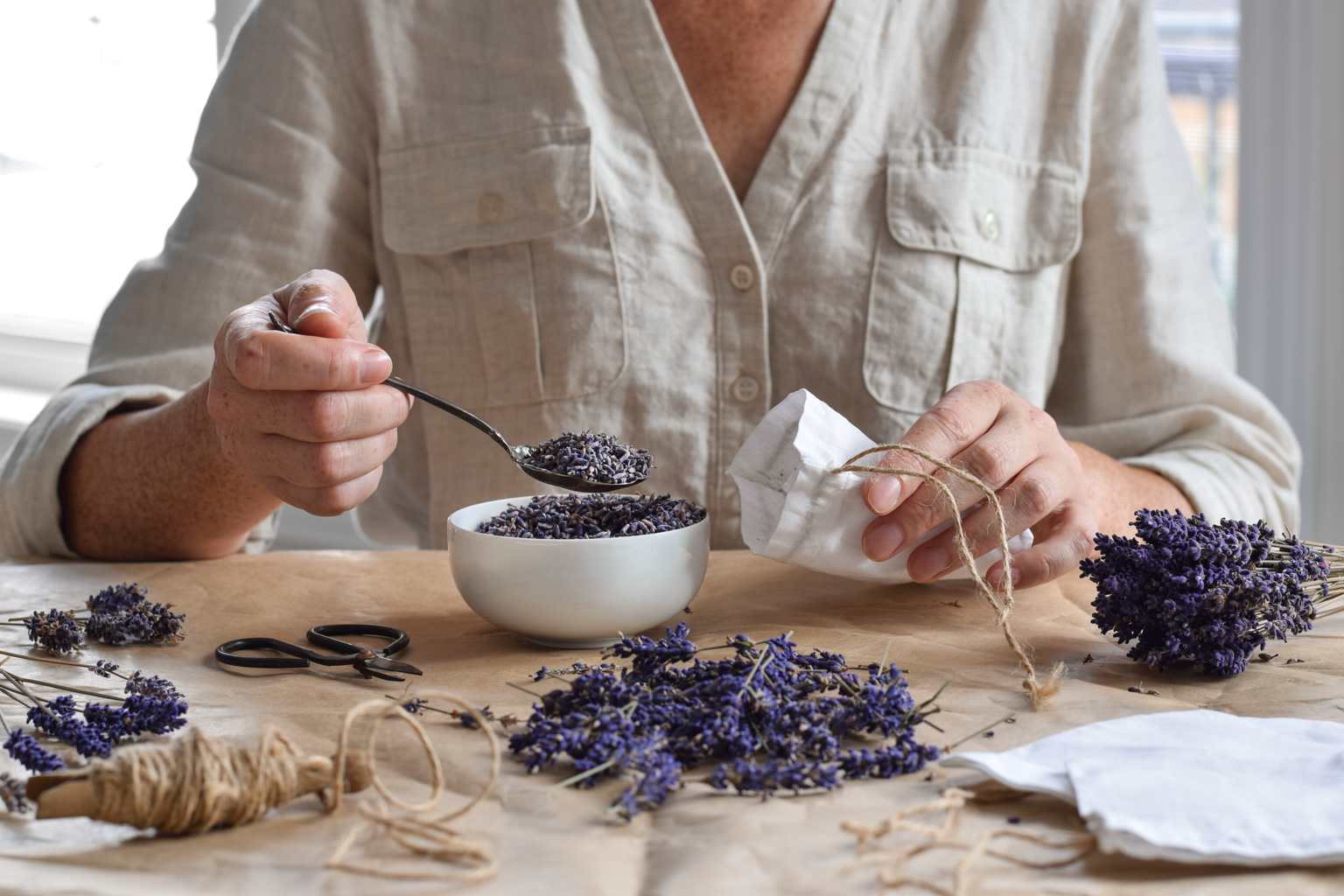
Lavender is a garden favorite, loved for its soothing scent and beautiful purple blooms. But if you’ve ever pruned your lavender plant, you might wonder what to do with all those fragrant flower bunches. Drying lavender is a simple and rewarding way to preserve its lovely aroma, and once dried, the possibilities for using it are endless.
When is the best time to harvest lavender flowers
Lavender grows vigorously, and if not regularly trimmed, its stems get long and leggy, causing the bush to lose its shape. The secret to getting the most fragrant lavender flowers is harvesting them at just the right moment: the beginning of their blooming phase.
This is when the purple buds are still closed, and just a few tiny pink flowers begin to open. Early harvest means you capture the highest concentration of essential oils, giving the flowers a stronger scent. Fully opened lavender flowers, while visually striking, actually hold less fragrance because the oils diminish as the flower ages.
Timing matters too. The best time of day to cut lavender is in the early morning, shortly after dawn. The cool nighttime air helps the flowers retain their precious oils. On the other hand, flowers cut later in the day lose some of their aroma under the sun’s warmth.
How to dry lavender flowers the easy way
After gathering your fresh lavender stems, it’s time to dry them. Start by bundling 8 or 10 stems together with twine or a rubber band, leaving a few inches of stem to hold onto. Smaller bunches dry more evenly and prevent mold better than bulky bouquets.
Hang the bundles upside down in a warm, dry area with good airflow. Ideal spots include an open window or near a fan. Avoid direct sunlight because it fades the vibrant purple color. The drying process usually takes about two weeks.
You’ll know the lavender is fully dry when the stems snap instead of bending. Proper drying locks in that rich, calming scent and preserves the flowers’ color, so patience here pays off.
Creative ways to use dried lavender
Dried lavender isn’t just for pretty bouquets. It has countless practical and decorative uses in your home.
One classic favorite is creating small scented sachets that you can tuck into closets, drawers, or even your car. They release that soothing lavender fragrance and help repel unwanted pests like moths.
If you enjoy aromatherapy, dried lavender can be infused into oils or added to bath salts for a relaxing, natural boost.
Another clever idea is to use dried lavender as mulch or compost for your potted plants. It enriches the soil and helps keep insects away.
For flower lovers, keeping a handful of dried buds intact on the stem makes for stunning, rustic floral arrangements that brighten up any room.
Lessons from drying lavender at home
I still remember my first attempt at drying lavender. I was eager, but I bundled too many stems into one large bunch. After a few days, some flowers started to look damp and smelled musty, which was disappointing.
That experience taught me a valuable lesson: air circulation is key. Now, I always hang small bunches spaced apart, ensuring plenty of airflow. Also, choosing a dark, well-ventilated spot protects the flowers from fading and speeds up drying.
Waiting those full two weeks makes a big difference. The result is beautifully fragrant lavender that lasts for months and fills my home with calm and warmth.
Tips to keep your dried lavender fresh and fragrant
Once dried, store your lavender away from sunlight and humidity to keep its scent strong. Airtight glass jars or cloth bags work best for long-term storage.
If your dried lavender ever loses some of its aroma, a few drops of pure lavender essential oil can revive the fragrance wonderfully.
Don’t hesitate to experiment by adding dried lavender to homemade candles, potpourri, or linen drawers. It’s a simple way to enjoy nature’s calming influence every day.
Drying lavender connects you to the season and nature’s rhythms. The process is soothing and the result—luxurious, long-lasting fragrance—is truly worth the effort.
Have you tried drying lavender yourself? What’s your favorite use for these fragrant flowers? Share your stories and ideas in the comments and let’s celebrate the magic of lavender together!