


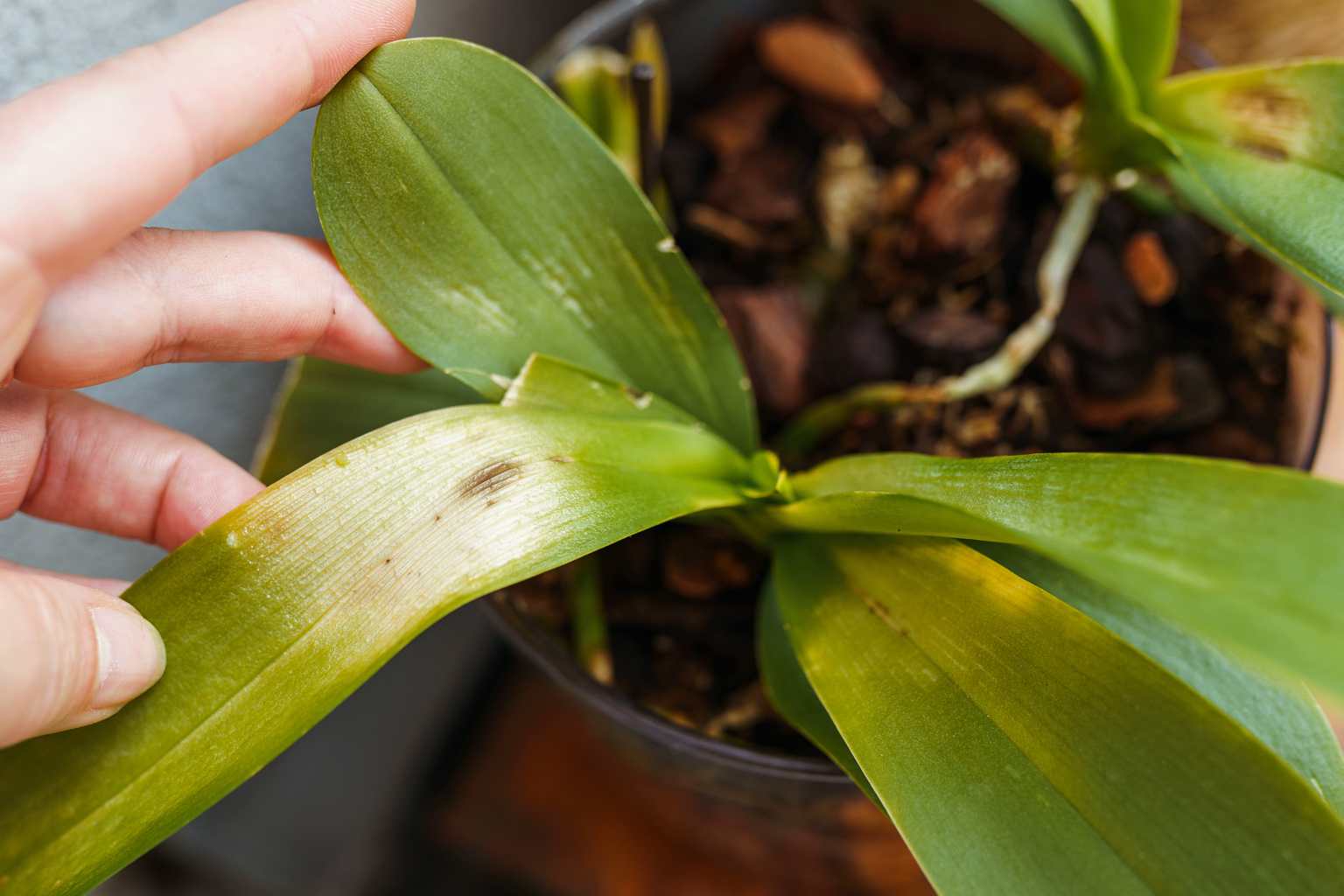
Taking care of your orchid when it’s not blooming can seem challenging at first, but with the right approach, it’s actually quite simple and rewarding. The months when your orchid has no flowers, often the coldest part of the year, require special attention to ensure your plant stays healthy and ready to bloom again.
Understanding the orchid’s resting phase
The period when an orchid has no flowers typically coincides with the colder months of the year. During this time, daylight fades, days grow shorter and grayer, and your orchid’s growth slows down naturally.
One tip to help your orchid thrive is to place it near a window where it can soak up more natural light. Just be careful to avoid spots with sudden temperature shifts, such as drafts from frequently opened windows. The cooler air can stress the plant if it’s exposed abruptly.
Believe it or not, gentle direct sunlight during this period won’t harm the leaves. The sun’s rays aren’t strong enough to burn them like in summer, so it’s actually beneficial in boosting your orchid’s energy.
Adjust watering to colder weather
During the cold months, both the orchid’s roots and the soil dry out much more slowly. This means you should reduce watering to avoid over-saturating the roots, which could cause rotting.
A neat trick to know exactly when your orchid needs water is to observe the color of its roots. Orchids have a special outer layer called the velamen. When it’s moist, the roots look bright green; when dry, they turn a pale gray.
So, if you see bright green roots, hold off on watering. But when the roots appear grayish, that signals it’s time to water the plant again. When you do, use lukewarm water and avoid splashing water on the collar where leaves meet the stem—this helps prevent disease.
Refresh the substrate during dormancy
The materials that make up your orchid’s potting medium don’t last forever. Over time, they break down and lose their ability to drain well and feed your plant. The best time to replace the substrate is during the orchid’s resting phase, when it’s not blooming.
Carefully remove your orchid from its pot and gently shake off the old planting medium. Check the roots for any signs of damage—yellowed or mushy roots should be trimmed away with clean scissors. A home gardener’s secret weapon is dusting the roots with cinnamon powder, which acts as a natural disinfectant.
Use a fresh mix that drains well yet holds nutrients to support root recovery. This refresh gives your orchid the best chance to sprout healthy roots and bloom brightly in the future.
Prune flower stems to encourage blooms
Even when your orchid has no flowers, you might still see old flower stalks clinging to the plant. How you prune these can have a big impact on your next flowering season.
If you want to encourage quick blooms, make a clean cut on the stalk, leaving about two leaf nodes. Cut diagonally, and avoid misting the leaves right after — moisture on a fresh cut can cause rot.
Alternatively, wait about two weeks after the last flower drops, then remove the entire flower stalk. This will prompt the orchid to produce fewer, but larger, high-quality flowers on new stems.
Let the orchid guide your care
Orchids are great at signaling when and where to cut. If you just leave the spent flower stalk alone, it will gradually begin to yellow at the tip. When the yellowing stops, cut just before the yellowed node. This method protects the healthy parts of the plant and encourages robust flowering stems.
The new blooms might be slightly smaller, but they’re plentiful and often produce a beautiful display that rewards your patience and care.
Wisdom from personal experience
I’ll never forget the winter when my orchid lost all its flowers, leaving just a few dull leaves behind. At first, I thought it was dying. But then I learned these simple care tips—adjusting its spot by the window, watching the roots for watering signals, carefully refreshing the soil, and waiting patiently to prune the stems. The next spring, my orchid put on one of its best shows yet.
That taught me a crucial lesson: plants need care that matches their natural rhythms. Just like us, orchids thrive when we respect their resting time and help them recharge gently.
Do you have your own tips or stories about keeping orchids healthy when they aren’t blooming? Have you tried refreshing the substrate or new pruning methods? Share your thoughts below and let’s grow our orchid knowledge together!