


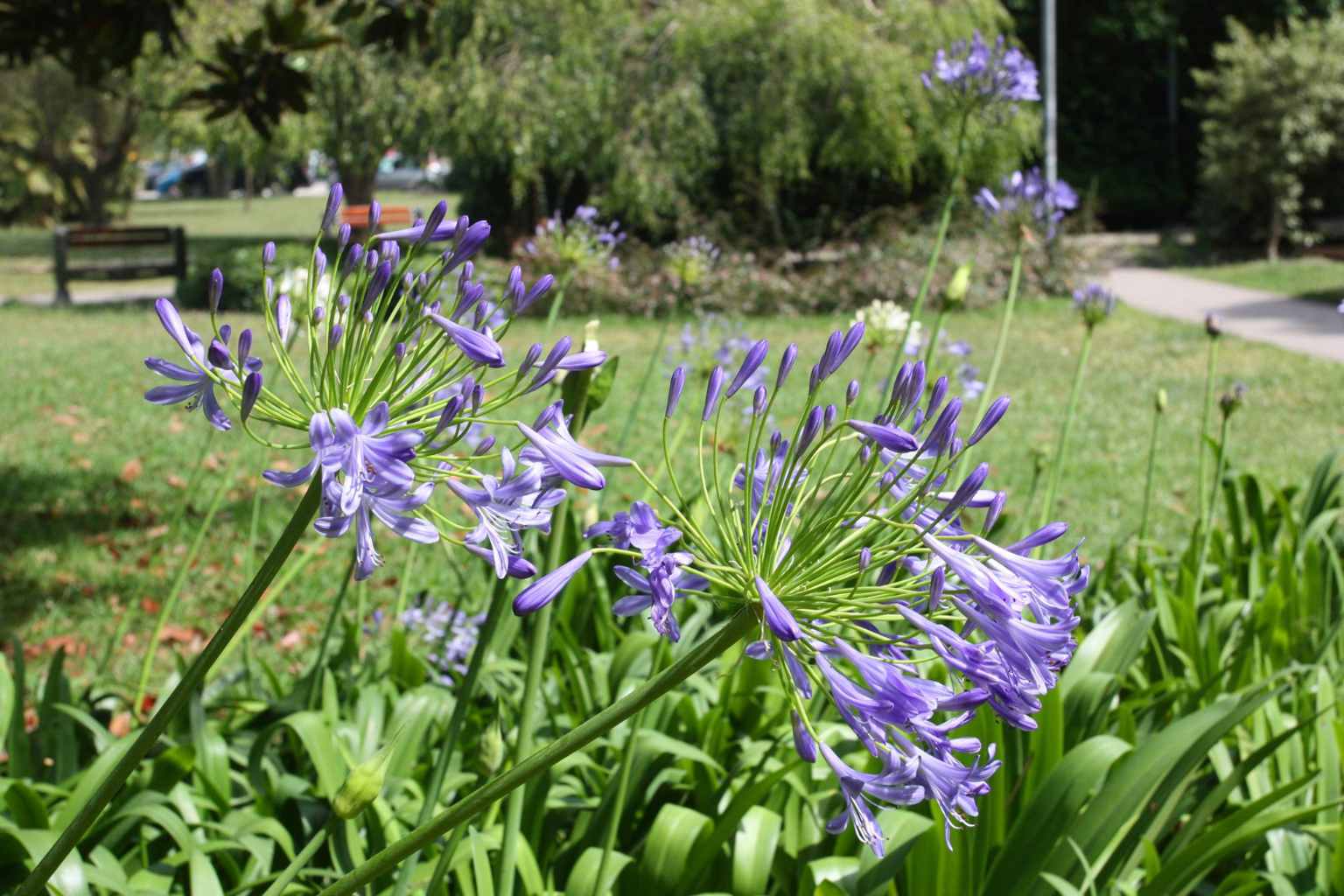
If your Agapanthus has been lighting up your garden all summer, don’t think the show is over just because September is here. In fact, this month is a make-or-break moment for your plants’ future blooms. A simple, caring gesture now can set the stage for a more spectacular display next year, transforming tired, fading flowers into vibrant promise.
Why September is a crucial month for Agapanthus
Those round clusters of blue or white blooms on your agapanthus might still look lively as summer wanes, but the plants are entering a vital phase. Beneath the surface, they’re preparing to shift into dormancy—a period of rest that’s essential for their long-term health.
If you leave the faded flowers alone, the plant wastes precious energy producing seeds, which are often sterile and serve no purpose. This energy drain weakens the plant unnecessarily. On the other hand, intervening in September allows your agapanthus to conserve energy and strengthen its roots, readying itself for the next blooming season.
A simple cut that changes everything
The key to keeping your agapanthus healthy and blooming? Cutting the faded flower stems right at the base. This quick action might seem minor, but it triggers a powerful response in the plant.
Known to gardeners as deadheading, this practice stops the plant from putting energy into seed production and redirects its resources to root development and preparing for new flowers. Botanists and horticulturists alike recommend it to boost next year’s flower abundance.
When you snip off the spent blooms, you’re not just tidying up—you’re engaging in a strategic act that encourages your agapanthus to flourish.
Common mistakes to avoid when caring for Agapanthus
While cutting back flower stems is essential, it’s not the whole story. Other care steps in September can dramatically influence the plant’s vitality and its ability to bloom vividly next summer.
Experts from institutions like the INRAE and Clemson University stress the importance of proper watering and feeding during this time. Too much water or neglecting nutrient needs can hamper the plant’s ability to survive the winter and emerge stronger in spring.
Taking care with moderate watering and adding the right fertilizer ensures your agapanthus gets the nutrients necessary for healthy root systems and new growth.
Invest now for a stunning summer display next year
If you’ve ever dreamed of a lush garden filled with blooming agapanthus in July, the time to act is September. Every faded stem you cut back and every thoughtful watering or feeding session is an investment in your garden’s future.
For me, this gardening ritual has become a cherished autumn routine. It’s rewarding to watch the plants retreat into dormancy and know I’ve given them the best chance to surprise me with a burst of more vigorous, radiant flowers the following year.
Care in this crucial month is like writing a quiet promise to your garden—a promise that the cycle of rest and regeneration will lead to vibrant growth and beauty.
By respecting this natural rhythm and giving your agapanthus the focused attention they need in September, you set the stage for a garden that keeps on blooming. Why not try deadheading your plants this month and see the difference for yourself?
Have you tried this simple yet effective tip? Share your experiences or ask questions below—I’d love to hear your thoughts on how September gardening has transformed your blooms!