


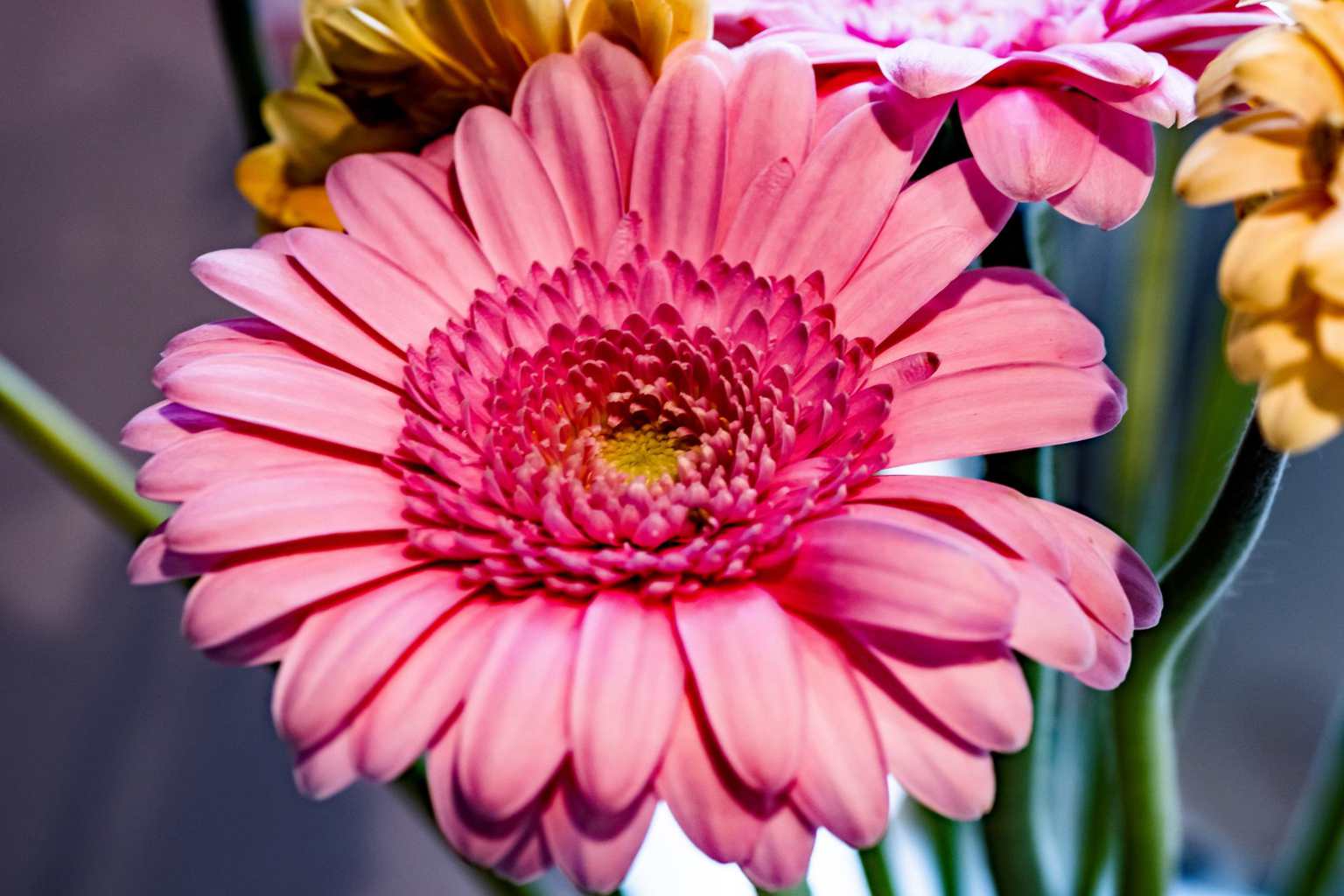
Gerbera plants are beloved for their vibrant, daisy-like flowers that can brighten any space. But what happens when your gerbera refuses to bloom? It’s a common frustration among gardeners, yet the solution often lies in simple care tweaks. If you’ve been wondering why your gerbera isn’t flowering, you’re about to discover practical tips that can get those beautiful blooms back in full swing.
Know the natural blooming season
The first step is understanding when gerberas typically bloom. These cheerful plants usually flower from late spring through early fall, roughly spanning from April or May all the way to autumn. Varieties might differ slightly, but during winter months, gerberas enter a resting phase and won’t produce flowers.
So, if you notice no blooms in the chilly season, that’s just nature taking its course. However, if your gerbera isn’t flowering during the warmer months, it’s time to check for other factors affecting its growth.
Feed your Gerbera for better flowering
A major reason behind a lack of flowers is often insufficient nutrients. Gerberas thrive on fertilizers rich in potassium, the mineral that plays a key role in flower development. Using a potassium-heavy fertilizer every two weeks during the growing season can help stimulate blooming and make flowers last longer.
I recall when my own gerbera was stubbornly bud-free until I started this feeding regimen. Within weeks, vibrant new buds appeared, proving just how powerful proper nutrition can be.
Water wisely to protect roots
Many gardeners unintentionally harm their gerbera by overwatering. Though these plants appreciate moist soil, waterlogged roots can quickly develop root rot, which severely hampers flowering or even kills the plant.
Make sure to water deeply but allow the soil to dry slightly between watering sessions. If your gerbera grows in a pot, always check that the drainage holes function well and avoid standing water in saucers below the pot.
I remember drowning a gerbera in my early gardening attempts, only to watch it wither helplessly—a humbling reminder that less can sometimes be more.
Manage light exposure for optimal blooms
Gerberas adore sunlight, but too much intense light can be harmful. Direct sun that lasts for more than 12 hours daily may burn delicate flower buds, preventing them from fully developing.
Try positioning your gerbera where it receives bright but filtered sunlight—morning sun or partial shade is perfect. Alternatively, use a larger plant or even a garden umbrella to create shade and protect your gerbera from harsh rays.
This balance ensures the plant gets enough light to thrive without losing buds to sun damage.
Choose the right pot size to encourage flowering
Believe it or not, having a pot that’s too large for your gerbera might stunt flowering. When the container is oversized, the plant often diverts its energy into growing new rhizomes rather than producing buds.
If you suspect your gerbera’s pot is too roomy, repot it into a smaller, more suitable container. Additionally, fertilizing with a fertilizer containing higher nitrogen levels can promote balanced growth between leaves and flowers.
Maintain warm temperatures for blooming
Gerberas are tropical plants, and warmth is crucial for their flowering. They flourish at temperatures above 72°F. When exposed to cooler surroundings below about 54°F, they enter vegetative dormancy and stop flowering.
If your gerbera is indoors in a chilly room, consider moving it somewhere warmer and sunnier. For outdoor plants, ensure they aren’t shaded excessively or placed in damp, cool areas that lower ambient temperature.
Keeping your gerbera in a cozy environment helps it channel energy into blossoming.
A personal touch on caring for gerberas
When I first got my gerbera, I was captivated by its cheerful colors but frustrated by the absence of flowers. I kept overwatering, neglected fertilizer, and placed it in harsh light. After adjusting those factors—less water, regular feeding, and partial shade—the plant responded quickly.
The experience taught me patience and attentiveness are key. Plants like gerberas bloom on their own timetable, and gentle care often unlocks their best display.
Try these tips and join the conversation
If your gerbera is still not blooming, don’t be discouraged. By fine-tuning watering, light, nutrients, pot size, and temperature, you’ll increase your chances of seeing those bright flowers soon.
Have you faced challenges with gerberas not flowering? Maybe you discovered a watering trick or found the perfect fertilizer? Share your stories and tips below—your insights might be exactly what another gardener needs to succeed!