


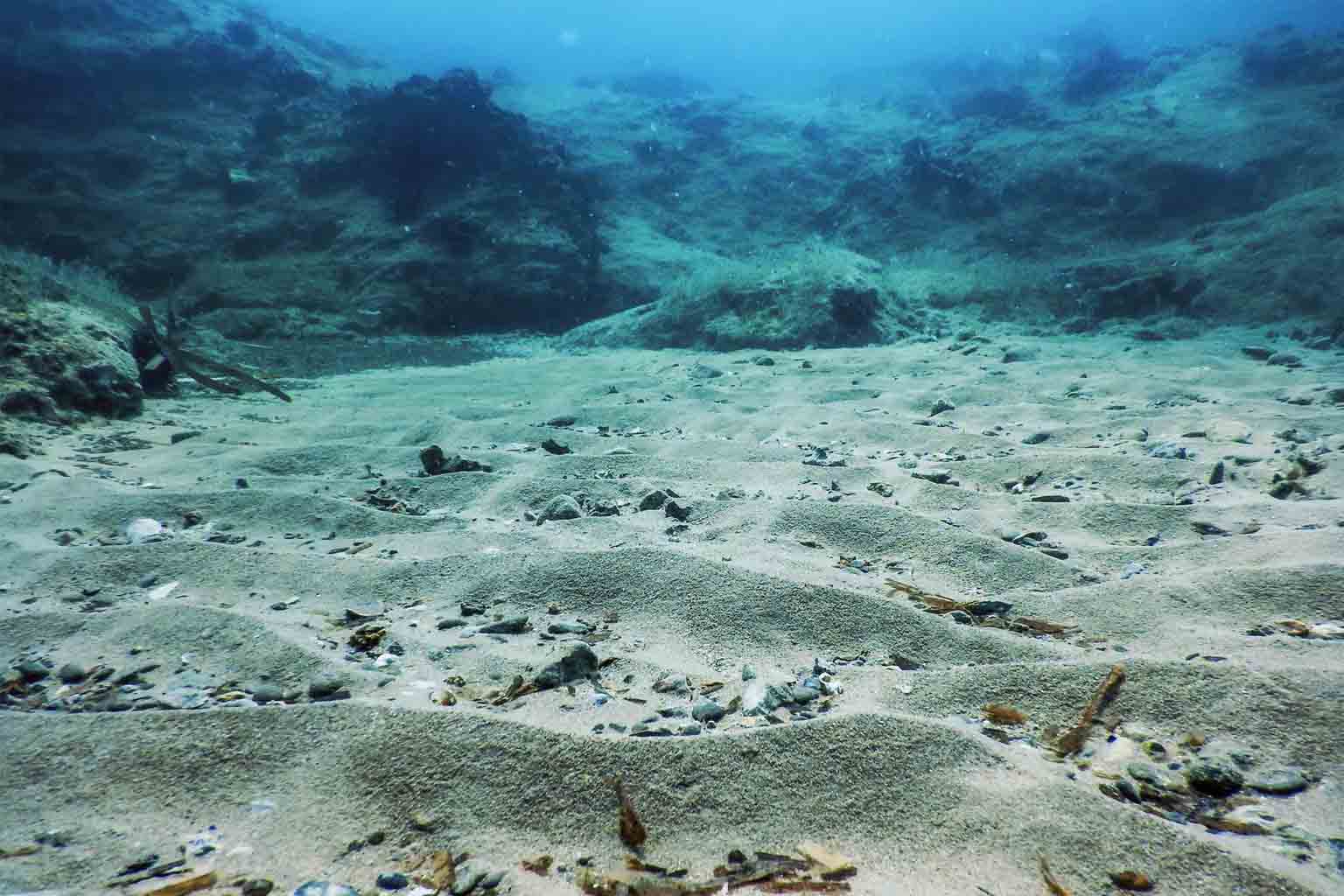
Shadows beneath the ice: ship anchors are silently destroying Antarctica’s fragile seafloor. Rare footage reveals scars carved into one of the planet’s last untouched marine habitats, raising urgent alarms about human impact on this remote wilderness.
Antarctica’s icy waters have long been seen as a pristine sanctuary, but the rising tide of human activity—from tourism to research and fishing—is leaving deep and lasting wounds beneath the waves. New research and striking underwater video footage expose how ship anchors and chains are inflicting significant damage on the delicate Antarctic seafloor. These hidden scars may take centuries to heal, forever altering the region’s unique marine ecosystems.
Unveiling the Hidden Damage in Antarctic Waters
Scientists led by Matthew Mulrennan captured breath-taking footage at 36 sites spanning the Antarctic Peninsula and South Georgia Island. What they found was a grim testament to unintended consequences: gouges, trenches, and overturned sediment that destroy habitats vital to an array of marine life. In some areas, once-thriving communities of sponges and other species were reduced to crushed remnants or wiped out entirely.
Mulrennan, the study’s lead author, explains why this loss matters so profoundly: “The weird and wonderful animals that are impacted, like sponges, are important for filtering water, carbon sequestration, and providing shelter, food, and complex habitats which benefit the whole marine ecosystem, including penguins and seals—the animals tourists come to see.” This illustrates the interconnectedness of Antarctica’s marine environment, where the disappearance of one species triggers ripple effects across the ecosystem.
The footage starkly contrasts regions marred by anchor damage with nearby undisturbed seabeds, where life flourishes. This visual evidence confirms how fragile these cold-water habitats truly are—remarkably vulnerable to even brief human interference.
Why Recovery from Anchoring Damage Could Take Centuries
The slow growth of Antarctic species is a critical factor deepening concerns about recovery prospects. Dr. Sally Watson, a marine geophysicist at the National Institute of Water and Atmospheric Research in New Zealand, adds expert insight: “We know that anchor impacts in tropical reefs can last a decade. In muddy sediment, scars can still be visible over a decade later. Ecological recovery is really site-specific. Things in cold waters are much slower growing than in warmer temperatures, so I expect that recovery would take longer the higher the latitude.”
This suggests that recovery from anchoring damage in Antarctic waters could span centuries—or worse, be permanent in some areas. The slow biological processes of cold environments mean that the scars left on the seafloor may endure well beyond human lifetimes, threatening the ecological balance in ways we cannot easily reverse.
The study published in Frontiers in Conservation Science provides a sobering reminder that these impacts extend beyond visible scars, potentially disrupting nutrient cycles and reducing resilience to climate change in this vulnerable region.
The Overlooked Threat of Ship Anchoring
While much attention goes to threats like overfishing and pollution, the problem of anchor damage often flies under the radar. Mulrennan stresses the startling magnitude of the issue: “Anchoring is likely the most overlooked ocean conservation issue in terms of global seafloor disruption; it is on par with the damages from bottom trawling.”
This revelation shifts the conversation around marine protection, spotlighting how invisible pressures can cause dramatic ecological harm. Anchors may barely register on public consciousness, yet their impact is profound and widespread, especially in sensitive zones like Antarctica.
Increased vessel traffic means more anchors dragged across the seabed. In the 2022–23 season alone, 195 tourism, research, and fishing vessels were recorded in anchorable waters around Antarctica. Many operate without robust regulations, letting harm mount unnoticed.
Calls for Stricter Regulation and Greater Awareness
Experts urge immediate action to preserve Antarctica’s delicate seafloor. Better monitoring of ship activity and stricter regulations on anchoring practices could help limit further damage. The research team advocates for more comprehensive data gathering to understand both short-term and long-term impacts.
Regulatory bodies managing Antarctic waters face a challenge: how to balance the growing demands of tourism and scientific research with the need to protect one of Earth’s most fragile environments. Without clear policy changes, the momentum could tip irreversibly toward ecosystem degradation.
The stakes are high: once lost, these ancient habitats may never fully recover. As Mulrennan poignantly notes, “It’s a pressing environmental issue, but it’s out of sight, out of mind.” Bringing this hidden crisis to light is a crucial first step in mobilizing the global community toward responsible stewardship.
“The weird and wonderful animals that are impacted, like sponges, are important for filtering water, carbon sequestration, and providing shelter, food, and complex habitats which benefit the whole marine ecosystem, including penguins and seals—the animals tourists come to see.” — Matthew Mulrennan
To better visualize this hidden threat, check this remarkable underwater footage showing the scars left behind by anchors:
This video offers a rare glimpse into the unseen damage that threatens the future of Antarctic marine life.
Antarctica’s seafloor is more than just mud and rock; it’s a living tapestry supporting biodiversity vital to global ecological health. The evidence is clear—human activity, especially anchoring, is disrupting these ancient ecosystems in profound ways. As this story unfolds, it calls on all of us to pay closer attention to the silent but significant impacts beneath the waves.
What do you think about this hidden threat to Antarctica’s seafloor? Have you encountered similar environmental challenges in your travels or studies? Join the conversation by sharing your thoughts and experiences below, and help raise awareness of the need to protect our planet’s last frontiers.