


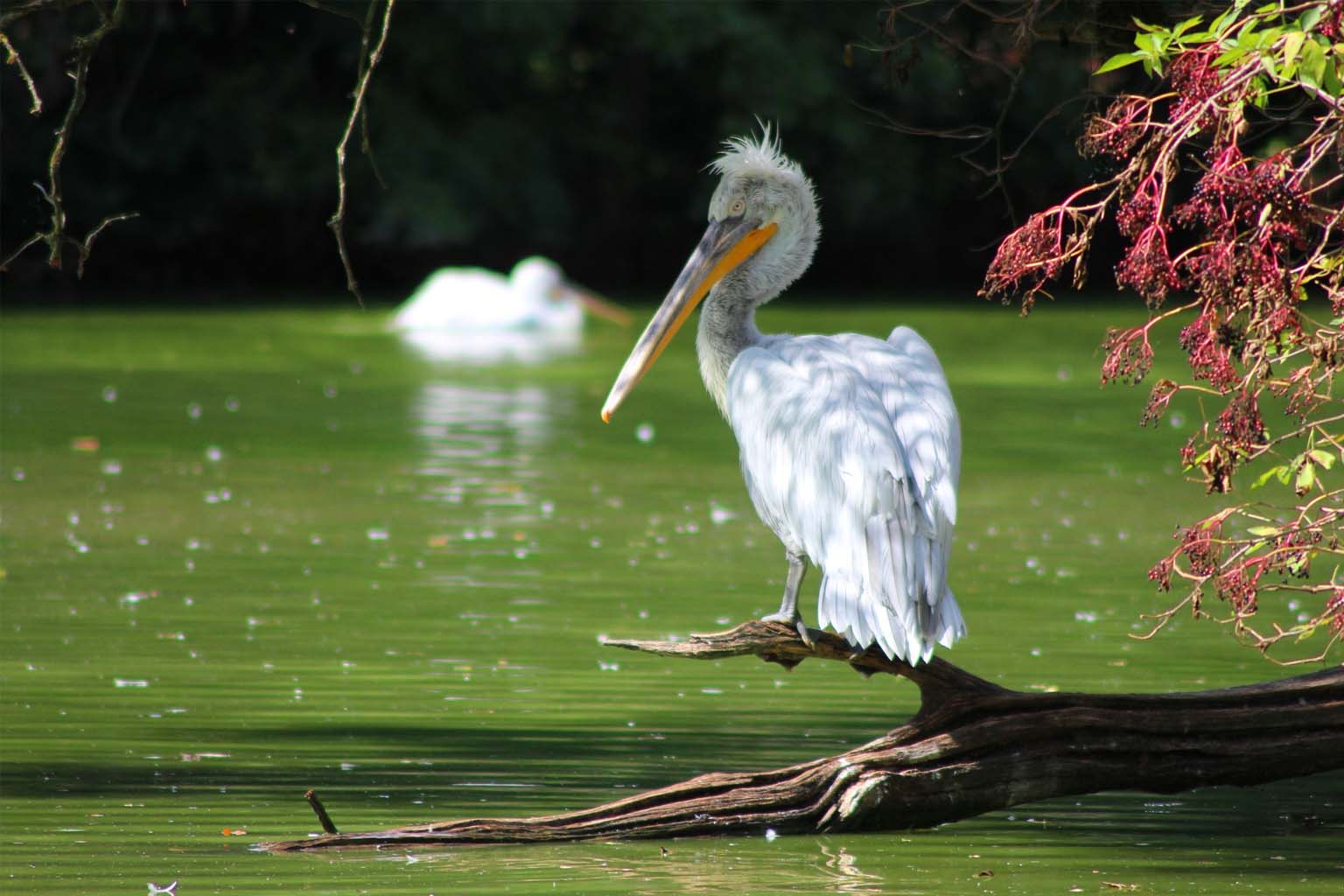
Six centuries ago, the distinctive silhouette of white storks disappeared from British skies. These large, elegant birds with their characteristic red beaks and legs once nested across the countryside, but hunting pressure and habitat destruction drove them to complete extinction by the 15th century. Now, in an ambitious conservation gambit, they’re preparing for a remarkable return to one of the most unexpected locations imaginable: the heart of east London.
The planned reintroduction at Eastbrookend Country Park in Dagenham represents more than just species recovery. It signals a fundamental shift in how we think about urban wildlife and the possibilities for rewilding in densely populated areas. This isn’t a gentle countryside restoration project, but rather a bold test of whether long-vanished species can adapt to the realities of modern urban Britain. Much like how 5,000-year-old fortification discoveries reveal ancient adaptation strategies, this project explores how species can reclaim territories after centuries of absence.
The stakes extend far beyond a single species. Success here could redefine conservation strategies for the urban century, while failure might reinforce skepticism about ambitious rewilding projects in metropolitan areas.
From Sussex Success to London Ambition
The London project builds directly on proven success at the Knepp Estate in West Sussex, where white storks have been gradually reestablished since 2016. That pioneering effort achieved a critical milestone in 2020 with the first wild-born chicks in Britain for centuries. By 2025, the colony had grown substantially, with 45 fledged birds successfully taking flight across multiple nests.
Research from the Knepp project reveals fascinating behavioral adaptations. Some birds fitted with GPS satellite tags have demonstrated natural migratory patterns, traveling across Europe and into North Africa before returning to British breeding grounds in spring. They’ve shown remarkable flexibility in nesting choices, using both artificial platforms and urban rooftops, much like their continental European counterparts.
The European Stork Village Network has recognized Knepp as the UK’s first member site, integrating British conservation efforts into a continent-wide strategy. This coordination across migratory routes proves essential for long-term population stability, as individual birds may travel thousands of miles during their annual cycles.
Urban Rewilding Meets Public Investment
Scheduled to begin in October 2026, the Eastbrookend project represents a significant commitment of public resources. The £500,000 grant from the Green Roots Fund forms part of a broader £12 million biodiversity restoration initiative targeting underserved areas of London. This funding model demonstrates growing recognition that urban rewilding delivers both ecological and social benefits.
The initial birds will be housed in a specially constructed aviary within restored grassland and wetland habitat. This controlled approach allows for gradual acclimatization before birds gain open access to forage and eventually establish breeding territories. Partnership between the London Wildlife Trust, Barking and Dagenham Council, and the White Stork Project ensures both scientific rigor and community engagement. Similar to how 16,000-year-old tools reveal ancient human adaptation to new environments, these birds must adapt to modern urban landscapes.
Sam Davenport of the London Wildlife Trust emphasizes that urban areas offer more viable habitat than commonly assumed. East London’s network of parks, waterways, and green corridors provides surprising ecological opportunities, particularly in former industrial zones undergoing environmental restoration.
Ecological Integration and Beaver Companions
The stork reintroduction forms part of the comprehensive Rewilding East London initiative. In March 2027, the same Eastbrookend site will welcome Eurasian beavers, creating a complementary ecosystem approach. These ecosystem engineers will reshape wetland habitats through dam construction, creating the diverse aquatic environments that support numerous species.
The beaver population will initially occupy fenced areas within converted gravel pits, now transformed into managed marshland. Their habitat modifications will benefit amphibians, fish, and invertebrates, while potentially creating additional foraging opportunities for storks and other water birds. The careful planning of these habitat modifications mirrors the sophisticated environmental management seen in ancient civilizations, such as the 5,000-year-old fire altar discoveries that reveal complex ceremonial landscape design.
This integrated approach reflects sophisticated understanding of ecological relationships. Rather than introducing species in isolation, the project aims to rebuild functional ecosystem processes that can support diverse wildlife communities in urban settings.
The Complex Dynamics of Urban Species Recovery
Urban reintroductions face unique challenges that rural projects rarely encounter. Noise pollution can interfere with bird communication, while artificial lighting disrupts natural behavioral patterns. The constant presence of people, domestic animals, and vehicles creates ongoing stress factors that wild populations don’t typically face.
Vehicle strikes represent a persistent threat for large birds like storks, particularly during fledgling stages when inexperienced birds are learning to navigate complex environments. Urban predator dynamics also differ significantly from rural areas, with introduced species like cats and urban-adapted foxes creating novel pressures on ground-nesting birds.
Food availability patterns in urban environments follow different seasonal rhythms than rural areas. While some food sources remain abundant year-round due to human activity, others may be contaminated with pollutants or lack the nutritional diversity found in natural systems. These factors could influence breeding success rates and long-term population health in ways that researchers are still studying.
Community Engagement and Scientific Monitoring
The appointment of a dedicated stork officer reflects recognition that public support remains crucial for long-term success. This position will coordinate school visits, community engagement activities, and citizen science programs, building local investment in the project’s outcomes. Educational initiatives include live nest cameras and public tracking tools, replicating successful approaches used at Knepp.
Scientific monitoring will track multiple variables including nest success rates, migratory patterns, and behavioral adaptations specific to urban environments. GPS tagging allows researchers to study how captive-raised birds integrate with wild populations and develop natural migratory behaviors. The complexity of understanding these behavioral patterns echoes the challenges archaeologists face when interpreting ancient sites, such as the 1,700-year-old altar discoveries that reveal intricate cultural relationships.
Multi-year data collection will prove essential for understanding population viability. While early results appear promising, experts emphasize that meaningful assessment requires tracking survival rates, breeding success, and habitat retention across several breeding cycles.
The return of white storks to London carries symbolic weight beyond conservation metrics. It represents a fundamental question about coexistence in an increasingly urbanized world. Whether these ancient migrants can successfully reclaim their place in Britain’s most densely populated areas may ultimately reveal as much about human adaptability as avian resilience.