


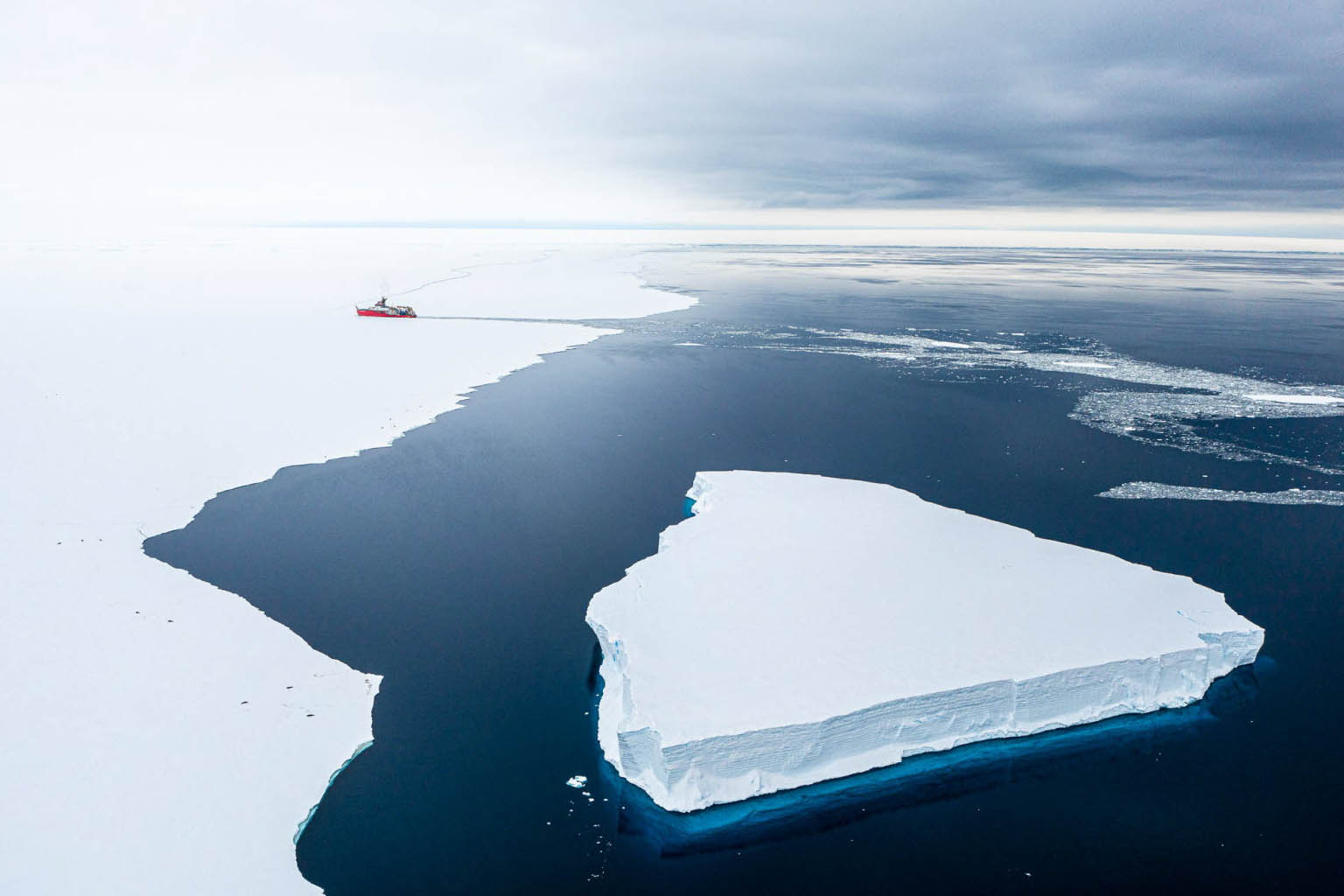
When a chunk of ice nearly the size of Chicago breaks away from Antarctica and starts racing across the Southern Ocean at unprecedented speeds, it forces us to confront uncomfortable questions about our planet’s changing dynamics. The massive iceberg designated A-84 has captured global attention not just for its impressive dimensions—30 kilometers long and 17 kilometers wide—but for the alarming velocity of its journey along the Antarctic Peninsula.
What makes this event particularly striking is how quickly conditions shifted from stable to dramatic. Just months ago, A-84 was firmly anchored to the George VI Ice Shelf, held in place by seasonal sea ice that has historically acted as nature’s parking brake for these frozen giants. The rapid dissolution of that protective barrier reveals how quickly Antarctic systems can transition from equilibrium to chaos, much like the environmental warning signs scientists have observed in other remote oceanic regions.
The speed at which A-84 has moved—roughly 250 kilometers in just one month—challenges our understanding of iceberg behavior and suggests that subsurface ocean dynamics are changing faster than surface observations might indicate. This isn’t just another calving event; it’s a window into processes happening beneath the ice that remain largely invisible to us.
The Mechanics of an Unprecedented Breakaway
The story of A-84 began with subtle signs that most of us would never notice. Satellite monitoring detected initial fracturing on the George VI Ice Shelf in late 2024, creating the conditions for what glaciologists call a calving event. For weeks, the massive ice block remained trapped near the Ronne Entrance, a bay at the shelf’s southern edge, seemingly stable despite the underlying structural damage.
The transformation came with the seasonal melting of sea ice in early 2025. Once freed from its icy constraints, powerful ocean currents immediately seized control of the iceberg’s trajectory. NASA’s satellite imagery captures this moment with startling clarity—A-84 tumbling away from its parent ice shelf like a massive puzzle piece finally breaking loose after years of pressure.
The George VI Ice Shelf presents unique challenges for researchers because of its unusual structure with two ice fronts. This configuration creates complex stress patterns that make predicting calving events particularly difficult. The current behavior of A-84 suggests that these structural peculiarities may be creating unexpected vulnerabilities as environmental conditions change.
Ocean Currents as the Hidden Accelerator
The remarkable speed of A-84’s journey has caught even experienced glaciologists off guard. Research published in Remote Sensing of Environment indicates that coastal currents along the Antarctic Peninsula have become increasingly powerful, potentially driven by changes in ocean temperature and salinity gradients. These subsurface dynamics remain poorly understood, yet they appear to be the primary force propelling massive icebergs at unprecedented velocities.
“The Antarctic ice sheet covers 9.4% of the global glacierized area, with complex ice shelf dynamics that respond rapidly to environmental changes” – Remote Sensing of Environment research
The implications extend far beyond a single iceberg’s journey. If ocean currents are indeed intensifying, newly calved icebergs could travel much farther from their origin points than historical patterns would suggest. This creates cascading effects on marine ecosystems, shipping routes, and regional climate patterns as these frozen giants distribute their cold, fresh water across broader areas of the Southern Ocean.
Scientists are particularly concerned about what these rapid movements reveal about conditions beneath existing ice shelves. The forces strong enough to accelerate a Chicago-sized block of ice are likely affecting the stability of attached ice formations in ways that surface monitoring cannot detect.
The Domino Effect on Antarctic Ice Stability
While iceberg calving represents a natural process that has occurred for millennia, the frequency and scale of recent events paint a troubling picture. George VI Ice Shelf has been steadily losing mass since systematic observations began in the 1940s, but the pattern appears to be accelerating. Each major calving event removes structural support that helped stabilize adjacent ice formations.
The loss of A-84 creates new stress points along the remaining ice shelf edge, potentially triggering additional fractures in the coming months. This domino effect has already devastated other Antarctic ice shelves, where initial small losses cascaded into complete structural collapse. The Larsen B Ice Shelf famously disintegrated in a matter of weeks once the process began, releasing decades of accumulated ice into the ocean.
Evidence suggests that warming ocean temperatures are eroding ice shelves from below, thinning them in ways that aren’t immediately visible from above. This subsurface melting creates internal weaknesses that can lead to sudden, catastrophic failures when environmental conditions shift. Just as researchers use advanced technology like LiDAR technology to reveal hidden structures beneath the surface, scientists are developing new methods to monitor the invisible erosion occurring beneath Antarctic ice shelves.
The Rarely Discussed Feedback Loops
What conventional coverage of iceberg calving often misses is how these events create self-reinforcing cycles that accelerate future ice loss. As A-84 drifts through warmer waters, it releases massive quantities of fresh water that alter local ocean chemistry and circulation patterns. This influx of cold, less-dense water can disrupt the natural layering of ocean currents that historically helped insulate ice shelves from warmer deep waters.
The size and rapid movement of A-84 means it will distribute its meltwater across a much broader geographic area than slower-moving icebergs. This creates regional cooling effects that can temporarily mask warming trends in surface measurements, potentially giving a false sense of stability while underlying processes continue to accelerate.
These feedback mechanisms operate on timescales that make them difficult to study comprehensively. The full impact of A-84’s journey may not become apparent for years, as its meltwater influences ocean circulation patterns and creates new vulnerabilities in ice formations hundreds of kilometers from its origin point. Understanding these complex systems requires the same methodical approach archaeologists use when uncovering defensive structures that reveal how ancient civilizations adapted to environmental challenges.
The rapid journey of A-84 serves as a reminder that Antarctic systems operate on scales and timelines that challenge human perception. While we focus on the dramatic spectacle of a city-sized iceberg racing across the ocean, the more significant story may be unfolding in the dark waters beneath remaining ice shelves, where changes invisible to satellites are quietly reshaping the stability of one of Earth’s last great ice reservoirs.