


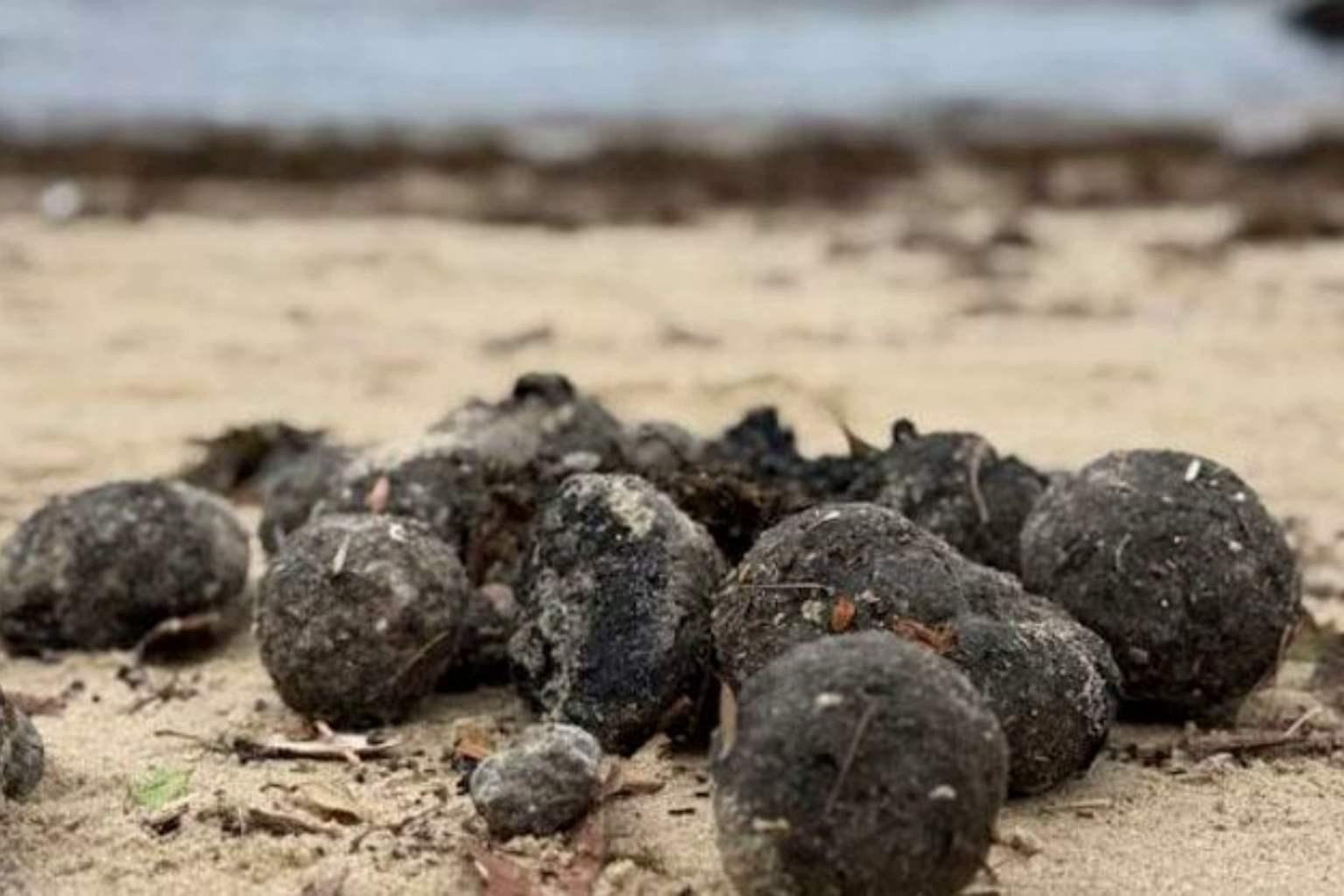
Australian beaches have been haunted by an unusual and unsettling visitor: thousands of mysterious black balls washing ashore, puzzling locals and experts alike. These tiny, sinister spheres turned the pristine sands of South Wales into a dark spectacle, igniting fears about pollution and public health. As it turns out, their origin tells a revealing story about the fragility of our environment and the risks lurking beneath coastal waters.
The Unseen Invaders of South Wales Beaches
Last year—and again this February—beaches along Australia’s South Wales coast were plastered with small, black pellets scattered across the sand and floating on the waves. Initial panic swept through the community as rumors spread about industrial spills or toxic chemicals. Authorities swiftly closed off impacted beaches, heightening anxiety among swimmers and coastal residents.
Yet, the truth was something unexpected. The Environmental Protection Authority of New South Wales (EPA) conducted exhaustive testing and confirmed that these spheres were neither oil slicks nor chemical waste but residuals from human wastewater. The EPA’s detailed analysis revealed these balls were composed of fatty acids and matter typical of sewage systems—minus dangerous bacteria such as E. coli.
“The analyses revealed that they were made up of fatty acids and materials typical of wastewater, although without dangerous bacteria like E. coli,” the EPA clarified in its official report.
Tracing the Source: The Malabar Wastewater Treatment Plant
Experts quickly homed in on the Malabar Wastewater Treatment Plant, one of Australia’s largest processing facilities operated by Sydney Water. An internal failure there accidentally released untreated sewage, which then floated through ocean currents for kilometers before landing on multiple beaches.
In total, 17 sites along the coast reported sightings, leading experts to dub the affected areas as the “ground zero” of this environmental mishap. While not an immediate biological catastrophe, the incident marked a major breach in essential sanitation safeguards designed to protect both public health and marine ecosystems.
This breach serves as a stark reminder that even advanced treatment plants can falter, releasing waste that threatens tourism-dependent economies and coastal biodiversity alike.
Social Media Outcry and Ecological Concern
Images of the black spheres flooded social platforms, sparking outrage and deep concern nationwide. Users questioned the reliability of environmental controls in a resource-rich country like Australia, fearing this issue was not a one-off but a symptom of aging infrastructure under pressure.
The viral photos also raised alarms about similar events in less regulated regions of the world, where pollution controls may be weaker or nonexistent. The incident opened a public debate about the importance of updating wastewater systems in a changing climate, where extreme weather can overwhelm aging sanitation networks.
Ongoing Cleanup Efforts and Future Precautions
The EPA demanded a full investigation from Sydney Water, pressing for a comprehensive plan to prevent recurrence. Proposals now include short-, medium-, and long-term measures aiming to safeguard coastlines from further pollution events.
Teams have been deployed to painstakingly remove the black balls from beaches—a challenge given how every incoming tide can deposit fresh debris. The cleanup could drag on for months, underscoring the persistent nature of this environmental issue.
This crisis is a cautionary tale. It starkly highlights the interplay between urban infrastructure failures and natural ecosystems, especially in the face of escalating climate change pressures that intensify storms and flooding. Experts warn—without significant upgrades, incidents like this may become commonplace.
A Wake-Up Call for Coastal Stewardship
Our oceans and beaches aren’t dumping grounds for human waste. This alarming event is a wake-up call to strengthen environmental protections and renew our commitment to sustainable infrastructure.
The unexpected invasion of black balls teaches us that every spill, no matter how “organic,” can disrupt marine habitats, harm wildlife, and dim the natural beauty that supports millions of livelihoods.
As Dr. Lisa Nguyen, a marine ecologist, explained in a 2024 study on coastal pollution, “Even small discharges from treatment failures can cascade into long-term ecological damage, affecting species diversity and water quality.”
Only through diligent oversight, investment, and public awareness can we hope to protect our beaches from future contamination, ensuring that these natural treasures remain vibrant and safe for generations to come.
How do you feel about pollution challenges facing our coastlines? Have you ever witnessed environmental mishaps like this? Share your thoughts and stories in the comments or share this article with your community—our seas are worth protecting together.