


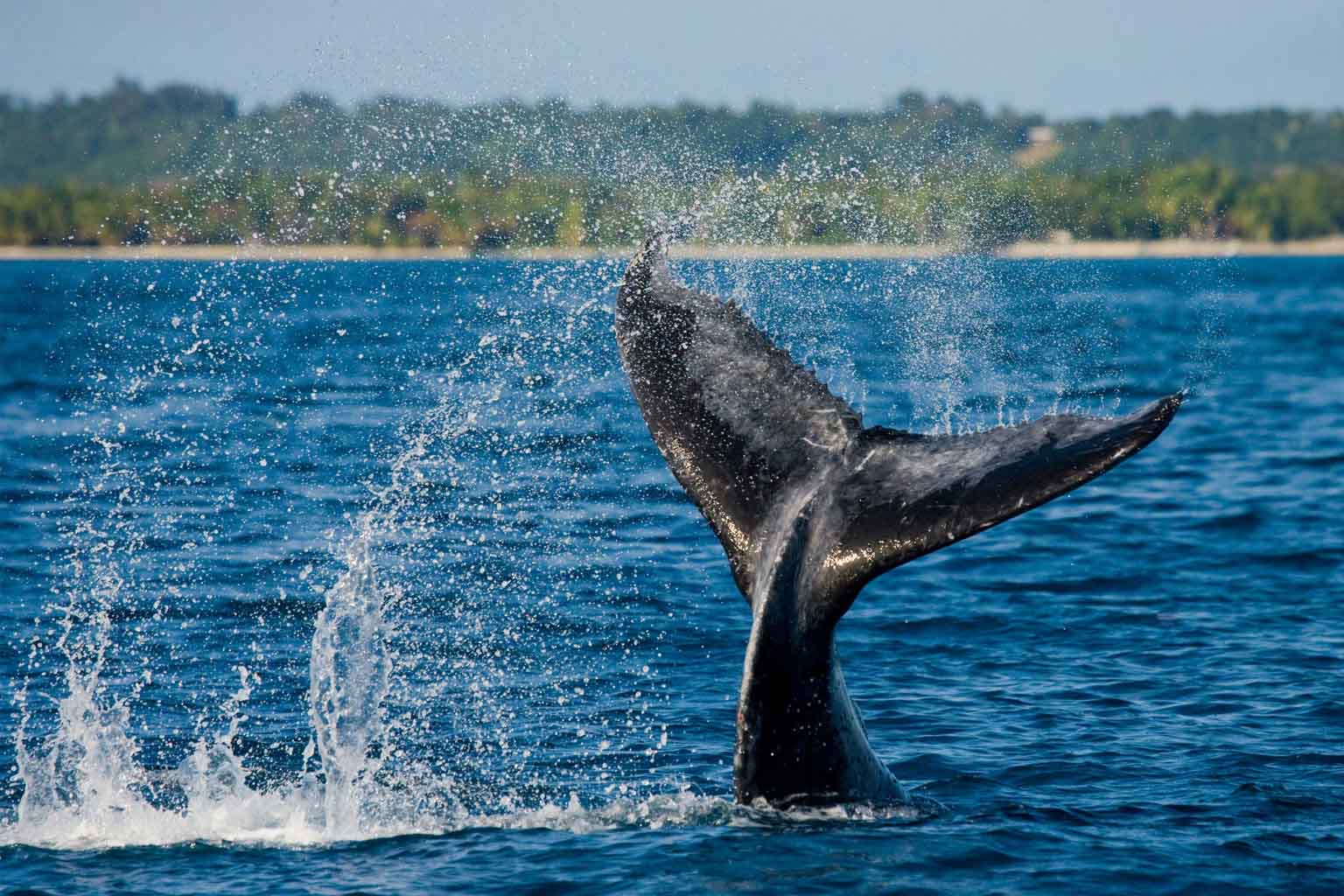
Massive humpback whale sightings along the U.K. coastline are capturing hearts and spotlighting urgent environmental issues. This majestic visitor rekindles hope for marine life recovery and sparks fresh debate over local energy initiatives.
A Rare Giant Returns to the Kent Coastline
A striking encounter with a humpback whale off the Kent coast has excited conservationists and marine experts across the U.K. Captured by volunteers with the Kent Dolphin Project and reported by BBC News, this rare sighting highlights an encouraging trend of marine wildlife gradually reclaiming these waters. The unexpected appearance of this ocean giant not only delights onlookers but also signals positive momentum in the recovery of vulnerable marine populations.
Sightings similar to this one have cropped up over the past year near Cornwall and Sussex, suggesting that traditional migratory corridors along the Atlantic are reviving. Experts like Max Renton of Adonis Blue Environmental Consultants describe these encounters as “really exciting” and stress the importance of sustained research to understand whether these whales are the same individuals returning or simply part of a broader population rebound. Such repeated visits reinforce the need for ongoing monitoring of the U.K.’s marine ecosystems.
Conservation Wins Amid Rising Energy Debates
While the conservation community celebrates the wholesome return of humpbacks, this resurgence comes at a politically charged moment. The local Sea Link undersea cable project, designed to promote low-emission energy transfers, faces renewed criticism. This infrastructure initiative, though crucial for clean energy advancements, confronts opposition because of its potential disturbance to marine pathways critical for whales and other species.
Emma Waller, a planning and policy officer at Kent Wildlife Trust, voices concern that the project “lacks adequate mitigation for marine mammals.” Her perspective captures a larger tension between meeting energy goals and safeguarding vulnerable wildlife habitats. “Renewable energy is vital, but it must not come at the expense of wildlife when alternative options are available,” she adds, emphasizing the need for responsible planning that respects delicate underwater ecosystems.
Why Humpback Whales Matter For Climate and Biodiversity
More than just charismatic marine mammals, humpback whales play a crucial role in the planet’s climate regulation. Through their feeding habits, whales help manage krill populations, allowing phytoplankton to flourish. Phytoplankton, tiny but mighty, absorb vast amounts of carbon dioxide, acting as a natural carbon sink.
Additionally, whale waste fertilizes nutrient-poor ocean areas, boosting primary productivity and further enhancing carbon capture. When whales die, their bodies descend to the ocean floor, locking away carbon for centuries. This process, often called the “whale pump,” offers a remarkable natural method of carbon sequestration that benefits the entire marine ecosystem.
Scientists from institutions like the National Oceanic and Atmospheric Administration (NOAA) highlight this role. According to a recent NOAA report, restoring whale populations is a “nature-based climate solution” that supports both biodiversity and carbon capture efforts. This dual benefit showcases the interconnectedness of healthy oceans and global climate stability.
The Path Forward: Balancing Conservation and Development
The return of humpback whales to U.K. waters is a hopeful sign that marine ecosystems are beginning to heal. However, with upcoming development projects like Sea Link, the need for stringent environmental safeguards has never been more evident. Maintaining the delicate balance between advancing renewable energy infrastructure and protecting marine habitats will require collaboration, comprehensive impact assessments, and innovative mitigation measures.
Environmentalists urge policymakers and developers to integrate wildlife protections into all phases of planning. As Max Renton ably summarized, “Seeing these giants return is a call to action, reminding us that our oceans’ health depends on the choices we make today.”
If you’re fascinated by these majestic creatures and passionate about protecting our oceans, share your thoughts below or join the conversation by commenting. How do you think the U.K. should balance wildlife conservation with the push for renewable energy? Your voice matters.