


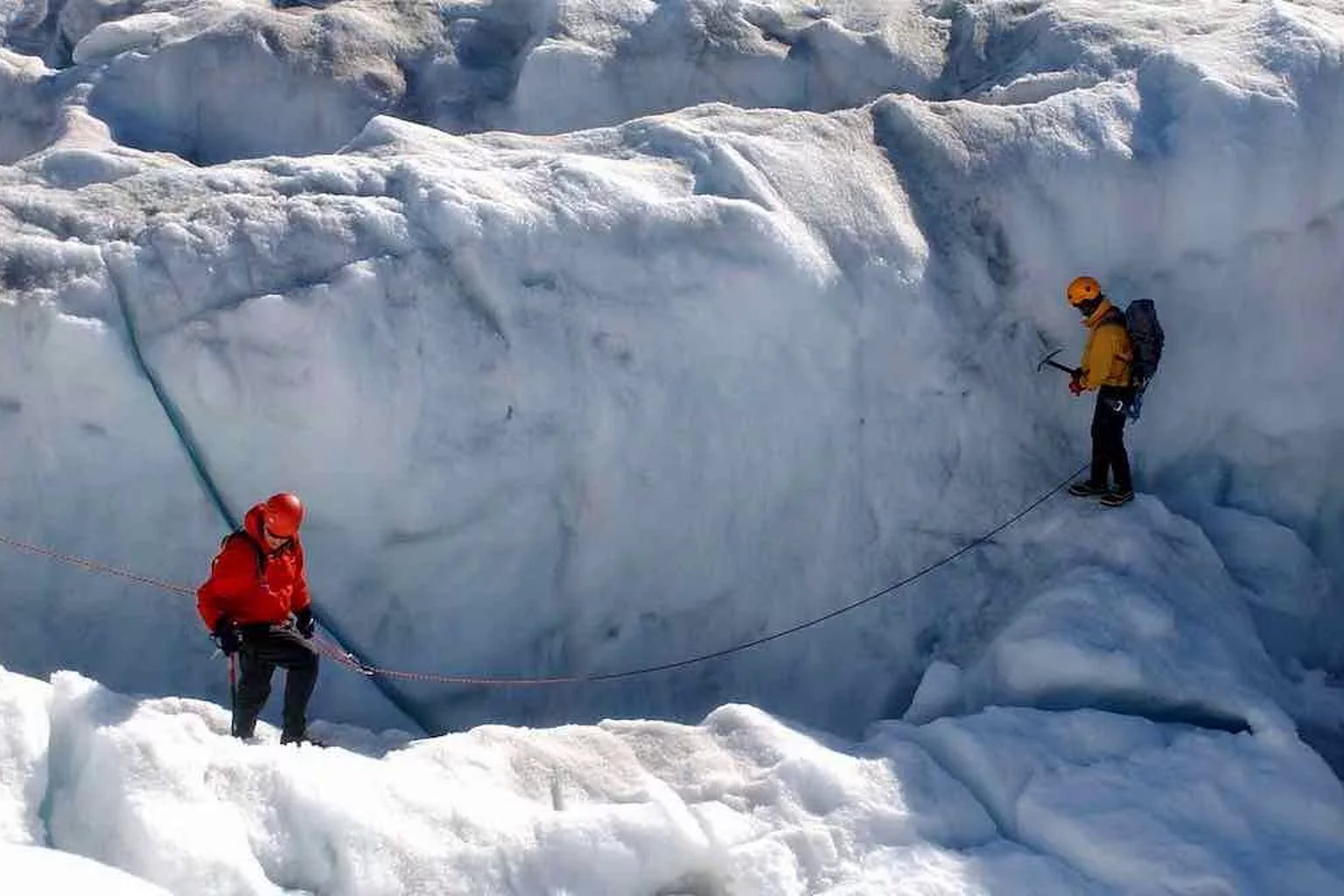
Beneath more than 1,500 feet of Antarctic ice lies a hidden world that reads like a science fiction novel come to life. Scientists have uncovered a mysterious river flowing silently beneath the Ross Ice Shelf, inhabited by creatures resembling lobsters—thriving in the pitch-black, frigid depths. This remarkable discovery is not just a geological marvel but a critical piece in understanding how Antarctica influences our planet’s climate and sea levels.
The astonishing subglacial river and its lobster-like inhabitants
In a daring and carefully planned expedition, a team of researchers drilled through 1,600 feet of ice to reach the hidden waters beneath the Antarctic continent. What they found was a slow-moving subglacial river, vast enough to rival the height of a 30-story building and as wide as an urban city block. This river carries a rare blend of fresh and seawater, quietly flowing toward the Southern Ocean.
Huw Horgan, the lead scientist on this expedition, shared the thrill of their findings: “We found water at the bottom of our borehole and, with our camera, spotted a colony of creatures that look surprisingly like lobsters—living over 250 miles from any open ocean.” These hardy organisms survive in total darkness and near-freezing temperatures, revealing a fascinating ecosystem thriving beneath the ice.
This discovery opens a new chapter in Antarctic biology, showing that life can endure in places once thought barren—a testament to nature’s resilience under extreme conditions.
Why this hidden river beneath Antarctica is crucial for climate science
The Ross Ice Shelf plays a vital role as a giant stopper, holding back massive amounts of ice from the interior of Antarctica. This regulation helps control global sea levels, making understanding what lies beneath it critical. The subglacial river’s water level rises roughly once every decade, triggered by sudden surges from nearby subglacial lakes. These periodic inflows act like an intricate underground plumbing system beneath the ice.
When these surges happen, they create powerful currents that carve channels underneath the ice shelf, accelerating melting and weakening the ice from below. This process facilitates ice mass sliding into the ocean, which contributes to rising sea levels. For coastal cities worldwide, these changes mean heightened risks of devastating floods, stronger storms, and increasing damage to infrastructure.
Experts believe that hidden river systems like this one beneath Antarctica are silent but significant accelerators of ice loss. According to a NASA report, these subglacial flows play an underestimated role in destabilizing ice shelves, emphasizing the need for continued monitoring and research.
“Understanding these subglacial processes is essential for predicting future sea level rise, which impacts millions globally,” said Dr. Lisa Nguyen, a climate scientist specializing in polar research.
What this means for global sea level rise and human safety
The implications of these newfound subglacial rivers extend far beyond Antarctica. Rising sea levels threaten to disrupt millions of lives worldwide due to increased flooding, more frequent hurricanes, and severe weather patterns intensified by climate change. Coastal infrastructure, agriculture, and public health systems all face mounting pressure as the planet warms.
Moreover, scientists warn that these rising seas can exacerbate the spread of diseases that had been previously uncommon in certain regions due to environmental shifts. This interconnected chain reaction highlights how deeply vulnerable global communities are to changes originating in remote polar regions.
Governments and communities are responding by strengthening flood defenses, investing in early warning systems, and adopting sustainable urban planning. Individual actions, like reducing fossil fuel use and supporting renewable energy, can also make a difference in limiting the broader impact of climate threats.
How you can make a difference against climate change
While we cannot directly control the icy rivers beneath Antarctica, every person has a role to play in curbing the climate crisis. Transitioning to renewable energy sources such as solar panels is one effective step. Many U.S. homeowners, myself included, have experienced the benefits: lower utility bills, energy independence during storms, and reduced carbon footprints.
By investing in solar technologies, supported often by government incentives and tax credits, families contribute to a cleaner, more stable climate. Simple lifestyle changes—like using electric vehicles, reducing single-use plastics, or improving home insulation—add up to significant collective impact.
Higher sea levels and stronger storms aren’t just statistics; they’re shaping the reality many communities already face. Protecting our planet requires both innovation and individual commitment to sustainable choices.
Are you seeing the impacts of rising seas or more frequent storms in your area? What steps have you taken to reduce your environmental footprint? Share your thoughts and experiences below—your insights could inspire others to act. And please pass along this discovery; understanding what lies beneath Antarctica could be vital to protecting our global future.