


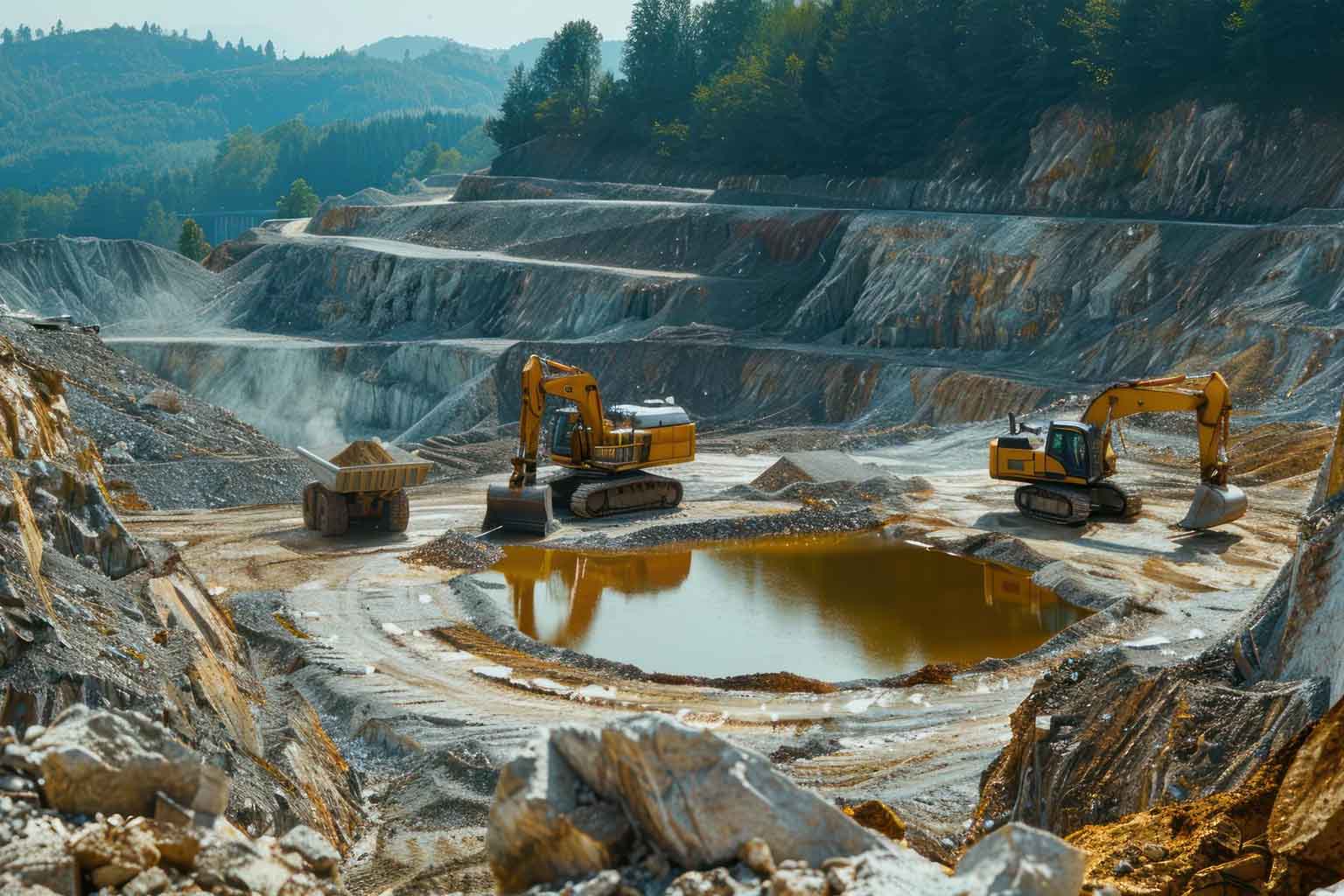
Discovering a hidden giant: a colossal copper deposit has emerged from the clouds of China’s Qinghai-Tibet Plateau, poised to shake up the global copper market and challenge decades of Chilean dominance. This extraordinary find not only marks a breakthrough in resource exploration but could also be a game-changer in the renewable energy race.
An Unseen Treasure in the Roof of the World
At the heart of one of Earth’s most forbidding landscapes—the Qinghai-Xizang Plateau—Chinese geologists have uncovered an unprecedented copper reserve estimated to exceed 20 million tons. Nicknamed the “Roof of the World” for its extreme altitude and harsh climate, this region was long dismissed due to its difficult terrain and extreme weather. Yet, the latest surveys suggest that the size and grade of this copper super-deposit could redefine strategic mineral landscapes.
This mineral trove, tucked away in one of the planet’s last frontier zones, remained concealed by logistical challenges and environmental extremities. Thanks to advances in remote sensing technology and automated drilling, scientists are now able to navigate terrain once thought inaccessible. These techniques may pave the way for future resource discoveries in other hard-to-reach mountainous regions worldwide.
The Energy Transition’s Most Critical Metal
Copper’s role in the global energy transition is nothing short of vital. As the backbone of electrical conductivity, copper is indispensable for a wide array of green technologies. From the electric motors in cars to the vast wiring networks of solar farms and wind turbines, demand for this metal has skyrocketed.
According to Tang Juxing, an academician at the Chinese Academy of Engineering, copper is “a critical metal for renewable energy,” a sentiment echoed globally as the market tightens. Industry data reveals that a single wind turbine contains up to 8,800 pounds (4 tons) of copper, while electric vehicles require approximately three to four times more copper than conventional gasoline vehicles. This surge in demand makes discovering new, large-scale deposits not just economically beneficial but essential for achieving global climate goals.
This copper find underscores China’s strategic ambition to secure key materials necessary for sustainable technologies. The country’s push to boost domestic supply could alleviate its dependence on imports and enhance its influence in global commodity markets.
Chile Faces a New Challenger in Copper Production
For decades, Chile has held the mantle of the world’s top copper producer, supplying roughly 28% of global output according to the U.S. Geological Survey 2023 report. However, the emergence of this massive Chinese deposit might irreversibly alter that dynamic.
Experts warn that, with enhanced domestic reserves, China could leverage pricing and supply controls to shift geopolitical balances, especially amid rising U.S.-China trade tensions which have strained the copper market. Already, disruptions to recycled copper flows force reliance on costly raw ore, intensifying the strategic value of large, untapped reserves.
Some analysts predict this development will “amplify economic sway” for China and may prompt other nations to reevaluate their mining and trade policies. The potential reshaping of the global copper supply chain highlights copper’s position not just as an industrial metal but a strategic asset in geopolitical negotiations.
The Environmental and Social Crossroads of High-Altitude Mining
While the discovery heralds economic promise, it raises urgent environmental and social questions. The fragile ecosystem of the Qinghai-Tibet Plateau hosts unique flora and fauna, and conservationists warn about irreversible impacts from mining activities.
In response, companies are advancing environmentally friendly mining technologies, such as advanced wastewater treatment and reduced landscape disturbance methods. Pilot projects in high-altitude zones have shown promise, but scaling these measures to a mega-mine operation remains challenging.
Locally, communities are divided. Some envision improved infrastructure and economic opportunities, while others fear cultural erosion and environmental degradation. The balance between development and preservation will be critical as this project progresses.
Looking Ahead: Strategic Implications and Industry Reactions
The discovery is fueling wider conversations on resource security and supply chain resilience. Chinese geological teams continue to explore surrounding areas with cutting-edge imaging technologies, hoping to identify additional veins that would further strengthen supply stability.
For global manufacturers, governments, and investors, this find represents a potential cornerstone for China’s ambitious clean energy goals. Copper is increasingly symbolizing more than a metal—it is a linchpin for climate strategy and economic power.
According to a recent report by the International Copper Association, “Securing reliable copper supplies is essential to meeting decarbonization targets worldwide.” This emphasizes that discoveries like these are intertwined with broader environmental and economic imperatives.
“Copper is the electrical backbone of the clean energy future.” – Dr. Lisa Nguyen, Renewable Energy Specialist, 2024 study on mineral criticality
If this copper discovery reshapes global markets, it will also redefine the ecological and human challenges of mining at extreme altitudes—lessons with ripple effects for resource development across the planet.
What do you think about this new frontier in copper mining? Could such resource finds shift the global balance of power, or will environmental concerns and local resistance outweigh economic gains? Share your thoughts below and join the conversation!