


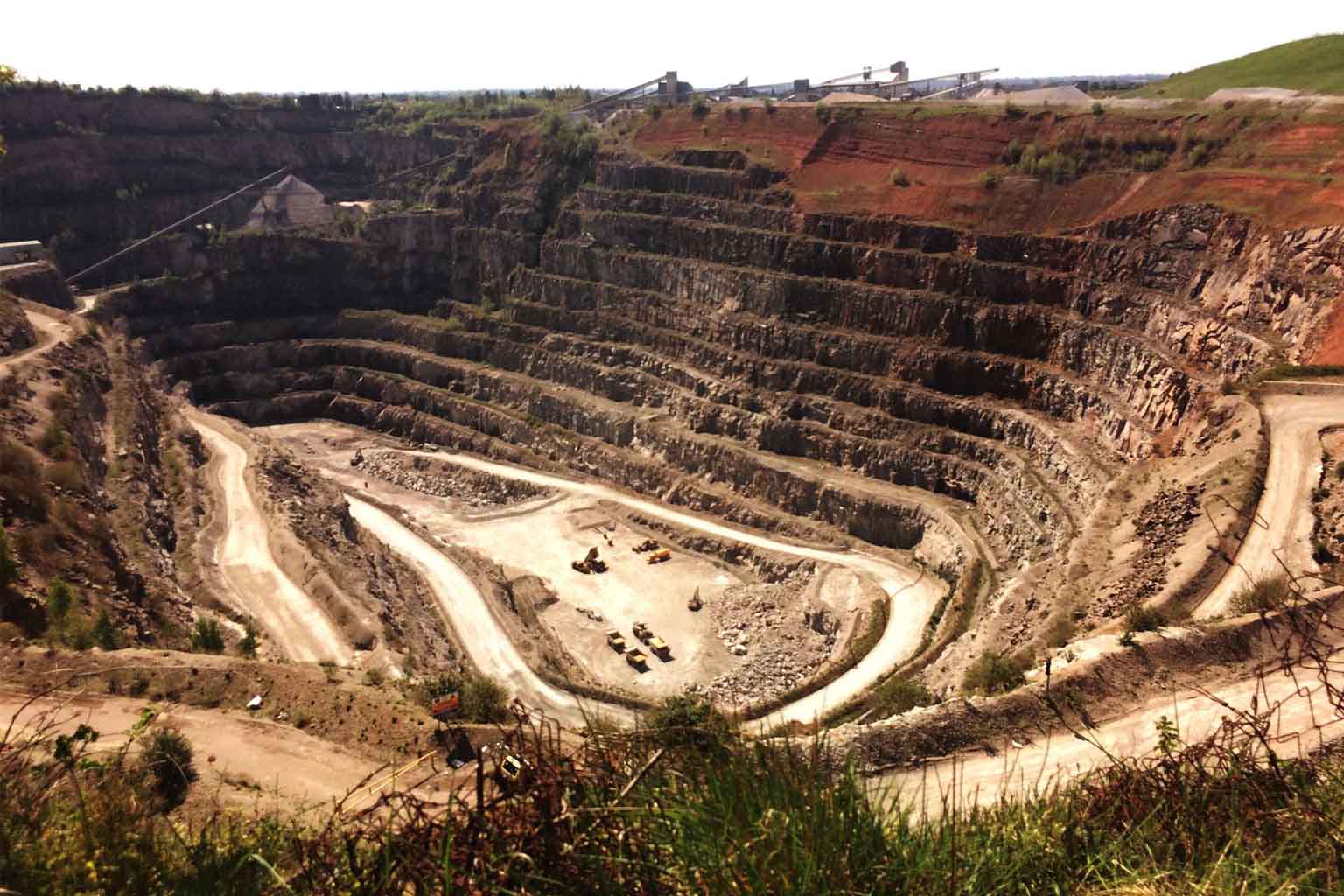
In the gentle, rolling landscapes of rural France, beneath fields of golden wheat and bright sunflowers, a profound discovery has quietly shaken a small village awake. It all started with a loud clang — a farmer’s tractor hitting something unusually solid beneath the earth that he had farmed for years.
Thus began the story of Saint-Agnès, a modest village tucked away in metropolitan France. Its quietude was shattered when farmer Marc Dubois happened upon rare mineral fragments that glittered in the disturbed soil. These weren’t just any minerals; they were rare earth elements, vital components in the production of modern technology.
An Unexpected Treasure Beneath the Soil
Dubois’s tractor had struck gold — well, not literally, but the rare minerals he unearthed were something akin to it. In an area primarily noted for agricultural bounty, not geological riches, the discovery proved truly surprising. For years, experts believed this part of France held no such promise, and yet, here it was — a treasure trove beneath their feet.
Experts, buzzing with excitement, have been cataloging the find. And in a place where you’d typically hear nothing more than birds and farm machinery, the unexpected clamor of interest from geologists and government officials created quite a stir. As the news spread, so did plans for careful extraction and preservation of this newfound wealth — and the community’s way of life was about to become globally significant.
From Local Quiet to National Attention
Saint-Agnès was suddenly thrust into the limelight, its serene atmosphere disrupted by an influx of attention from journalists, investors, and politicians. The French government acted quickly, declaring the site classified due to its economic sensitivity and security implications. This cloak of secrecy only added to the buzzing intrigue and speculation surrounding the village.
Not long after, major mining companies began to circle like hawks, eager to capitalize on the rare discovery. Promises of new infrastructure — roads, schools, jobs — flashed before the residents’ eyes, adding layers of complexity to their once-simple lives. You could say the change was palpable; the air was thick with both excitement and apprehension.
For Dubois, that ordinary day became the threshold to extraordinary change. Suddenly, his family’s fields were not just the backdrop of their longstanding agrarian routine but the center of a national conversation. A conversation about how to balance heritage and progress, not to mention tackling the thorny issue of environmental impact.
Environmental Concerns Surface
Even as economic opportunities loomed large over the horizon, whispers of environmental trepidation began to echo through the village. Community members and environmental activists alike raised questions and eyebrows over potential ecological fallout. After all, mining isn’t without its dangers. Pollution, ecosystem disturbances, and loss of cultural landscapes are very real concerns.
Recognizing these apprehensions, the French authorities have already initiated environmental impact studies. These studies aim to find a delicate balance, ensuring that mining operations proceed in harmony with ecological preservation. The stakes are high — the findings from Saint-Agnès could set new standards for rare earth element extraction throughout Europe.
In this context, achieving such balance seems as vital as ever, especially when the local ecosystem’s health is at stake. Would the allure of economic revitalization overshadow ecological stewardship? The villagers wait, hoping for solutions that honor both their land and their new-found opportunity.
Strategic Importance in the Modern World
Rare earth elements are not just obscure scientific interests. They are the backbone of the digital world, essential in crafting everything from smartphones to electric cars, even advanced military technologies. As demand for these materials escalates globally, this covert locale could emerge as a central player on the world stage. According to a Forbes analysis, rare minerals play a senior role in keeping tech innovations on track.
If managed wisely, Saint-Agnès stands poised on the brink of becoming a pivotal node in the global supply chain. It is poised in an interesting convergence — where high-technology aspirations meet rural tradition. In the digital age, such transformations are not uncommon and carry all the tensions and promises you might expect.
As the villagers gather under the village oak to discuss these weighty matters, a question hangs in the air like morning mist: How will they navigate the dual pathways of advancement and preservation? Only time will tell, but one thing is clear: the story of Saint-Agnès is far from finished.
In the end, whether the road ahead brings prosperity or peril, it’s certain to be one watched closely by many eyes. So, the next time you enjoy the benefits of modern tech, pause and consider where it comes from. And if you liked this tale of discovery and debate, why not share it with a friend or maybe start a conversation of your own?