


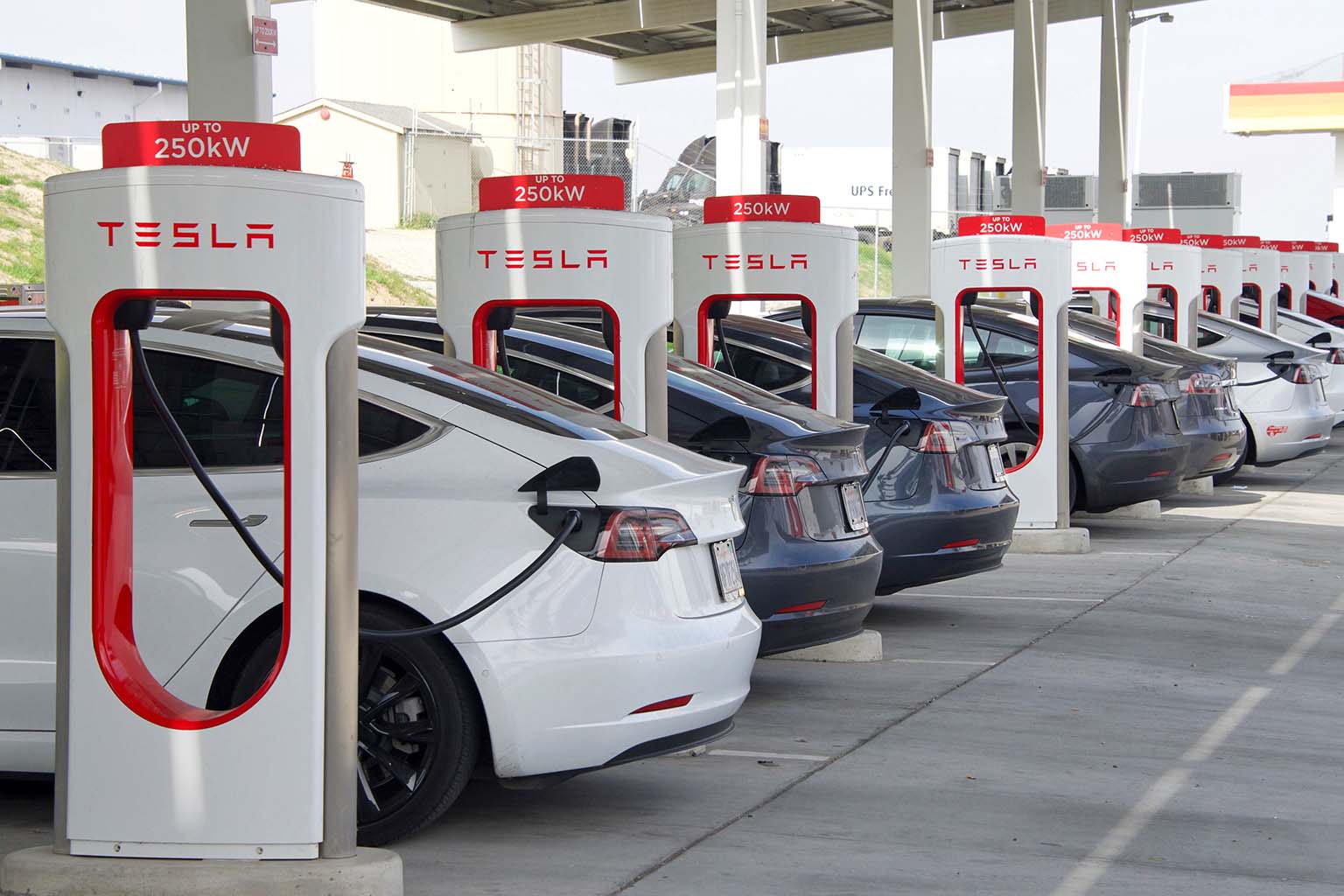
The story of Romain Roy’s decision to back out from buying 15 Tesla cars is more than just a transaction gone awry; it’s a bold statement weaving politics, ethics, and economics. Imagine the buzz when this French entrepreneur, who had committed to a substantial fleet of Tesla cars, suddenly hit the brakes. There’s a bigger tale behind this move, and it speaks volumes about current global tensions.
Romain Roy’s Unexpected U-turn
In a surprise move that has resonated far beyond the business community, Romain Roy, CEO of Groupe Roy Energie, shook things up by canceling his January 2025 order for 15 Tesla vehicles. While at first glance it may seem simply like a business decision, Roy’s action is deeply rooted in protesting against certain U.S. economic policies and the behavior of corporate giants like Elon Musk.
Why would someone trade in the sleek allure of Tesla for politics? According to Roy, it was the terrifically challenging 25% tariffs imposed on European products by the Trump administration that soured the deal. “Tariffs like these,” he explains, “make it tough to keep our trade ties healthy.” The impact was a heavy blow to the bridge of commerce stretching between Europe and the U.S., leading to what some might call a breaking point for businesses like his.
Criticism of Elon Musk’s Practices
As if politics weren’t enough, Elon Musk’s conduct and public statements also rubbed Roy the wrong way. In a candid interview with Le Parisien, Roy did not mince words: “I don’t want any euro from my company to enrich this man.” A sentiment loaded with the frustrations many Europeans feel about the outsized influence and contentious practices of some U.S.-based corporations. Sure, Musk has a reputation for being a visionary, but is it worth the cost to support him if it goes against your principles?
Roy’s resistance to American corporate dominance is one echoed by a growing number of European consumers aiming to endorse businesses that align with their values, especially regarding sustainability and ethics. It’s not just about electric cars; it’s about what kind of world people want to drive through.
Switching Lanes to European Made
Post Tesla-cancellation, where did Roy turn? Enter European automakers. Peugeot, Volkswagen, and Mercedes quickly became the platforms for his company’s driving needs. Yes, these electric vehicles carry a heftier price tag — with models averaging €10,000 more per unit than Tesla’s offerings, equating to a whopping €150,000 extra for all 15 cars. To some, an extravagance; to Roy, an investment: “It’s about more than money; it’s about supporting our local economy and businesses,” he asserts.
For Roy and many others, this decision represents a broader, growing movement. A local-first mindset is taking root, driven by a desire to foster sustainable and ethical communities. This not only aligns with European values but also reinforces regional economies as they navigate uncertain international waters.
Resonating Beyond Business
Roy’s call to arms is more than a solitary act of defiance; it reverberates deeply into the fabric of global consumption patterns. According to a March 2025 Ipsos-La Tribune survey, a striking 70% of French citizens voiced their intentions to shun U.S. products out of frustration with American political and environmental policies. A cultural shift is underway, prompting conversations around corporate responsibility and moral business practices.
Beyond the bottom line, what implications does this hold for the broader global market? It invigorates the debate over the power held by consumers—not just in Europe, but worldwide. Roy’s decision has served as a clarion call, challenging the dominance of U.S.-based companies and showcasing the ability of consumers to shape corporate landscapes through informed choices.
This is not Roy’s first brush with ethical consumerism. He had previously banned Amazon deliveries within his company, motivated by concerns over the platform’s environmental impact and promotion of overconsumption. Roy is, in many ways, a harbinger for a burgeoning collective consciousness.
So, what’s the takeaway here? It’s about realizing the power of individual choices to drive change. Each act of defiance, no matter how small, feeds into a larger narrative of consumer empowerment. It’s a call for all of us, as interconnected global citizens, to think twice about where our dollars—or euros—go.
And now, over to you: what choices are you making today that could ripple into tomorrow’s world?