


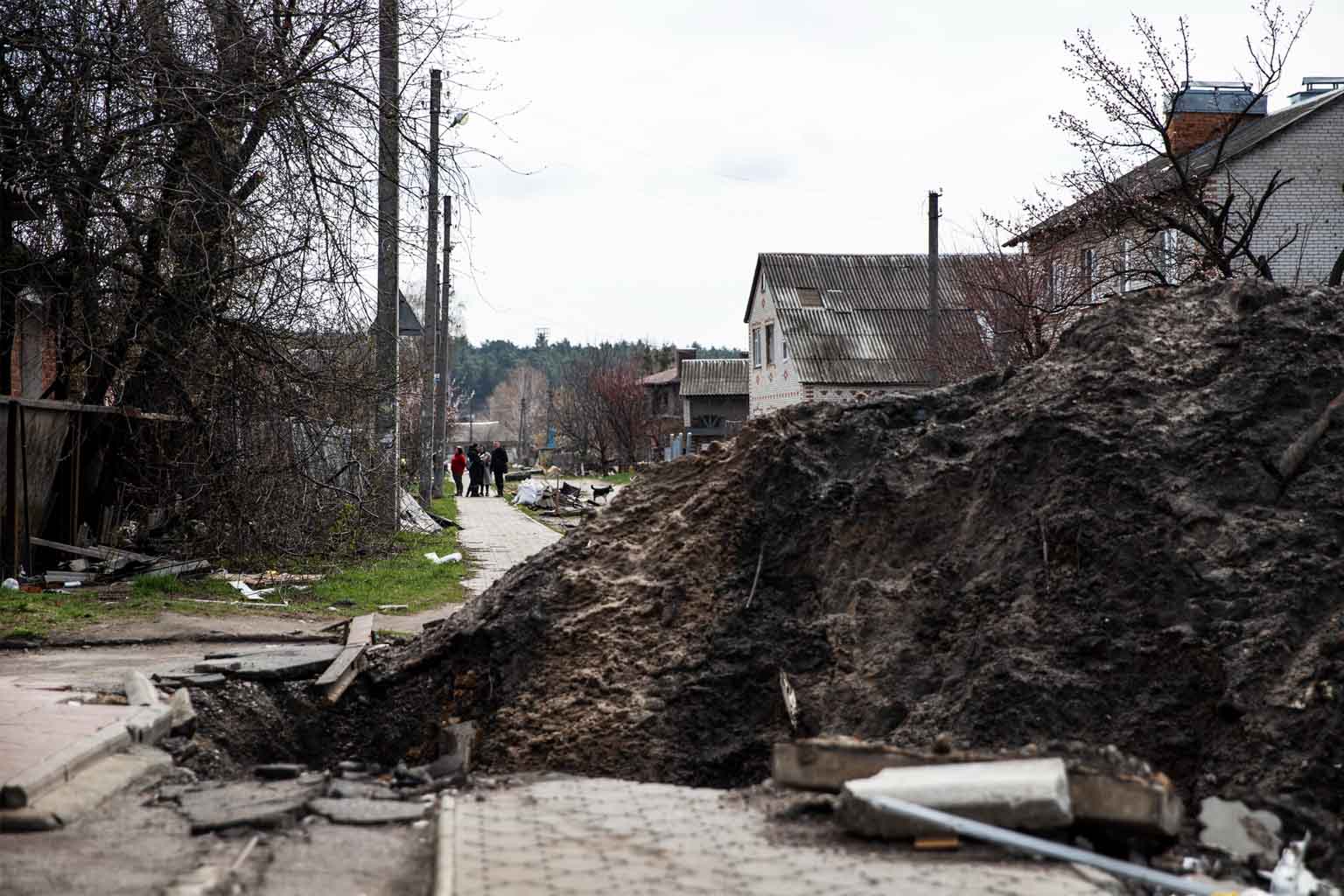
On March 28, 2025, Myanmar faced a devastating calamity as a massive earthquake with a magnitude of 7.7 violently shook the region. Centered near Mandalay and reverberating all the way to Bangkok, this powerful tremor tragically claimed over 4,900 lives and dramatically altered the landscape along the Sagaing Fault—a prominent geological boundary that separates the Burma Microplate from the Sunda Plate. For the first time in history, scientists caught the very moment the Earth’s surface ripped apart on camera, providing an unprecedented view of nature’s raw power in action.
A rare glimpse of tectonic forces in real time
The seismic event originated along the Sagaing Fault, known for its dextral strike-slip movement, where two massive blocks of Earth slide horizontally past each other. What makes this earthquake uniquely significant is the availability of stunning footage recorded near the town of Thazi. This video clearly shows the ground visibly shifting as the fault suddenly slipped, offering a live look at a fault rupture—something that has eluded visual capture until now.
According to the U.S. Geological Survey, a fault is “a fracture or zone of fractures between two blocks of rock,” which may move slowly or suddenly during seismic episodes. This real-time capture of fault slip on the Earth’s surface breaks new ground in seismology, offering a tangible look at a process previously theorized but not so vividly witnessed.
Massive rupture with far-reaching consequences
The earthquake rupture traveled an astonishing distance of over 285 miles (460 kilometers), with the strike-slip movement occurring approximately 6 miles (10 kilometers) below the surface. The immense energy released triggered violent shaking classified as intensity IX on the Modified Mercalli intensity scale—signifying devastating effects.
The most dramatic ground displacement measured over 14 feet (4.3 meters) between the towns of Sagaing and Amarapura. The rupture extended roughly 47 miles (75 kilometers) north of the epicenter and stretched about 260 miles (420 kilometers) south, impacting several towns including Singu and Oktwin, where ground shifts exceeded 3 feet (1 meter).
Supershear rupture: The earthquake that outran seismic waves
Scientists studying this earthquake highlighted a rare phenomenon called a supershear rupture, where the fault rupture propagates faster than the speed of seismic shear waves. Research published by ScienceDirect explains that this phenomenon amplifies the seismic energy unleashed during the quake, causing even more intense shaking and damage.
The entire seismic rupture event lasted just over 80 seconds, with the peak energy—and thus the most violent shaking—occurring about 30 seconds after it began. This rapid acceleration in rupture speed likely contributed to the severity of destruction in the densely populated regions affected by the quake.
“Supershear earthquakes may produce more destructive shaking than standard ruptures by outpacing the very seismic waves we monitor,” noted Dr. Lisa Nguyen in a 2024 study on fault dynamics.
How this event advances earthquake science and preparedness
This extraordinary video and seismic data from Myanmar’s earthquake provide invaluable insights into fault behavior during major earthquakes. Watching a fault rupture unfold in real time offers scientists an unprecedented opportunity to refine earthquake models and enhance risk assessments in earthquake-prone regions.
The U.S. Geological Survey emphasizes that faults like the Sagaing Fault “produce repeated displacements over geologic time,” but no one had ever filmed one rupturing like this before. Capturing this event visually is a historic milestone that promises to deepen understanding of earthquake mechanics and guide improved preparedness strategies worldwide.
According to a ScienceDirect report, this footage might help scientists develop better early warning systems and refine building codes designed to withstand such catastrophic events.
This moment, recorded by dedicated researchers on the ground, stands not only as a testament to natural power but as a beacon for progress in science and safety.
Have you ever witnessed remarkable natural phenomena or captured moments that changed your view of the world? Share your thoughts and experiences in the comments below—let’s start a conversation about the forces that shape our planet and how we can stay resilient.