


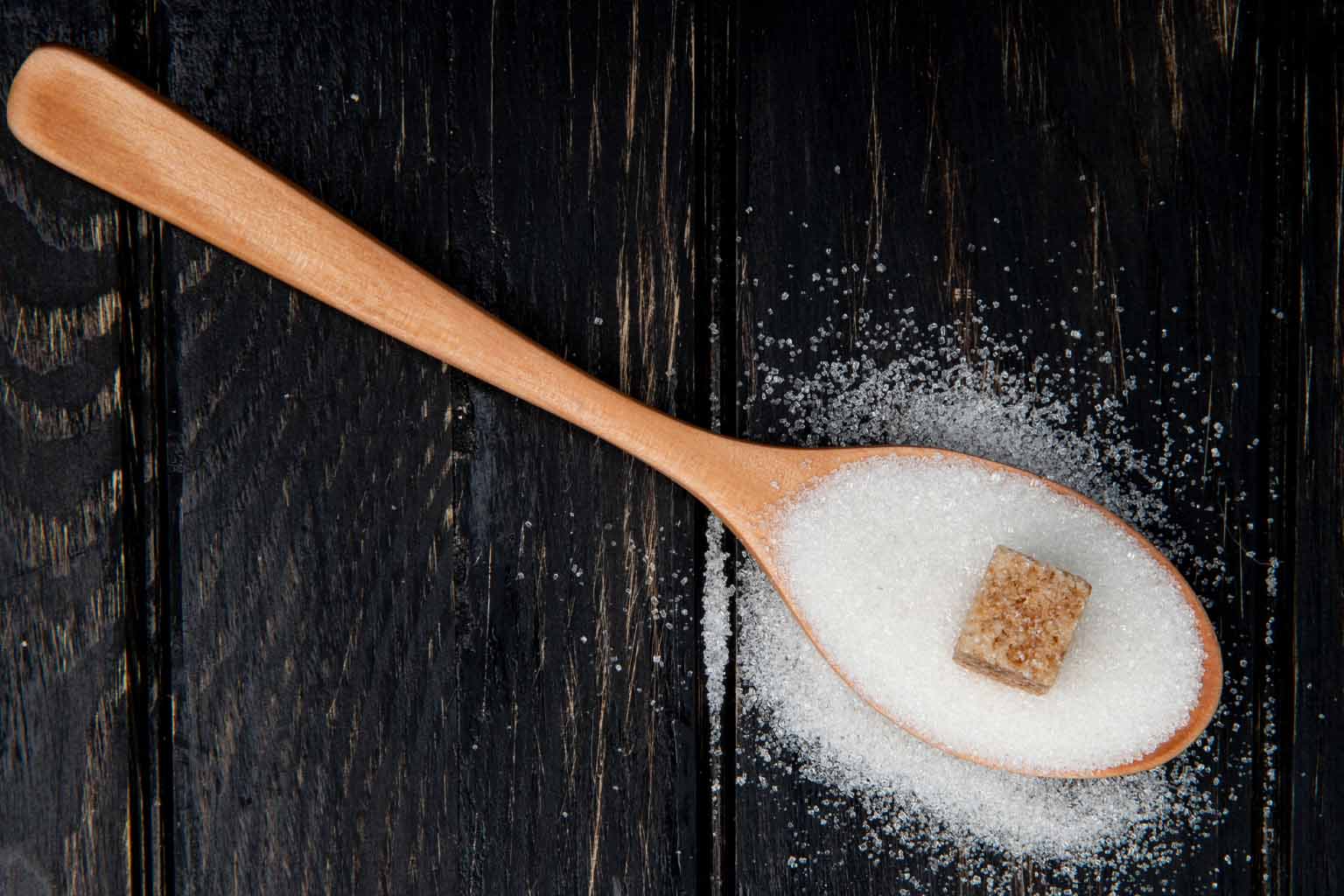
The sweetener industry stands at a crossroads. While artificial alternatives face mounting scrutiny over potential health risks, traditional sugar remains problematic for millions managing diabetes or weight concerns. This ongoing tension has researchers exploring natural alternatives that could bridge the gap between health consciousness and culinary satisfaction, much like how ancient Romanian defenses required innovative strategies to address complex challenges.
Enter tagatose, a naturally occurring sugar that has lingered on the periphery of food science for decades. Found in small quantities in dairy products and certain fruits, this sweetener delivers 92 percent of sugar’s sweetness with only one-third of the calories. More importantly, it doesn’t trigger the insulin spikes that make conventional sugar problematic for diabetics and those monitoring blood glucose levels.
Recent breakthroughs in production methods may finally bring tagatose from laboratory curiosity to mainstream availability. Scientists at Tufts University have developed a biosynthetic process using enzymes derived from slime mold, achieving production yields that could make commercial viability a reality rather than a distant possibility.
The Metabolic Advantage That Sets Tagatose Apart
Tagatose’s unique appeal lies in how the human body processes it. Unlike sucrose, which rapidly enters the bloodstream and triggers insulin release, most tagatose undergoes fermentation in the large intestine. Only a portion gets absorbed through the small intestine, resulting in a dramatically different metabolic response.
This processing mechanism explains why tagatose avoids the blood sugar rollercoaster associated with conventional sweeteners. For individuals with diabetes, this represents more than convenience—it offers genuine dietary flexibility without compromising glucose management. The FDA and WHO have both recognized tagatose as safe for consumption, providing regulatory confidence that has been crucial for food industry consideration.
“Tagatose has undergone extensive safety evaluation and meets the rigorous standards required for food additive approval” – FDA food safety assessment
Yet this fructose-like metabolism pathway means individuals with fructose intolerance should approach tagatose cautiously. The body processes it similarly to fructose, potentially triggering the same digestive issues that make fructose problematic for some people.
Culinary Applications and Oral Health Benefits
Beyond metabolic advantages, tagatose offers practical benefits that artificial sweeteners often lack. Its heat stability allows it to withstand baking and cooking temperatures without degrading—a significant limitation of many high-intensity sweeteners. This thermal resilience means tagatose can function as a true sugar replacement in recipes, not merely a beverage additive.
Research suggests tagatose may also support oral health in ways that conventional sugar cannot. While sucrose feeds decay-causing bacteria in the mouth, tagatose appears to limit harmful oral microbes. Some studies indicate it may even provide prebiotic benefits for the oral microbiome, though this research remains preliminary.
These combined properties—low calories, insulin neutrality, cooking compatibility, and potential oral health benefits—position tagatose as a rare sweetener that addresses multiple concerns simultaneously. The challenge has always been production efficiency and cost, similar to how ancient European societies had to develop efficient methods for establishing sustainable communities.
The Slime Mold Solution That Changed Everything
Traditional tagatose production methods converted only 40 to 77 percent of input materials into the desired product, making commercial viability nearly impossible. The Tufts University team tackled this inefficiency by engineering E. coli bacteria to serve as microscopic production facilities.
The breakthrough came through a newly discovered enzyme from slime mold: galactose-1-phosphate-selective phosphatase. Biological engineer Nik Nair and his team used this enzyme to reverse a biological pathway that typically breaks down galactose into glucose. Instead, they convert abundant, low-cost glucose into galactose, then transform it into tagatose through a second enzymatic step.
This two-step process achieved a remarkable 95 percent production yield, far exceeding previous methods. The approach uses glucose as feedstock—both abundant and inexpensive—creating a sustainable production route that could finally make tagatose economically competitive.
The Production Challenges Nobody Mentions
While the scientific breakthrough is impressive, scaling from laboratory success to industrial production presents complexities that research papers rarely address. Enzymatic processes that work beautifully in controlled laboratory conditions often face unexpected obstacles when moved to large-scale manufacturing environments.
Temperature fluctuations, contamination risks, and enzyme stability over extended production runs become critical factors. The slime mold enzyme that enables this process may require specific conditions to maintain activity, potentially necessitating sophisticated quality control systems that add operational complexity, much like how ancient defensive structures required careful engineering to maintain their protective capabilities.
The collaboration between Tufts University, Manus Bio, and Kcat Enzymatic suggests industry partners recognize these scaling challenges. Moving from proof-of-concept to commercial production typically requires extensive optimization, regulatory approval for new production methods, and significant capital investment in specialized manufacturing equipment.
Market Implications and Consumer Acceptance
Market projections suggest the tagatose market could reach $250 million by 2032, though these figures were calculated before the recent production breakthroughs. If manufacturing costs drop significantly, market potential could expand considerably as food manufacturers gain access to affordable quantities.
Consumer acceptance represents another variable. While health-conscious consumers actively seek sugar alternatives, taste preferences and cooking performance ultimately determine market success. Tagatose’s 92 percent sweetness level means recipes may require adjustment, though this minor modification seems manageable compared to the dramatic taste differences of artificial alternatives.
The timing appears favorable, given growing concerns about artificial sweeteners and their potential health implications. According to FDA guidance on food additive safety evaluation, recent studies linking certain zero-calorie sweeteners to cardiovascular issues have heightened interest in natural alternatives that don’t require such health trade-offs. This shift in consumer awareness parallels how researchers studying prehistoric cave etchings have revealed that ancient peoples developed sophisticated methods for understanding and navigating their environment.
“Comprehensive toxicological testing remains essential for establishing the safety profile of any food additive before market approval” – FDA regulatory guidance
Whether tagatose becomes a mainstream sweetener depends on factors beyond scientific innovation—production scalability, regulatory pathways, and consumer acceptance will ultimately determine if this laboratory success translates into grocery store availability. The convergence of health concerns, technological capability, and market demand suggests conditions are aligning for tagatose to finally fulfill its long-standing potential.