


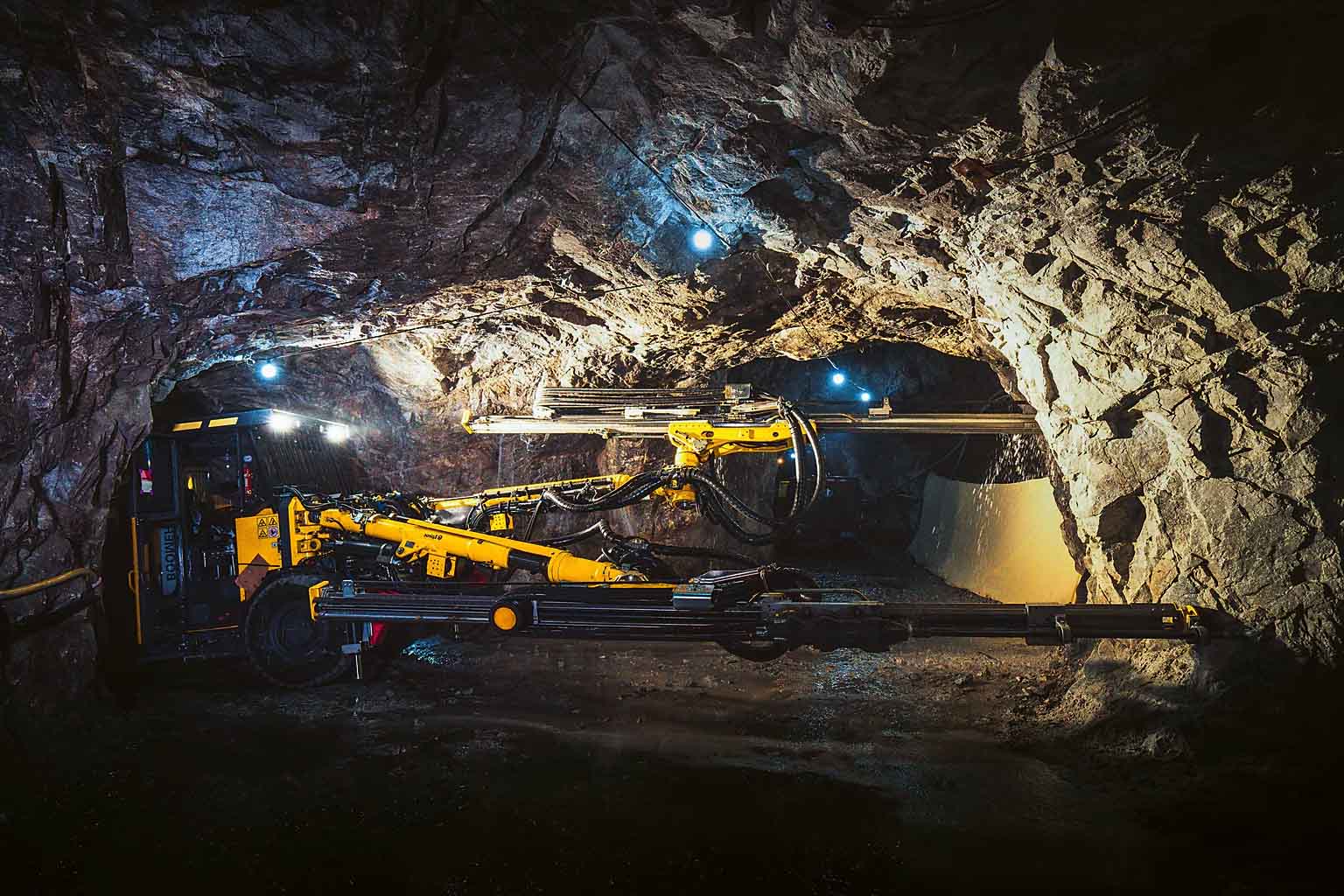
The discovery of what may be one of the world’s largest gold deposits beneath Hunan Province has sent ripples through both geological circles and global commodity markets. Chinese geologists working in the Wangu gold field in Pingjiang County have identified reserves potentially exceeding 1,000 metric tons of gold, with an estimated value of €78 billion. This groundbreaking gold discovery in China represents more than just another mining opportunity—it signals a fundamental shift in global gold distribution and extraction capabilities.
What makes this discovery particularly striking is not just its size, but the circumstances of its revelation. Using sophisticated three-dimensional geological modeling, researchers identified over 40 distinct gold veins extending down to 2,000 meters, with promising indicators continuing to 3,000 meters depth. Some core samples revealed concentrations of 138 grams of gold per metric ton, a figure that transforms theoretical reserves into economically viable extraction operations.
The timing of this discovery carries weight beyond its immediate economic implications. As global supply chains continue to evolve and nations reassess their strategic resource positions, China’s expanded gold reserves provide additional leverage in international commodity markets and monetary policy discussions.
Revolutionary Technology Behind the Discovery
The Wangu gold field discovery showcases how advanced geological exploration is reshaping mineral identification. Three-dimensional geological modeling allowed teams to map underground formations with unprecedented precision, effectively creating digital blueprints of subterranean wealth before committing to expensive extraction operations.
This technological approach represents a departure from traditional prospecting methods. Where previous generations relied heavily on surface indicators and educated guesswork, modern exploration combines geophysical surveys, deep-core drilling, and increasingly sophisticated data analysis. The success in Hunan Province demonstrates how these tools can reveal deposits that conventional methods might have overlooked entirely.
The integration of artificial intelligence in resource mapping has accelerated the interpretation of geological data, allowing teams to identify patterns and correlations across vast datasets. This technological evolution suggests that similar discoveries may emerge as mining companies apply these methods to previously surveyed territories worldwide, much like how archaeologists uncovered a 3,000-year-old village using advanced surveying techniques beneath France.
Economic Implications Beyond Mining
The economic ramifications of this discovery extend far beyond the immediate value of extracted gold. Infrastructure development requirements alone will generate substantial economic activity throughout the region. Transportation networks, energy systems, and processing facilities must be expanded to support large-scale operations at this remote location.
Local employment patterns will shift dramatically as thousands of positions emerge across mining, logistics, and support services. The multiplier effect typically associated with major mining operations suggests that economic benefits will ripple through regional communities for decades. Service industries, housing, and retail sectors generally experience significant growth around major extraction sites.
International investment flows are likely to redirect toward this region as global mining corporations and financial institutions assess partnership opportunities. The scale of investment required for full development creates openings for both domestic and foreign capital participation, potentially reshaping investment patterns across China’s mining sector. Interestingly, while this discovery focuses on large-scale extraction, there are also valuable 22-carat gold sources being overlooked in electronic waste streams.
Global Market Positioning
This discovery positions the Wangu gold field ahead of established reserves like South Africa’s South Deep mine, which contains approximately 900 metric tons. The shift in global gold reserve distribution carries implications for commodity pricing, supply chain security, and international trade relationships.
China’s enhanced position in gold reserves provides additional influence in global precious metals markets, particularly as nations diversify away from traditional reserve currencies. The strategic value of gold reserves extends beyond their monetary worth, serving as economic stabilizers during periods of currency volatility or international uncertainty.
The timing coincides with increased global interest in precious metals as portfolio diversification tools and inflation hedges. Major economies have been reassessing their reserve compositions, making China’s expanded gold capacity particularly relevant to international monetary discussions.
The Environmental Paradox of Deep Mining
Large-scale gold extraction at depths reaching 3,000 meters presents environmental challenges that conventional analyses often minimize. Deep mining operations require substantial energy inputs for ventilation, water management, and material transport from unprecedented depths. The carbon footprint associated with extracting gold from such depths raises questions about long-term sustainability metrics.
Water management becomes increasingly complex as operations extend deeper underground. Groundwater systems at these depths often connect to broader aquifer networks, meaning extraction activities can influence water resources across wide geographic areas. The long-term implications of altering these deep water systems remain poorly understood in many geological contexts.
Land use patterns around major mining operations typically extend far beyond the extraction site itself. Processing facilities, waste management areas, and supporting infrastructure create environmental impacts that persist long after mining operations conclude. The scale of the Wangu discovery suggests these considerations will influence regional environmental planning for generations, similar to how archaeological sites like the 3,000-year-old fortress discovered in Jerusalem require careful preservation planning around urban development.
The confluence of technological capability and geological fortune that revealed this massive gold deposit raises intriguing questions about what other resources remain hidden beneath seemingly well-explored territories. As exploration technology continues advancing, the traditional understanding of global resource distribution may require fundamental revision, with implications reaching far beyond the mining industry itself.