


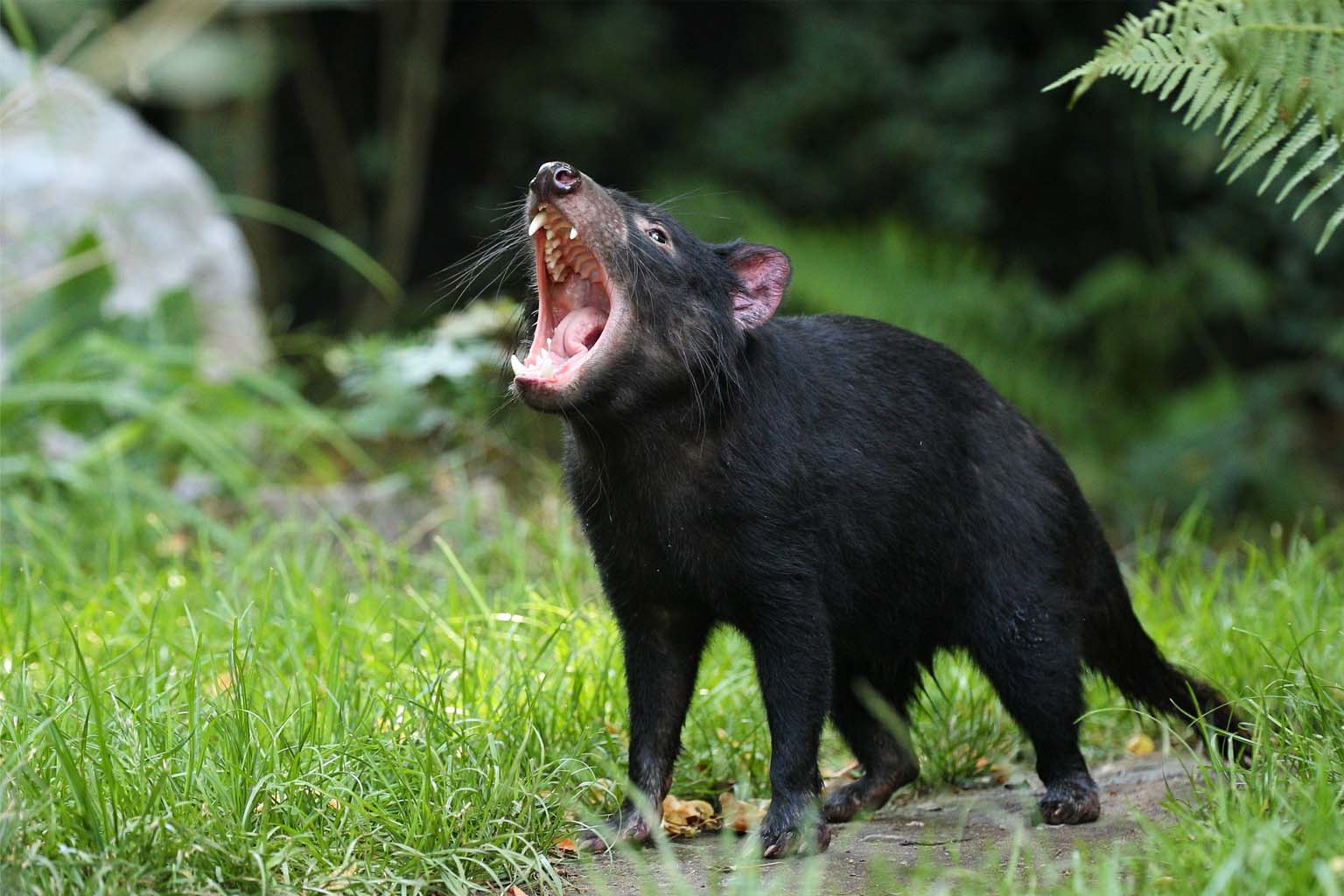
Australia’s wildlife corridors have witnessed countless species disappear over millennia, but rarely do we see the reverse phenomenon. The return of Tasmanian devils to mainland Australia after a 3,000-year absence represents more than symbolic conservation theater. It marks a fundamental shift in how we approach ecosystem restoration on a continent that has lost more mammal species than anywhere else on Earth.
The release of 26 devils into a protected sanctuary in Barrington Tops, New South Wales, comes at a moment when traditional conservation methods have proven insufficient. With Devil Facial Tumor Disease having decimated Tasmania’s population by 90%, leaving only 25,000 individuals, maintaining genetic diversity has become critical for species survival. Yet this reintroduction carries ambitions that extend far beyond saving a single species from extinction.
The timing coincides with Australia’s reckoning over its environmental losses. Recent wildfires consumed over 72,000 square miles, killing nearly 3 billion animals and exposing the vulnerability of ecosystems already under pressure from invasive species and habitat fragmentation. This ecological crisis spans millennia, much like the 3,000-year-old village recently discovered in France, which reveals how human settlements have long shaped natural landscapes.
The Ecological Mechanics of Predator Reintroduction
Tasmanian devils occupy a unique ecological niche as both apex predators and scavengers, a combination that creates cascading effects throughout food webs. Their hunting behavior targets smaller predators like feral cats and foxes, species that have devastated native bird and small mammal populations across Australia. Research published in Conservation Letters indicates that areas with active devil populations show measurably higher survival rates among vulnerable native species.
“Extinction rates would have been 2.9 times higher without conservation interventions, demonstrating the critical importance of predator reintroduction programs” – Conservation Biology research
Their scavenging role proves equally important for ecosystem health. By consuming carrion efficiently, devils reduce disease transmission vectors and prevent the buildup of decomposing matter that can alter soil chemistry and attract pest species. Studies from Tasmania demonstrate that devil-free areas experience increased pathogen loads in wildlife populations.
The 400-hectare sanctuary provides researchers with a controlled environment to observe these interactions in real-time. Radio collars and camera traps will document not just devil behavior, but the responses of other species to their presence. Early indicators suggest native prey species quickly adapt their behavior patterns when devils establish territories.
Genetic Diversity and Population Viability
The devils selected for reintroduction represent carefully curated genetic lines developed over a decade of mainland breeding programs. Aussie Ark’s approach prioritizes reproductive success while maintaining genetic diversity that has been lost in Tasmania’s disease-affected populations. This mainland population now serves as a genetic insurance policy for the entire species.
Experts point out that successful reintroduction requires more than releasing animals into suitable habitat. The devils must establish social hierarchies, territorial boundaries, and breeding partnerships that mirror wild behavior. Captive-bred animals often lack these instinctive behaviors, making the transition challenging. The importance of genetic diversity in species survival parallels discoveries about Neanderthal genetic collapse, which demonstrates how sudden population bottlenecks can doom entire species.
Monitoring protocols track individual devil movements and interactions to identify potential problems early. The data collected will inform future releases and help refine techniques for other species reintroductions planned across Australia.
The Broader Rewilding Framework
Devils represent just one component of an ambitious six-species reintroduction program targeting ecosystem reconstruction. The eastern quoll, brush-tailed rock wallaby, rufous bettong, long-nosed potoroo, parma wallaby, and southern brown bandicoot each fill specific ecological roles that have been vacant for decades or centuries.
This multi-species approach acknowledges that ecosystems function as integrated networks rather than collections of individual species. Each reintroduction builds upon previous ones, creating increasingly complex and stable ecological relationships. The devils, as top-level predators, provide the framework within which smaller species can establish sustainable populations.
Conservation organizations worldwide are watching this experiment closely. Success could validate rewilding as a viable strategy for reversing biodiversity loss on a large scale. The techniques developed in Australia may prove applicable to ecosystem restoration projects across different continents and climate zones. Studies published in Biological Conservation have documented that 100 Australian endemic species, including 34 mammals, face extinction without immediate intervention.
“Australia’s mammal extinction crisis represents the most severe biodiversity loss on any continent, with endemic species disappearing at unprecedented rates” – Biological Conservation research
The Practical Challenges of Species Recovery
Reintroducing apex predators carries inherent risks that extend beyond the target species. Devils possess powerful jaws and aggressive territorial behavior that could create conflicts with other native animals still recovering from previous ecological disruptions. Ecosystem stability depends on gradual adjustment rather than sudden predator pressure.
Disease management remains a constant concern. While the mainland population appears healthy, the confined sanctuary environment could facilitate rapid pathogen transmission if problems arise. Veterinary protocols must balance intervention with allowing natural selection processes to operate. The complexity of managing such programs mirrors archaeological challenges, such as the recent discovery of 3,000-year-old fortress beneath Jerusalem, where preservation requires balancing protection with ongoing research.
The sanctuary’s boundaries create an artificial environment that may not reflect mainland conditions the devils historically encountered. Success within protected areas doesn’t guarantee viability in larger, less controlled landscapes where human activity, vehicle traffic, and competing predators present ongoing challenges. The scale of this undertaking resembles major archaeological projects, like the excavation of quarter million statuettes near ancient Egyptian sites, where success requires meticulous planning and long-term commitment.
Perhaps the most significant question involves measuring success across timeframes that extend far beyond typical research projects. True ecosystem restoration requires generational changes that may take decades to fully manifest. The devils released today represent an investment in ecological processes that current researchers may never witness reaching maturity.