


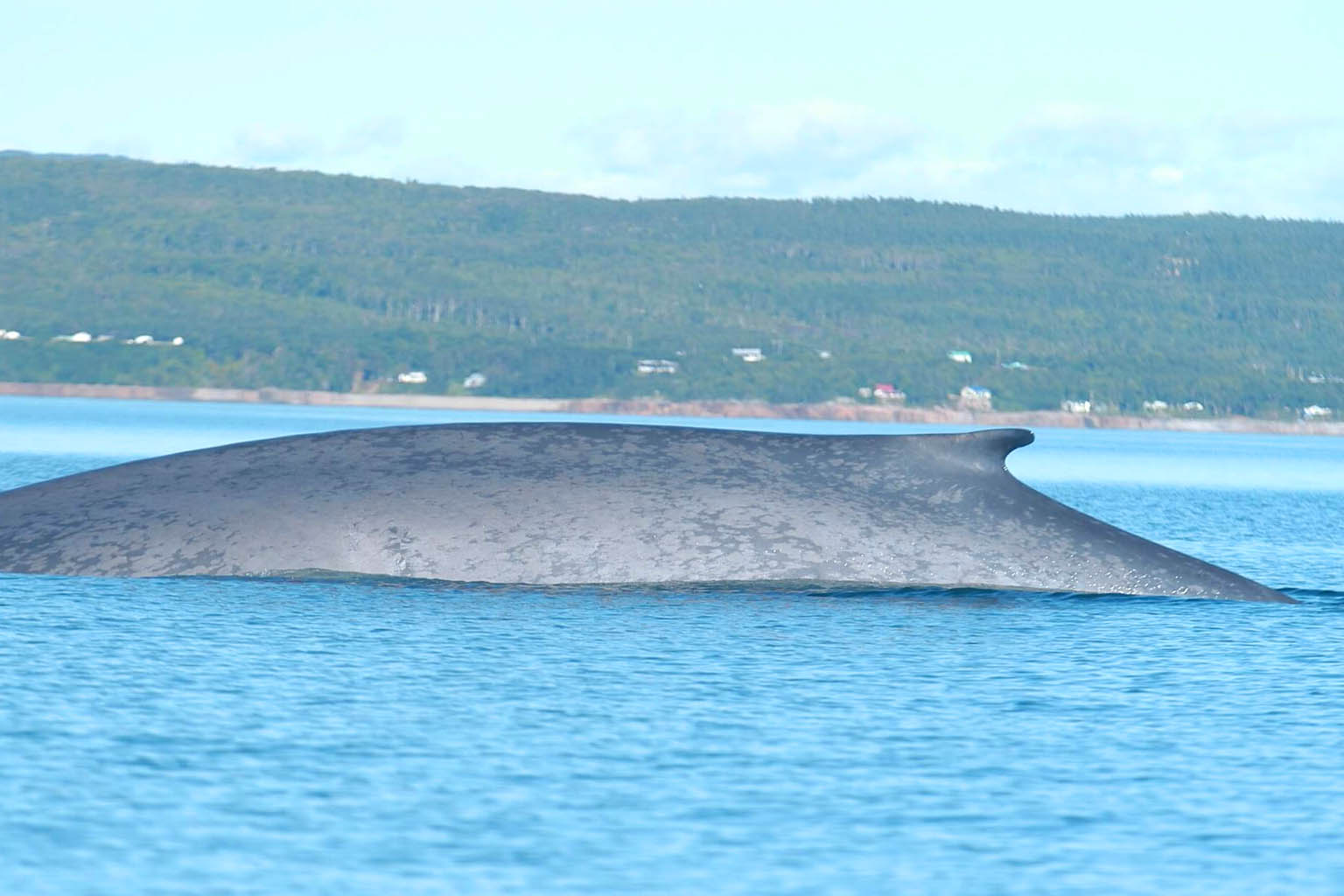
Deep beneath the Pacific’s surface, a solitary voice has been calling out for over three decades. At precisely 52 hertz, this whale’s song cuts through the ocean darkness at a frequency no other whale seems to recognize or answer. While millions of whales navigate the world’s oceans through complex acoustic networks, this single individual appears to exist in complete acoustic isolation.
The discovery emerged from an unlikely source—Cold War submarine surveillance data that accidentally captured one of marine biology’s most enduring puzzles. What makes this whale’s story particularly compelling isn’t just its apparent loneliness, but what it reveals about the vast gaps in our understanding of marine communication. Scientists have tracked this creature’s migrations across thousands of miles, yet nobody has ever laid eyes on it—a mystery as profound as the 5,000-year-old fortification revealed by LiDAR that remained hidden for millennia.
The implications stretch far beyond one whale’s story. This mystery challenges fundamental assumptions about how marine mammals communicate and raises uncomfortable questions about what else might be hidden in the ocean’s depths.
The Accidental Discovery That Changed Marine Biology
The whale’s existence came to light through the Sound Surveillance System, a network of underwater microphones designed to track Soviet submarines. When the Cold War ended and classified acoustic data became available to civilian researchers, marine biologists discovered something extraordinary embedded in decades of recordings.
William Watkins and his team at Woods Hole Oceanographic Institution spent years analyzing these sounds, confirming they belonged to a single individual whose vocal patterns followed predictable seasonal migrations. According to research published by Woods Hole Oceanographic Institution, the whale moved like other baleen whales, covering vast distances between feeding and breeding grounds, yet its 52-hertz frequency fell into a acoustic no-man’s land.
“It had all the repetitive, low-frequency earmarks of a whale call, but at a unique frequency—52 hertz—far higher than the normal 15-to-25-hertz range of other baleen whales” – Woods Hole Oceanographic Institution
Research published in oceanographic journals demonstrated that this frequency was too high for blue or fin whales, which typically communicate between 15 and 25 hertz, yet too structured to be dismissed as random noise. The discovery forced scientists to confront an uncomfortable reality: despite decades of marine research, we might be missing entire conversations happening right under our instruments.
Scientific Theories Behind the Acoustic Isolation
The leading hypothesis suggests the whale might be a hybrid offspring of two different species, possibly a blue whale and fin whale cross. Hybridization in whales, while rare, has been documented and could explain the unusual vocal characteristics that place this individual outside normal communication ranges.
Another possibility centers on a vocal anomaly—a genetic mutation or physical deformity affecting the whale’s sound production. If its vocal cords or resonating chambers developed differently, it might be physically incapable of producing the low-frequency calls that other whales recognize as communication. Like the 5,000-year-old fire altar that challenged assumptions about ancient civilizations, this whale’s unique characteristics force us to reconsider what we think we know about marine communication.
The most intriguing theory suggests this whale represents an unknown population or species that communicates at frequencies marine biologists rarely monitor. This possibility is particularly unsettling because it implies our acoustic surveys might be missing entire whale communities operating outside our detection parameters.
The Growing Threat of Ocean Noise Pollution
Even if other whales could potentially hear the 52-hertz calls, modern oceans present unprecedented challenges for marine communication. Shipping traffic has increased ocean noise levels dramatically, creating an acoustic fog that interferes with whale songs across all frequencies.
Studies on communication masking in marine mammals indicate that whales now need to call louder and longer to communicate over the same distances their ancestors managed effortlessly. For a whale already operating at an unusual frequency, this acoustic masking could make an already difficult situation nearly impossible.
“Low-frequency sound sources and natural contributors to ambient noise create significant masking challenges for marine mammal communication” – Marine pollution research
Military sonar, seismic surveys, and industrial activities add layers of interference that didn’t exist when this whale began its decades-long migration. If it was struggling to connect with others in the relatively quiet oceans of the 1980s, today’s noise pollution may have sealed its acoustic fate. Understanding these patterns becomes as crucial as studying humpback whale migration routes that continue to surprise researchers.
The Technical Challenges Nobody Mentions
The scientific community rarely discusses the profound limitations of current whale tracking technology. Acoustic monitoring can follow a whale’s song across thousands of miles, but visual confirmation requires being in the right place at precisely the right moment when the animal surfaces—an extraordinarily unlikely event in an ocean covering 165 million square miles.
Even sophisticated autonomous underwater vehicles equipped with hydrophones face significant constraints. They can pinpoint a song’s source within several miles, but whales can dive to depths of 1,000 feet or more and surface unpredictably. The technical challenge isn’t just finding the whale—it’s being there when it decides to breathe. This challenge mirrors the complexity archaeologists face when investigating sites like the 1,700-year-old altar at Tikal, where timing and technology must align perfectly to reveal hidden secrets.
More troubling is the possibility that our acoustic analysis methods might be fundamentally flawed. We assume this whale is alone because no other whale responds at 52 hertz, but what if other whales communicate on frequencies or in patterns we haven’t learned to recognize? The ocean might be full of conversations we’re simply not equipped to hear or understand.
Time Running Out on an Ocean Mystery
If this whale belongs to a long-lived species like blue or fin whales, with lifespans reaching 80-90 years, it could theoretically still be alive. However, after more than three decades of recorded calls, it may be approaching the final chapters of its life story.
The race to solve this mystery isn’t just about satisfying scientific curiosity. This whale’s story illuminates broader questions about marine biodiversity and the effectiveness of current conservation efforts. If we can’t locate and identify a single whale we’ve been tracking for decades, what else are we missing in the ocean’s depths?
Future research may eventually provide answers through improved tracking technology or chance encounters, but time appears to be running short. Each year that passes brings us closer to the possibility that the 52-hertz whale’s final call will mark the end of one mystery while leaving countless others unsolved. The real question isn’t just whether this whale was truly alone, but what its story reveals about the vast acoustic universe we’re only beginning to understand.