


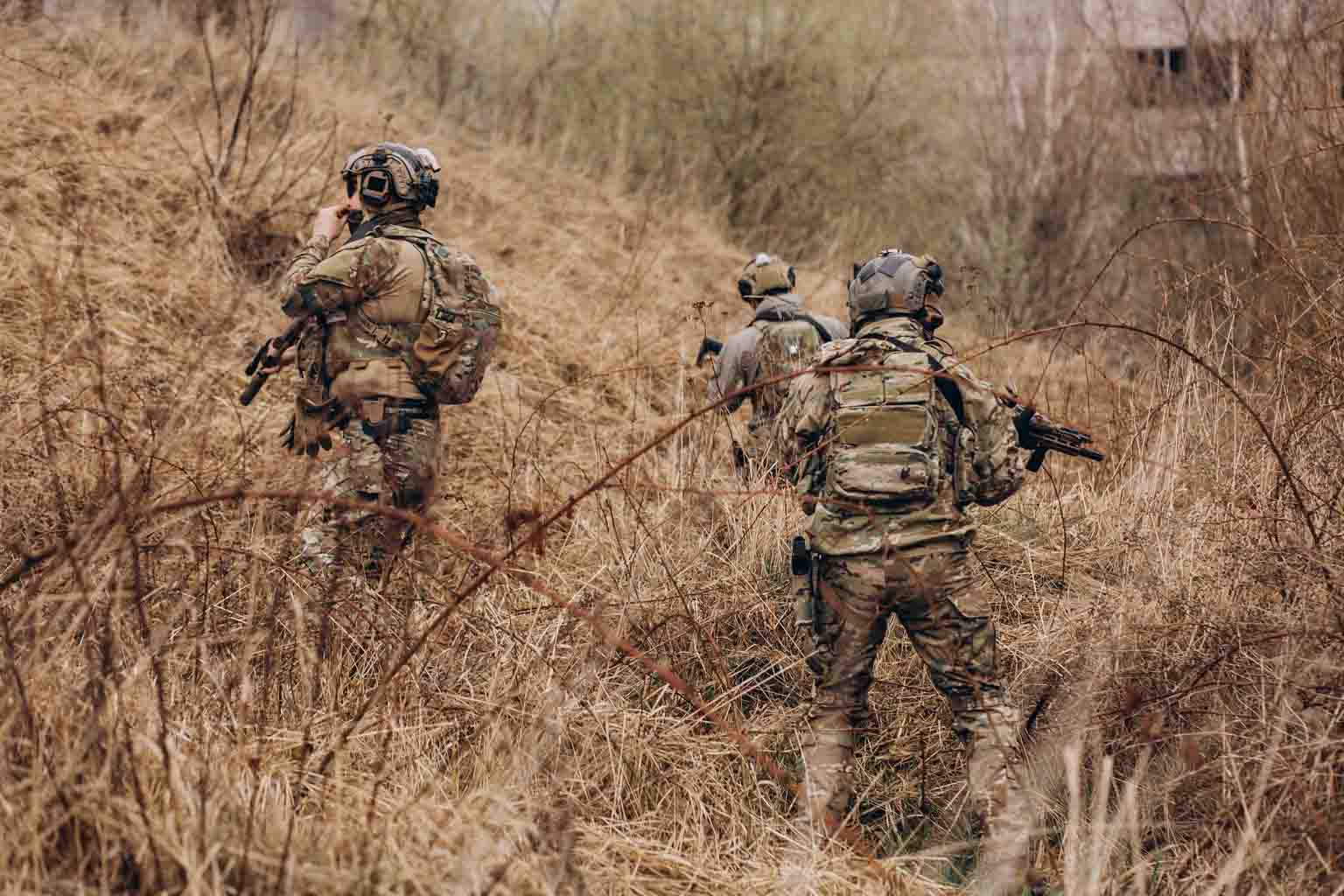
The numbers tell a story that few want to acknowledge: military spending has reached levels not seen since the height of the Cold War, and the gap between superpowers and everyone else is widening at an alarming rate. When the United States allocates nearly $1 trillion to defense in a single year, it signals more than just budgetary priorities—it reflects a fundamental shift in how nations perceive their security in an increasingly unstable world.
What makes these figures particularly striking is not just their scale, but the acceleration. Countries that maintained modest defense budgets for decades are now scrambling to modernize their forces, while established military powers are pushing their spending to historic heights. This isn’t merely about keeping pace with inflation or routine equipment upgrades. The current surge represents a collective recognition that the international order established after World War II is under unprecedented strain, much like how ancient Romanian defenses evolved in response to changing threats over millennia.
The ripple effects extend far beyond military circles. When nations dedicate such massive resources to defense, it inevitably shapes their domestic policies, international relationships, and economic priorities for generations to come.
The American Military Colossus
The $968 billion defense budget of the United States doesn’t just dwarf its competitors—it redefines what military dominance looks like in the 21st century. This figure exceeds the combined defense spending of the next twelve nations, creating a military-industrial complex of unprecedented proportions. The Pentagon’s allocation represents 3.4% of America’s GDP, a level that would cripple smaller economies but barely registers as a burden for the world’s largest economy.
This massive investment reflects strategic calculations that extend far beyond immediate threats. American defense spending encompasses global force projection capabilities, cutting-edge research and development programs, and the maintenance of military installations across every continent. The budget supports not just current operations but the development of next-generation technologies that will determine military superiority for decades ahead.
Yet this dominance comes with its own challenges. The sheer scale of American military spending creates expectations among allies and adversaries alike. Nations increasingly view their own security through the lens of what America can or cannot provide, while potential rivals feel compelled to develop asymmetric capabilities to counter overwhelming conventional superiority.
The Eastern Challenge: China and Russia’s Military Resurgence
China’s $235 billion defense budget represents more than just a number—it symbolizes the most significant military modernization program since the Soviet Union’s Cold War buildup. The 566% increase since 2000 has transformed the People’s Liberation Army from a primarily defensive force into a global power projection capability. When adjusted for purchasing power parity, China’s effective military spending reaches nearly $477 billion, making the true gap with American capabilities smaller than headline figures suggest.
Russia’s approach tells a different story of military priorities. With 6% of GDP dedicated to defense, the highest proportion since the Cold War era, Moscow has essentially placed its economy on a wartime footing. According to research published in Global Policy, military expenditure patterns reveal significant shifts in global power dynamics since the end of the Cold War. The 227% increase in spending since 2000 has focused heavily on nuclear modernization and advanced missile systems, reflecting a strategy that prioritizes deterrence over conventional force projection.
“Global military spending patterns show dramatic shifts in regional power balances, with East Asia and Pacific nations significantly increasing their defense allocations since the Cold War era” – Global Policy research
Both nations are betting that targeted investments in specific military capabilities can offset America’s overall spending advantage. China’s focus on naval expansion and missile technology aims to establish regional dominance in the South China Sea, while Russia’s emphasis on nuclear weapons and electronic warfare seeks to maintain global strategic relevance despite a smaller overall budget. Just as ancient ceremonial centers demonstrated power through strategic positioning, modern military powers use targeted investments to maximize their strategic influence.
Europe’s Reluctant Rearmament
The war in Ukraine has shattered European assumptions about security that persisted since the end of the Cold War. Germany’s $86 billion defense budget represents the most dramatic shift, marking the largest military investment since World War II for a nation that had deliberately maintained minimal defense capabilities. This transformation reflects not just changing threat perceptions but a fundamental recalibration of Germany’s role in European security.
Poland’s near-doubling of military spending since 2022 illustrates how geography shapes defense priorities. The $28.4 billion budget for a nation of fewer than 40 million people demonstrates the premium placed on deterrence by countries closest to potential conflict zones. Poland’s investments in tanks, fighter jets, and missile defense systems signal a shift from relying on allies to building independent defensive capabilities, reminiscent of how ancient defensive structures were strategically positioned to protect vital territories.
France and the United Kingdom maintain their traditional roles as Europe’s primary military powers, but their budgets increasingly reflect global rather than purely regional responsibilities. France’s $64 billion allocation supports operations across Africa and the Indo-Pacific, while Britain’s spending includes substantial commitments to cybersecurity and naval defense that extend well beyond European waters.
The Economic Reality Behind Military Expansion
The surge in global military spending reflects economic calculations that extend far beyond immediate security concerns. Defense budgets have become tools of industrial policy, driving technological innovation and maintaining manufacturing capabilities that nations consider strategically essential. Countries view military spending not just as necessary overhead but as investments in advanced technologies that eventually filter into civilian applications.
Data from the World Bank reveals how military expenditure as a percentage of GDP varies dramatically across nations, reflecting different strategic priorities and economic capabilities. Research indicates that military spending creates different economic impacts depending on a nation’s industrial base and technological capabilities. For countries with advanced defense industries, increased military budgets can stimulate innovation and maintain high-skilled employment. Nations without domestic defense manufacturing capabilities often find that military spending becomes a significant drain on foreign exchange reserves.
The concentration of defense spending among a relatively small number of countries also creates dependencies that shape international relationships. Smaller nations must choose between developing expensive indigenous capabilities or accepting reliance on major powers for their security needs.
The Psychological Dimension of Military Competition
The current arms buildup reflects psychological factors that traditional security analyses often overlook. Military spending has become a form of international signaling, where budget announcements serve diplomatic purposes as much as operational requirements. Nations use defense allocations to demonstrate resolve, signal commitments to allies, and communicate deterrent messages to potential adversaries.
This psychological aspect creates feedback loops that can drive spending beyond rational security requirements. When one nation announces military modernization programs, neighbors feel compelled to respond with their own investments, regardless of whether the original spending represented an actual threat. The result is a form of competitive dynamic that can persist even when the underlying security environment remains stable. Understanding these patterns requires examining how civilizations have historically documented and communicated their strategic thinking, much like prehistoric cave etchings that revealed complex territorial and strategic awareness.
The human cost of this competition extends beyond financial resources to include opportunity costs in education, infrastructure, and social programs. Countries dedicating substantial portions of their national budgets to military purposes inevitably face constraints in other areas of government investment.
“Military expenditure patterns demonstrate how nations balance immediate security needs against long-term economic development priorities” – Stockholm International Peace Research Institute
The trajectory of global military spending raises fundamental questions about the kind of international system emerging from current tensions. Whether this buildup represents preparation for conflicts that may never come or necessary investments in maintaining an unstable peace remains one of the defining questions of our era. The answer will likely determine not just military outcomes but the shape of international relations for the remainder of the 21st century.