


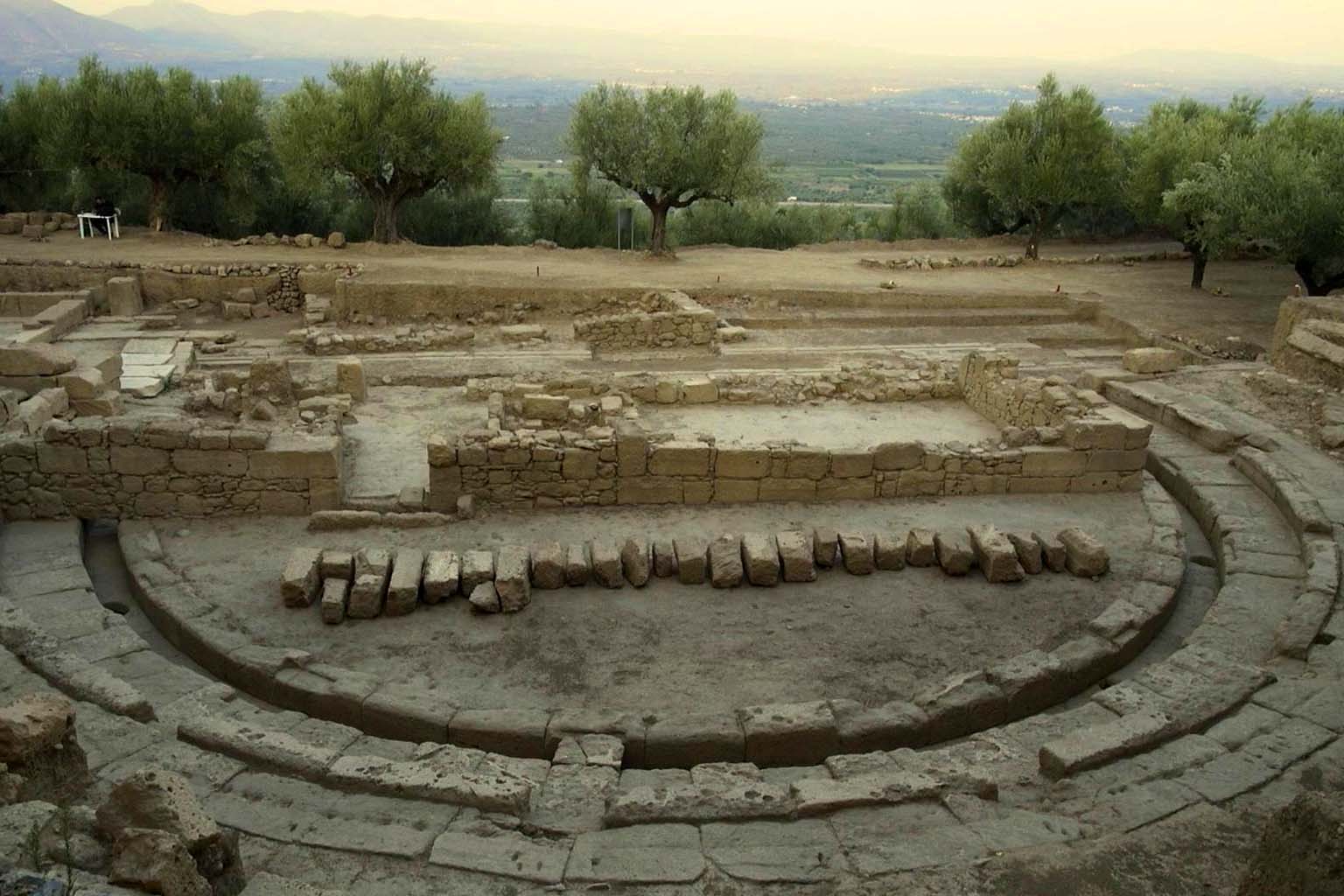
The ancient Greek city of Teos, nestled along Turkey’s western coastline, has spent centuries quietly guarding its secrets beneath layers of accumulated earth and time. While archaeological attention has traditionally gravitated toward more prominent sites like Ephesus or Troy, this once-thriving cultural hub is finally revealing the sophisticated complexity that made it a cornerstone of Hellenistic civilization. Recent excavations are painting a picture far richer than the simple religious center many historians had assumed, joining other significant discoveries like the lost temple Peru findings that continue to reshape our understanding of ancient organized spirituality.
What emerges from the careful work of archaeologists is a city that seamlessly blended political innovation, artistic excellence, and religious devotion in ways that influenced the broader Mediterranean world. The discoveries challenge our understanding of how provincial Greek cities maintained their identity while adapting to shifting powers, particularly as Roman influence gradually reshaped the ancient landscape.
The Political Heart Reveals Its Stories
The bouleuterion, Teos’ ancient council building, stands as the excavation’s crown jewel. This remarkably preserved structure functioned as the nerve center where city officials debated policies and made decisions that affected thousands of residents. Built during the third century BCE, the building represents more than architectural achievement—it embodies the democratic ideals that defined Greek civic life.
Research indicates that the bouleuterion underwent significant modifications during the Roman period, transforming from a purely political space into a venue for public performances. This shift reflects the broader cultural changes sweeping through Greek cities as they adapted to Roman rule while attempting to preserve their Hellenic heritage. The building’s evolution tells the story of a community navigating between tradition and adaptation, similar to patterns observed in the Roman village discovery in Bulgaria where cultural transitions are equally evident.
Artistic Treasures Hidden in Plain Sight
The Hellenistic mosaics discovered within the bouleuterion represent some of the finest artistic work uncovered in the region. The most striking features two fighting cupids, figures associated with Eros but clearly connected to Teos’ patron deity, Dionysos. This artistic choice reveals the sophisticated theological and cultural thinking that characterized the city’s intellectual class.
These mosaics, dating to the 3rd century BCE, demonstrate technical mastery that rivals work found in major metropolitan centers. The craftsmanship suggests that Teos attracted skilled artists and possessed the economic resources to commission elaborate decorative programs. The iconography also indicates that religious and cultural themes were seamlessly integrated into civic spaces, creating environments where politics and spirituality intersected naturally. Such sophisticated ancient building design parallels discoveries in Minoan Crete, where architectural innovation similarly reflected complex cultural values.
The Dionysian Guild’s Rise and Erasure
Perhaps the most intriguing discovery involves a partially erased inscription on the bouleuterion’s facade. Originally honoring the Dionysian Guild, this inscription was deliberately defaced, leaving only traces of what must have been a prominent public acknowledgment. The guild represented a powerful collective of performers, musicians, and artists who wielded considerable cultural and political influence throughout the ancient world.
Evidence suggests that Teos served as one of the earliest cities to formally institutionalize artistic guilds, creating organizational structures that traveling performers relied upon throughout the Mediterranean. The guild’s eventual removal from official records reflects the political tensions that emerged as traditional Greek institutions encountered Roman administrative systems. This erasure represents a deliberate attempt to rewrite the city’s cultural narrative.
The Overlooked Dynamics of Cultural Transition
What traditional archaeological narratives often miss is the psychological impact these political and cultural transitions had on ordinary citizens. The transformation of the bouleuterion from a political meeting space to an entertainment venue represents more than architectural repurposing—it signals a fundamental shift in how communities understood civic engagement and cultural expression.
Studies of similar transitions in other Greek cities suggest that residents experienced these changes as both loss and opportunity. While traditional political participation diminished under Roman administration, new forms of cultural expression emerged. The preserved mosaics and modified buildings at Teos provide physical evidence of this complex negotiation between heritage preservation and cultural adaptation, much like recent discoveries such as the Hårby Valkyrie that reveal how individuals navigated changing social roles in ancient societies.
The careful documentation of Teos’ evolution offers insights that extend far beyond this single site, revealing patterns that likely characterized dozens of other Greek cities navigating similar transitions. As excavations continue, each new discovery adds nuance to our understanding of how ancient communities maintained their essential character while adapting to dramatically changing political realities.