


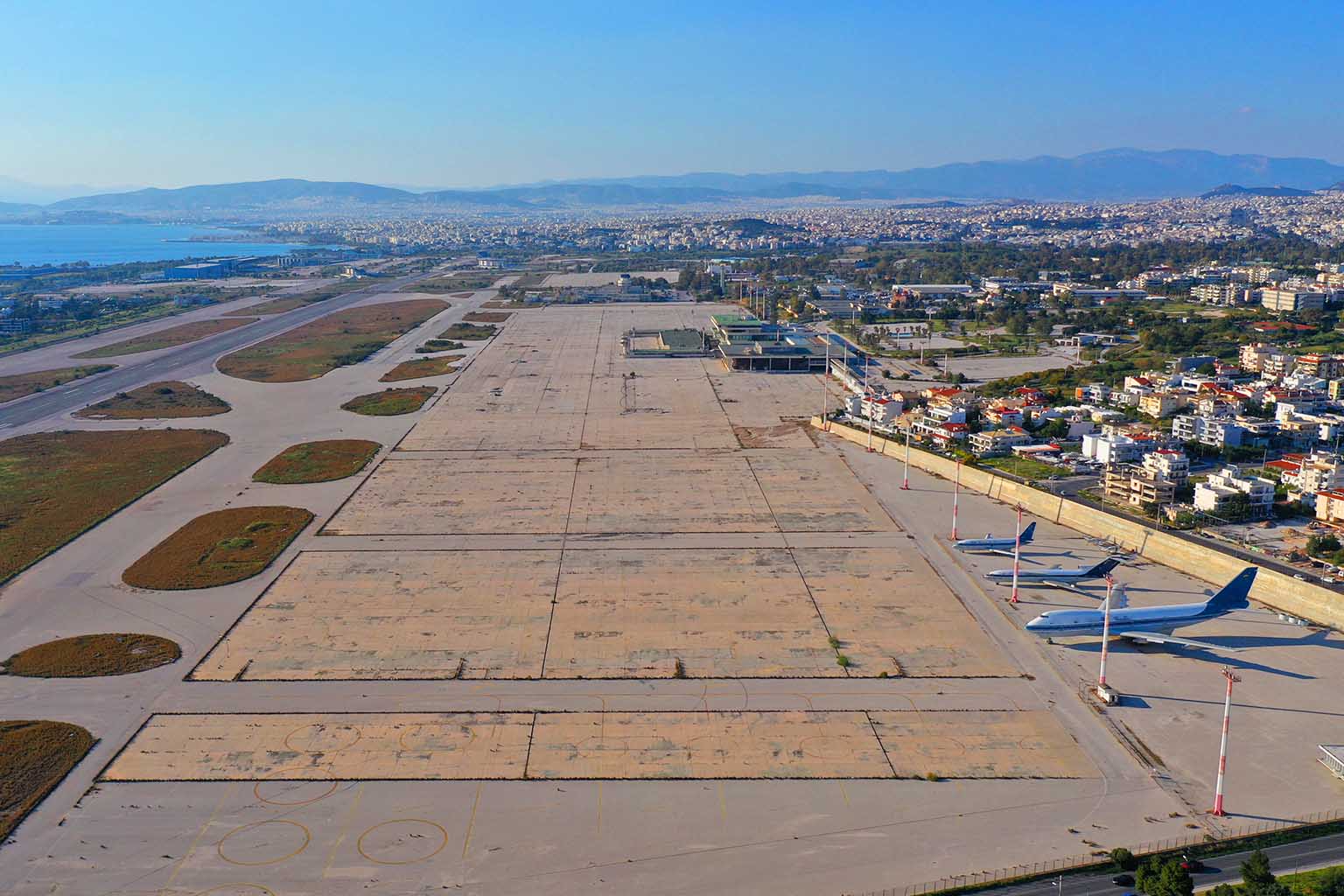
The story of Ciudad Real Central Airport reads like a cautionary tale of ambitious dreams meeting harsh reality. What began as Spain’s answer to aviation congestion became one of the most spectacular infrastructure failures in modern history. Built during the country’s construction boom with a price tag exceeding $1 billion, this facility now stands as a monument to misplaced optimism and poor planning.
The airport’s journey from billion-dollar project to bargain-basement sale reveals much about the dangers of building infrastructure without securing actual demand. When it finally sold in 2018, the price was so dramatically reduced that it barely covered the cost of a luxury home in Madrid. This dramatic fall from grace offers insights into how major infrastructure projects can fail spectacularly when location, market analysis, and realistic planning take a backseat to grand visions – much like how ancient Mesoamerica saw ambitious construction projects that sometimes outlasted their original purposes.
The Ambitious Vision That Ignored Market Reality
Ciudad Real Central Airport was conceived during Spain’s mid-2000s economic boom, when construction projects seemed to guarantee success. The facility boasted impressive specifications: a 4,000-meter runway among Europe’s longest, a terminal designed for 10 million passengers annually, and cargo capacity for 47,000 tonnes. These numbers looked compelling on paper, suggesting a facility ready to compete with major European hubs.
The fundamental flaw lay in its location. Positioned 150 miles south of Madrid, the airport sat in relative isolation without the urban population density or business activity needed to sustain commercial aviation. Airlines require passengers, and passengers require convenience. No amount of impressive infrastructure could overcome the basic inconvenience of traveling to a remote location when Madrid-Barajas offered better connectivity and accessibility.
Research in aviation economics consistently shows that airport success depends heavily on catchment area population and business activity within a reasonable travel radius. Studies on infrastructure project failures demonstrate that Ciudad Real violated these basic principles, banking instead on the hope that low construction costs and reduced congestion would attract budget carriers willing to sacrifice passenger convenience for operational savings.
“Infrastructure projects often fail due to inadequate assessment of economic impact, social benefits, and sustainability factors during the planning phase” – Infrastructure research analysis
The Auction Spectacle and Fire Sale Reality
By 2013, the airport’s financial situation had become untenable. The initial auction set a starting price of $100 million, already representing a massive loss from the original investment. When no buyers emerged at that price point, the situation descended into what can only be described as surreal territory.
The attempted $10,000 purchase by a Chinese investment firm in 2015 highlighted how completely the market had rejected the facility’s commercial viability. This price point was lower than many used cars, creating headlines that emphasized the dramatic disconnect between construction costs and actual market value. Spanish courts blocked this sale, recognizing that it excluded key facilities and represented an unrealistic valuation.
The eventual 2018 sale for $56.2 million provided some dignity to the process, though it still represented less than six percent of the original investment. This price reflected the reality that buyers were essentially purchasing land and buildings rather than a functional airport business. Research on megaproject risk factors shows how such dramatic value losses result from cascading failures in planning and execution.
Alternative Uses and Unexpected Revenue Streams
Rather than fulfilling its intended purpose, Ciudad Real Central found new life serving niche markets that its designers never anticipated. During the COVID-19 pandemic, the facility became valuable as aircraft storage space, accommodating grounded planes when airlines worldwide faced unprecedented operational shutdowns.
The entertainment industry discovered the airport’s potential as a filming location, taking advantage of its modern but empty facilities to create realistic aviation scenes without the complications of operating airports. This use generated modest revenue while highlighting the facility’s primary asset: impressive infrastructure in a controlled, quiet environment – similar to how archaeological sites like the 5,000-year-old fire altar in Peru’s Supe Valley found new purposes beyond their original ceremonial functions.
Private aviation services occasionally used the airport, though this represented a fraction of the commercial volume originally projected. These alternative uses demonstrate how infrastructure can find unexpected purposes, even when its primary function fails completely.
The Psychological Impact of Monumental Failures
Beyond the financial losses, Ciudad Real Central Airport represents something deeper about human psychology and project development. Studies in behavioral economics suggest that large-scale infrastructure projects often suffer from optimism bias, where planners consistently underestimate challenges while overestimating benefits.
The airport’s failure affected not just investors but entire communities that had anticipated economic development and job creation. Local businesses had prepared for increased activity that never materialized, creating ripple effects throughout the regional economy. This human cost rarely appears in financial calculations but represents a significant consequence of failed infrastructure planning – much like how discoveries of 3,000-year-old villages reveal the lasting impact when ancient communities faced similar economic disruptions.
“Megaproject failures result in cost overrun, time extension, environmental disruption and significant impact on financiers and stakeholders, highlighting inadequacies in planning processes” – Megaproject risk assessment research
The facility also serves as a stark reminder to aviation industry professionals about the importance of market research over impressive specifications. Airport terminals and runways are merely tools; without passenger demand and airline commitment, even the most sophisticated facilities remain empty shells. Historical parallels exist in structures like the 3,000-year-old fortress discovered beneath Jerusalem, which also required strategic positioning and sustained use to fulfill their intended defensive purposes.
The ghost airport phenomenon extends beyond Spain, with similar failures occurring worldwide when ambitious infrastructure projects ignore fundamental market principles. Ciudad Real Central Airport will likely remain a case study for future planners, demonstrating that successful infrastructure requires more than impressive engineering and substantial investment. It requires realistic assessment of actual demand and genuine commitment from the industries meant to use these expensive facilities.