


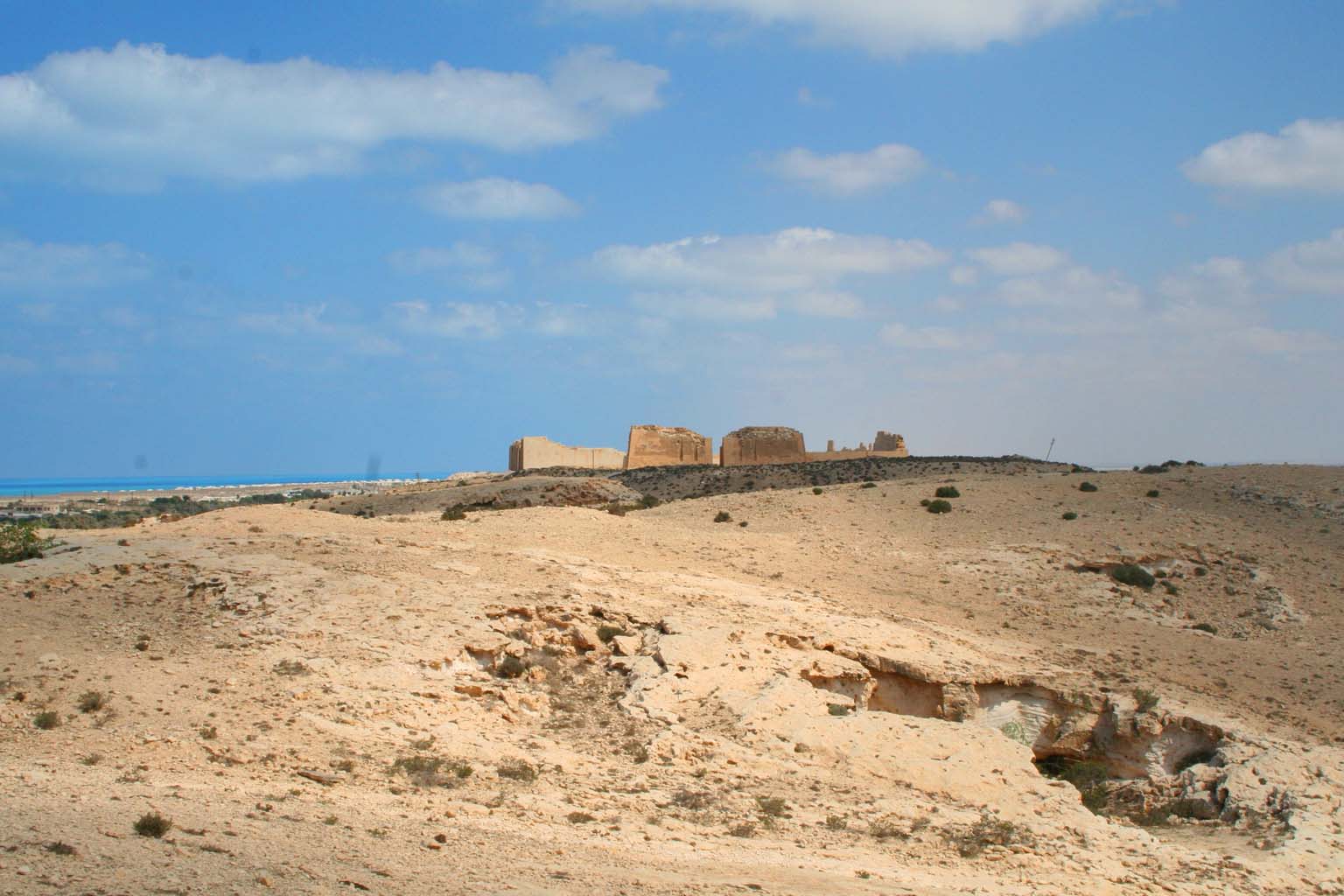
Cleopatra’s tomb has long been a source of intrigue, mystery, and scholarly debate. As archaeologists peel back the layers of ancient Egypt, a new and electrifying clue has emerged beneath the sands of Taposiris Magna, an old city brimming with historical weight. Could we be on the cusp of unraveling one of history’s most tantalizing enigmas?
Cleopatra’s Tomb: A Discovery Like No Other
In the shadow of time, beneath an ancient temple dedicated to Osiris and Isis, a tunnel stretches unseen, waiting for the world to cast its eyes upon it. This “geometric miracle,” as some experts call it, lies 13 meters underground—an incredible engineering feat that echoes with whispers of the past. But what truly captivates the world is the notion that this tunnel might lead to Cleopatra’s elusive tomb. According to a recent report, the subsea corridor has stirred the archaeological world with its potential to unlock the whereabouts of Egypt’s iconic queen.
A Journey Through Engineering History
Take a moment to appreciate the tunnel itself, a marvel reminiscent of the Tunnel of Eupalinos on the island of Samos. Measuring over 4,265 feet long, the ancient Greeks knew a thing or two about engineering precision. Yet here, at Taposiris Magna, the Egyptian architects of yore may have outdone even their Greek counterparts. The tunnel spans over 1,300 meters—its purpose still a mystery. But its existence stirs a hunger to understand the genius of those who came before us.
Clues Embedded in Ruins
Intrigued? You should be. Archaeologist Kathleen Martinez believes strongly that Taposiris Magna might conceal the resting place of Cleopatra VII. Coins bearing the queen’s likeness, alongside figures of Alexander the Great, hint at connections woven ages ago. The site, with its temple to Osiris and Isis, reinforces this possibility. The city’s founding by Ptolemy II—a descendant of one of Alexander’s generals and an ancestor of Cleopatra—adds yet another thread to this historical tapestry.
Submerged Secrets and New Frontiers
There’s an undeniable sense of anticipation as archaeologists gear up for further exploration. Submerged parts of the temple, possibly due to ancient earthquakes, hint at treasures hidden beneath the waves. Future underwater expeditions aim to unmask whether Cleopatra’s final resting place lies here—or if the tunnel holds other fabled secrets. Ponder, for a moment, the excitement of unsealing history itself.
Impact of Unearthing Cleopatra’s Tomb
Imagine the spectacle—a world where Cleopatra’s tomb finally reveals its truths. How would this transform our understanding of the Ptolemaic dynasty, of ancient Egypt itself? A revelation of this magnitude could redefine archaeological history, introducing an era where myths meet reality. Think of the implications: historical narratives potentially rewritten, burial practices reunderstood, cultural legacies rediscovered.
“The impact of such a discovery would be seismic,” noted a spokesperson from the Egyptian Ministry of Antiquities. “It could reshape our knowledge of the ancient world.”
Continuous Discoveries Captivate the World
Taposiris Magna’s allure isn’t going anywhere soon. Recent finds include a plethora of Greco-Roman burials, mummies, statues—each piece a puzzle leading back through time. Remember the excavation that unearthed a 3,000-year-old gold processing complex? Not to mention the sacrificial offerings and inscriptions suggesting royal significance, perhaps even rulers like Thutmose I or II.
These revelations act as windows into a past world, instilling a renewed appreciation for ancient cultures. Our fascination with these discoveries lies not only in their grandeur but also in their capacity to inspire awe and wonder. We’re looking upon the same artifacts that ancient Egyptians once did—and that’s a thrilling thought, isn’t it?
As we await the next chapter of this archaeological saga, the world watches, breathes deeper, and wonders: What will tomorrow reveal off the shore of an ancient city, now danced upon by the Mediterranean breeze? Keep your eyes peeled, and be ready to dive into history as it’s unearthed—piece by ancient piece.