


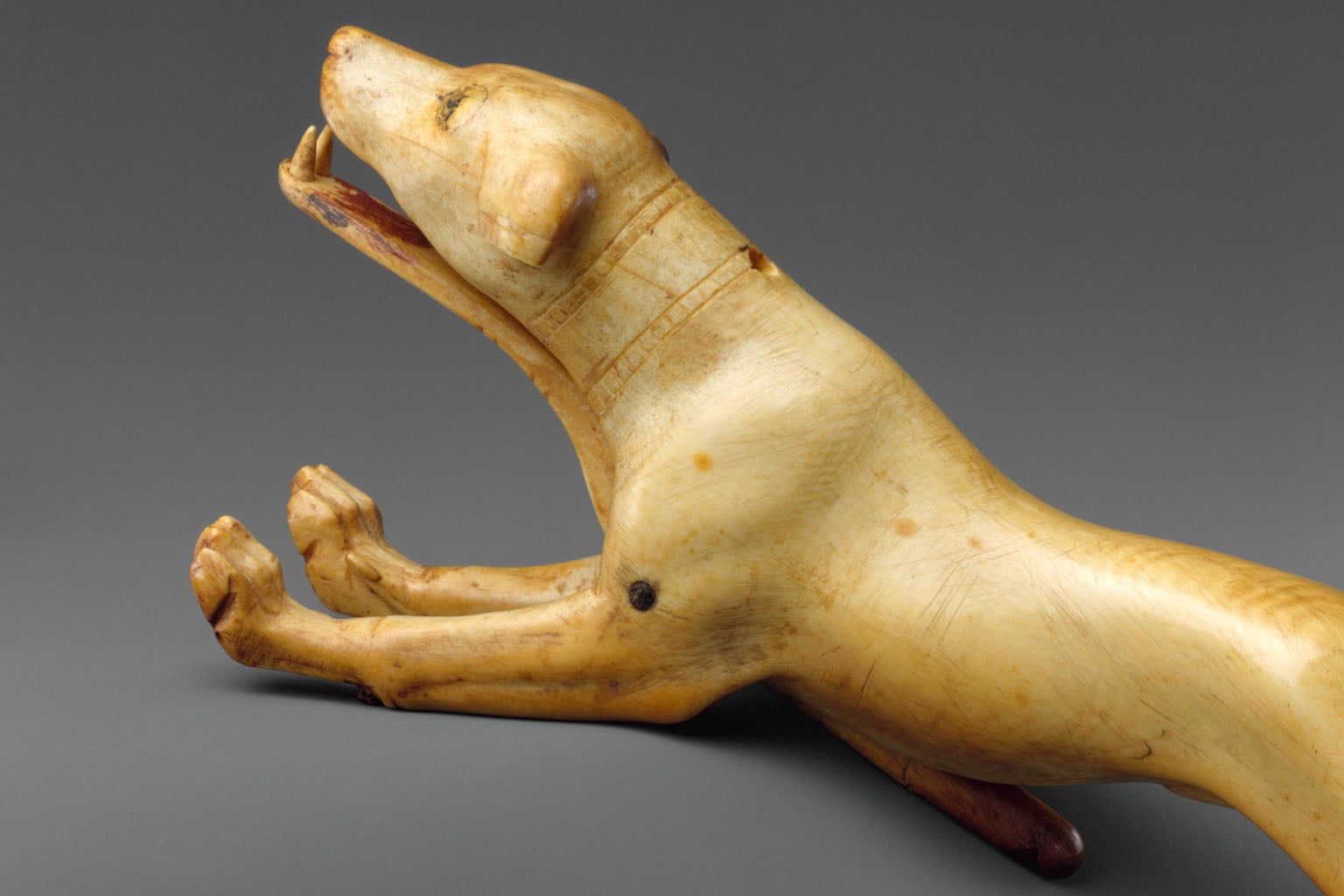
Imagine stumbling upon an ancient artifact that seems to defy time itself — a mechanical dog, carved 3,400 years ago, that not only moves but also barks! It’s the kind of discovery that makes you pause and rethink everything you thought you knew about the ancients. This intricate creation from ancient Egypt isn’t just a relic; it’s a testament to a bygone era’s ingenuity and love for artistry.
Surprisingly well-preserved, this mechanical dog dates back to the time of Amenhotep III, one of the most prosperous pharaohs of Egypt. The artifact is now housed at The Metropolitan Museum of Art, inviting admirers to question its purpose: Was it merely a toy, a ceremonial object, or something else entirely?
The Discovery and Craftsmanship Behind the Mechanical Dog
Discovered by Howard Carter, the archaeologist who famously brought King Tutankhamun’s tomb to light, this dog stands out in an array of ancient objects. Though its original resting place remains a mystery, experts believe it was possibly interred with someone of stature from Amenhotep’s royal court.
The sculpture is dynamic — the kind that captures movement and energy. Its 7.2-inch-long frame isn’t just about looks; it’s also functional. The mouth opens and closes, mimicking a barking dog, thanks to a small lever mechanism. Once, this movement was orchestrated by a leather cord, later replaced by a modest metal dowel. This wasn’t merely a toy; its intricate craftsmanship and use of elephant ivory hint at its former prestige, perhaps belonging to an elite family or even royalty.
Carved with a lifelike degree of detail, the dog’s fur appears real, its body sleek, and its neck marked by what seems like a collar. One might wonder, was it simply a domesticated pet, or did it represent something profound in ancient Egyptian culture?
Was the Mechanical Dog a Toy or a Ritual Object?
The question of its purpose hangs in the air. Given its animatronic-like abilities, one theory posits that the mechanical dog served as a plaything for a royal child. The New Kingdom period, stay with me here, was known for its elaborate objects for the upper echelon — items like board games, dolls, and, yes, interactive figurines were not uncommon.
Alternatively, could it hold a greater ceremonial meaning? Dogs occupied a significant place in Egyptian belief, often associated with the afterlife. Anubis, the deity of mummification and the after-life journey, was envisioned with a jackal’s head. Some scholars suggest that the dog may have been part of a funerary ritual, ensuring safe passage for its owner or serving as a cherished companion on the journey to eternity.
According to a report by The Met Museum, artifacts like this intricate mechanical dog symbolize the ancient Egyptians’ admiration for their canine companions as guardians and guides in life and death.
Roles of Dogs in Ancient Egyptian Life
In ancient Egypt, dogs were indispensable—protectors, hunters, and loyal companions. They worked alongside Egyptians and shared in the daily grind of life. These creatures didn’t just fade into history; they were cherished enough to earn burials alongside their owners. It’s telling that during the New Kingdom period, dog collars became luxurious, inscribed with names like “Blackie,” “Good-for-Nothing,” and “Son of the Moon.” Each name reflected a personal story, a bond between dog and master, wrapped in affection.
This relationship wasn’t just practical; it was spiritual. Dogs in ancient Egypt were revered, part of a larger religious tapestry woven with symbolism. Anubis stands as a testament to this, his image intertwined with death and afterlife beliefs. Killing a collared dog was grave, an act that could bring down more than just worldly disapproval—it was a strike against the spiritual order.
What Breed Could This Mechanical Dog Have Represented?
Determining the breed of this mechanical marvel is a challenge that keeps archaeologists puzzling. Yet, Egyptian art from that age portrays dogs with similar agility and grace. Slender with long limbs and erect ears, dogs like Basenjis, Ibizan Hounds, and Pharaoh Hounds spring to mind—swift hunters and loyal companions, capturing the essence of what these ancient Egyptians prized.
The Basenji, famed for its intelligence, aligns charmingly with its carved counterpart. Meanwhile, the regal Pharaoh Hound and Ibizan Hound, both mosaic in Egyptian artistry, echo the elegance and capability valued over three millennia ago.
All these breeds were not just loyal forces but emblematic, intertwining the fabric of daily life with the eternal mysteries of the ancient world.
Indeed, this mechanical dog stands as a fascinating chapter in human history. It invites us to pause, ponder, and connect with a past where even ancient toys could bark tales of innovation and cultural warmth. An object not only of historical interest but of timeless curiosity.
So, next time you delve into the mysterious world of ancient Egypt, let this mechanical dog remind you—there’s always something remarkable, just waiting to be discovered. And who knows, maybe one day we’ll unravel its secrets. Want to see more? Visit Journals Of Indian to broaden your horizons.