


Every now and then, archaeology makes a discovery that leaves experts thrilled and the rest of us in awe. Just imagine the scene: a team of dedicated researchers, half-covered in dust, stands in the glaring sun, beaming at the entrance of a previously unknown royal tomb. It’s not just any tomb but one belonging to a forgotten pharaoh. The buzz around Egypt’s Mount Anubis necropolis is palpable, with this find potentially altering our understanding of ancient Egyptian dynasties.
Unraveling the Mystery of the Lost Pharaoh
There’s something incredibly fascinating about the notion of a “lost pharaoh.” The tomb uncovered in the Mount Anubis necropolis is enveloped in mystery and anticipation. This joint Egyptian-American team, diligent in their pursuits, may have found a crucial piece of history within this limestone burial chamber, hidden six feet beneath the surface.
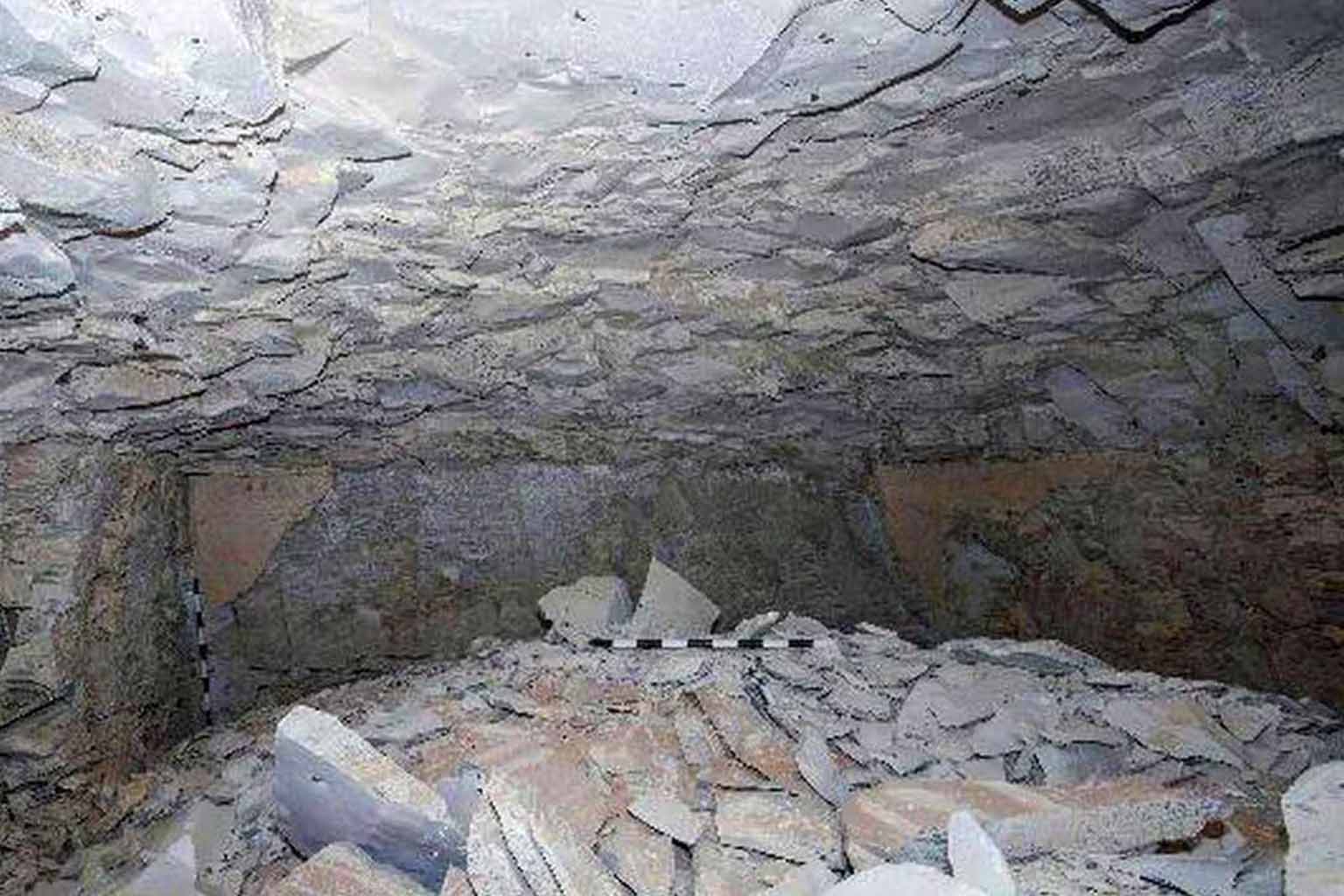
According to the Egyptian Ministry of Tourism and Antiquities, the chamber is characterized by a limestone structure, ingeniously covered with mudbrick vaults that bear inscriptions mentioning the goddesses Isis and Nephthys. Sadly, much of these inscriptions are not intact, eroded by time and the elements. You can almost picture the traces of history slipping away under their fingers.
Mount Anubis: A Relic of Sacred Traditions
Standing at Abydos, within Egypt’s Sohag province, Mount Anubis isn’t just an ordinary peak in the desert cliffs — it’s seen as a sacred burial site. Named for its pyramidal peak, believed to be a critical part of Senwosret III’s mortuary complex, it holds whispers of those who were laid to rest there.
Abydos has been known as a crucial religious hub and a political power center, particularly during the Abydos Dynasty. An era plagued by political chaos and competing dynasties, there’s a story behind every stone and sand dune that reflects the fragmentary rule of the time. Much like putting together pieces of a puzzling jigsaw, archaeologists try to piece together the lives and reigns of these rulers from minimal evidence.
An Architectural Tradition Revived
Take a look at the tomb’s architectural style, and you’ll notice a resemblance to another find from 2014 — the tomb of Woseribre Senebkay. According to Dr. Joseph Wagner of the University of Pennsylvania, who led both excavations, this similarity suggests that these local rulers might have adhered to a consistent burial tradition during the troubled Second Intermediate Period. It’s remarkable—and somewhat surprising—that in such chaotic times, some traditions held firm.
Inside the tomb, faint echoes of the past appear in the form of yellow inscription bands—once bright, now only faintly hinting at the pharaoh’s name. Yet, even this gentle reminder might hold the key to unlocking the mysteries locked within these ancient walls.
The Tomb’s Hidden Clues
With inscriptions partially detailing the presence of Isis and Nephthys, scholars speculate that the tomb’s occupant hailed from high status. The presence of these goddesses, often associated with protection and the afterlife, suggests a desire—or perhaps a plea—for divine safeguarding beyond the grave. While the tomb’s original texts are eroded, leaving us with mere fragments, each piece hints at the grandeur once known.
On a slightly different note, why were these inscriptions preserved at all when others faded? Was it merely luck, or something else at play? The deeper archaeologists dig, the more they uncover questions as mesmerizing as the answers.
Unlocking Ancient Mysteries
For Egyptology, the significance of discovering this unknown royal tomb cannot be overstated. The Second Intermediate Period remains a shadowy chapter of Egypt’s vast history, surrounded by intrigue and speculation. Finding an unrecorded ruler here could upend existing narratives about the region’s power dynamics during this period.
Dr. Mohamed Ismail Khaled, Secretary-General of the Supreme Council of Antiquities, expressed the impact of this discovery by stating that it “provides fresh evidence of royal burial practices in the region and offers a deeper understanding of the complex political landscape of that era.” This isn’t just about artifacts; it’s about breathing life into dusty pages of forgotten chapters and challenging—and possibly rewriting—historical accounts.
The Egyptian Ministry of Tourism and Antiquities plans to delve deeper with ongoing excavations. They aim to uncover more inscriptions, analyze the burial artifacts, and explore the possibility of additional tombs lying in wait. These efforts maintain that ever-elusive spark of discovery alive.
The Call of History Awaits
So, what should we take from all this? Simply put, history constantly calls out to us, urging for rediscovery and re-evaluation. As new chapters in ancient Egypt’s vast archive unfold, there’s an open invitation for us all to partake in the unfolding mystery—whether as tourists, researchers, or enthusiasts.
Dive into this captivating journey and, who knows, maybe you’ll find your own piece of history waiting in the sands of Egypt. If you find yourself fascinated by this royally mysterious discovery, the treasures of Abydos await your curiosity!