


In the quiet tension of the Cold War, few could have imagined the secrets buried deep beneath the icy expanse of Greenland. For Dr. Robert Weiss, a young physician, what he thought was a routine scientific assignment in the Arctic turned out, decades later, to be part of a clandestine operation known as Project Iceworm. And that revelation? It wasn’t just surprising — it was downright chilling.
The Mysterious Mission to Camp Century
In 1962, Dr. Weiss was sent to Camp Century, a peculiar settlement hidden under the Greenland ice sheet. The official line was clear enough: scientific research on nuclear energy in extreme conditions. But, unbeknownst to him and his colleagues, there was a dual-purpose motive at play. You see, Camp Century was not just a laboratory under the snow. It was part of a covert U.S. military project aiming to build potential missile sites close enough to Russia to give the United States a strategic edge.
This project, intriguingly named Project Iceworm, remained veiled in secrecy until the 1990s when certain documents were declassified. Such revelations painted a dramatic picture of U.S. Cold War strategies that involved much more than just scientific curiosity.
Living Beneath the Ice
Despite the stark, remote location — about 800 miles from the North Pole — life at Camp Century was unexpectedly comfortable. Living quarters, laboratories, a gym, a mess hall, and yes, even a bar; it almost sounds like a small town. And here’s a curious detail: the base, powered by a nuclear reactor, made everything refreshingly modern.
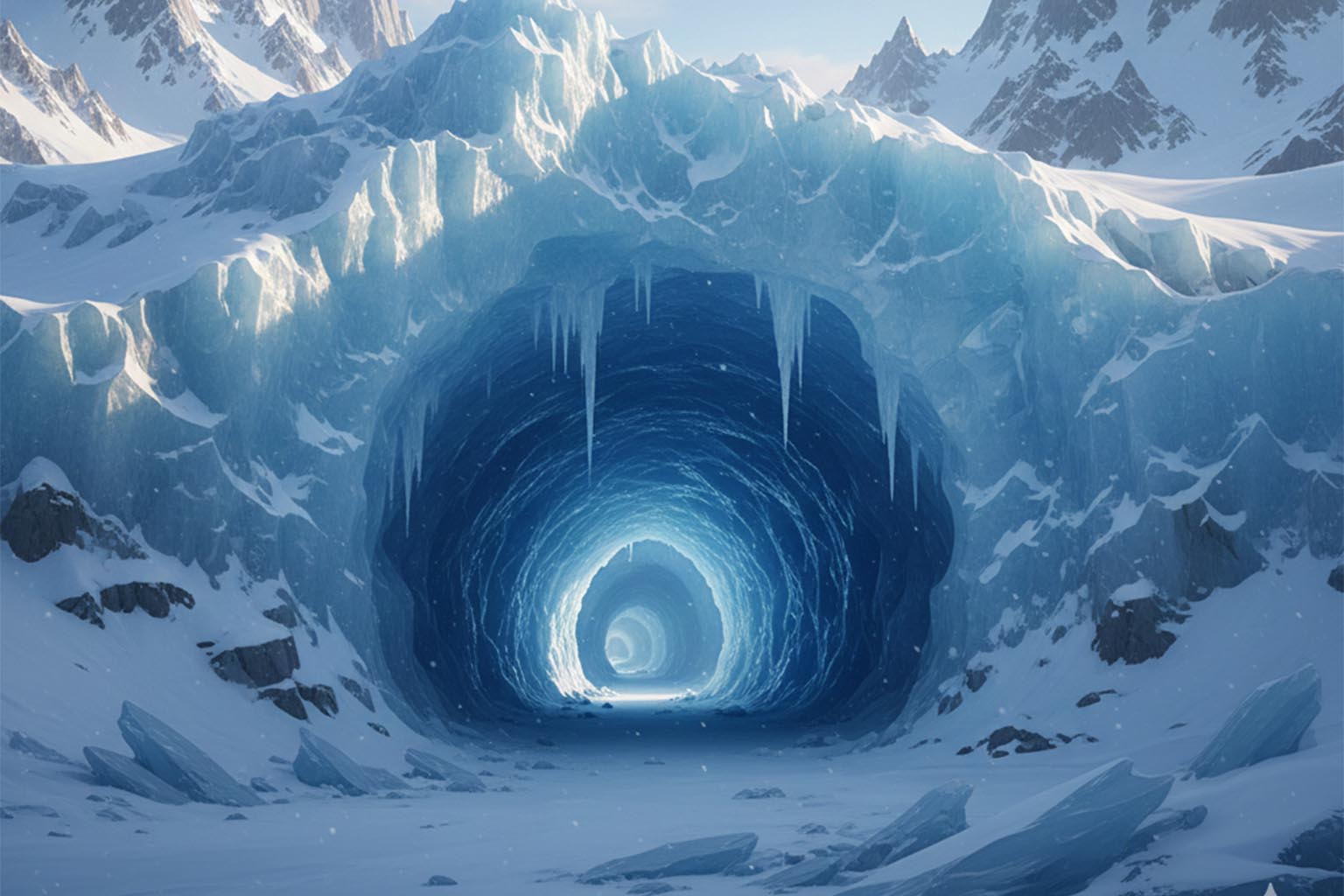
Dr. Weiss recalls the unexpected coziness. An intricate tunnel system connected prefabricated structures, creating a unique, albeit surreal, environment beneath the feet of the ever-present ice. “It was like living inside a storybook,” he said, reminiscing about the chess games and the 10-cent martinis that punctuated the long arctic nights. Living there, under those circumstances, seemed a world apart from the reality of the Cold War tensions.
Unveiling Project Iceworm
The true nature of Camp Century’s mission was unveiled only decades later. And what did that mean for Dr. Weiss? Surprise, certainly. Perhaps a touch of betrayal. At the time, the intricate network of tunnels and the advanced subsurface transport system seemed like over-the-top methods for what was deemed a simplistic research base. But these were actually components of a grander design: to covertly move missiles without Soviet detection. The whole base was like a carefully laid-out puzzle, with pieces fitting together under the cold, watchful eyes of the Arctic.
Despite the scale of Project Iceworm, the ambitious plan never came to fruition. No missiles ever reached the icy corridors of Camp Century, and by 1997, the world knew of this once-secret enterprise. The story of Camp Century became one of Cold War lore, and frankly, it still echoes with mystery.
Scientific Contributions and Ongoing Concerns
What remains truly fascinating is that, beyond its military ambitions, Camp Century contributed significantly to science, particularly in the realm of climate research. According to a NASA report, the ice cores drilled at the site opened a window into the Earth’s climate — a path that scientists like William Colgan, praised for transforming paleoclimatology. The Greenland ice cores dug from the site helped piece together stories of climate conditions from over 100,000 years ago.
However, along with its scientific accolades, there’s a shadow of an environmental dilemma. As climate change melts the Greenland ice sheet, the leftover hazardous waste from Camp Century — buried deep in the ice — poses a growing threat. Dr. William Colgan has noted the potential exposure of radioactive materials should the ice continue to melt, risking significant contamination. It’s a looming issue that ties past Cold War ambitions to today’s environmental challenges.
In wrapping up the story of Camp Century, one can’t help but feel a connection to the intricate web of history, science, and humanity. What was once a secret military fort is now a beacon of scientific knowledge and a stark reminder of environmental stewardship. It’s fascinating how history unfolds, often in unexpected chapters.
So, if you ever find yourself pondering the icy secrets beneath the Arctic, remember: history is nothing if not full of surprises. Dive into the details, question what you know, and keep exploring — because who knows what revelations lie hidden in humanity’s vast, fascinating archives?