


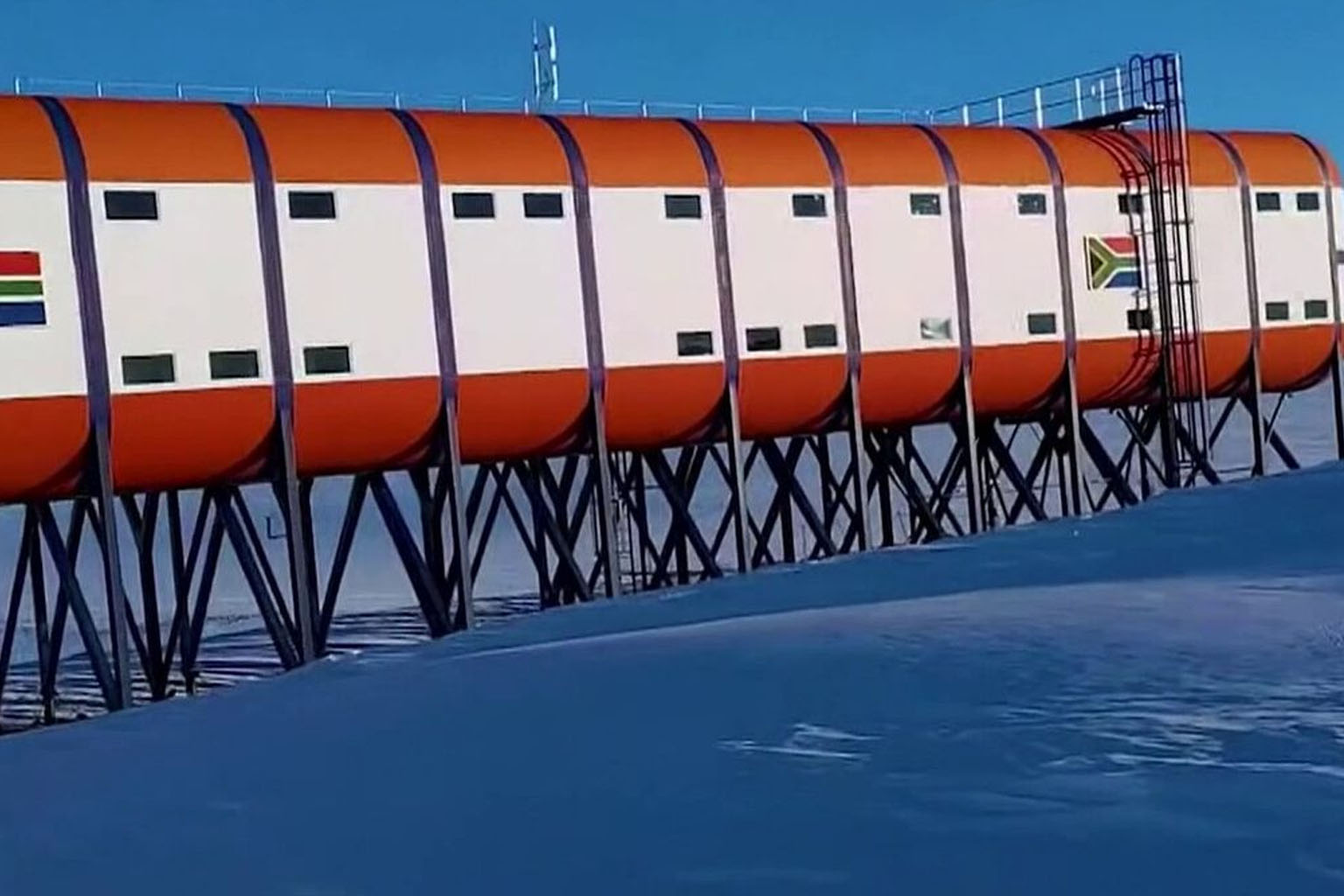
In the heart of Antarctica, where nature itself is an unyielding adversary, a team of scientists finds themselves in an unexpected human crisis. Sharing what should be a pursuit of knowledge, these researchers are now contending with a growing fear, trapped in an isolation that stretches beyond the physical confines of their icy station. It’s a situation that reveals just how fragile our collective resolve can become when faced with unseen threats.
The Lonely Desperation of Isolation
Antarctica is notorious for its punishing climate, with temperatures dipping to an unbearable -50°F, and a darkness that seeps into the psyche. For the scientists stationed there, this isolation is both a challenge and a companion. Recently, however, this solitude took a sinister turn. Reports from a South African team at the Sanae IV research base have emerged, outlining a crisis initiated by a colleague whose behavior has reportedly become dangerously unstable.
The alarming details surfaced through a leaked email to South Africa’s Sunday Times—a plea for help wrapped in words tinged with fear and uncertainty. Describing physical assaults and death threats, the message paints a harrowing picture of life on the icy periphery, where the elements are no longer the only threat. “It’s a situation that’s spiraling out of control,” the email warns.
Tensions Rise Beyond the Cold
Even for those accustomed to the demanding conditions in Antarctica, the strain on **their minds and spirits** can be immense. Dion George, South Africa’s environment minister, has corroborated the seriousness of the situation, acknowledging that tensions had indeed escalated. “There was a verbal altercation between the team leader and this person. Then it escalated, and then that person did physically assault the leader,” George confirmed. Such incidents underscore the precarious nature of social dynamics in extreme environments.
How does one reconcile with such threats when there’s literally no escape? The team’s isolation is exacerbated by weather conditions that render evacuation during winter almost impossible—an unnerving reality that means they might be stranded with their alleged attacker.
Emails of Desperation
More troubling is the chilling email from one of the researchers, proclaiming, “I fear I will be the next victim.” This sentiment, nestled within digital correspondence, echoes a profound desperation. The researcher wrote, “His behavior has escalated to a point that is deeply disturbing. Specifically, he physically assaulted [a colleague], which is a grave violation.” The fear is palpable, and the admission harrowing. “I remain deeply concerned about my own safety, constantly wondering if I might become the next victim,” the email starkly concluded.
Such declarations of fear **turn the focus inward**, changing the narrative from an endurance challenge against nature to a complex human drama. It’s a stark reminder that no matter how advanced our understanding, the human element remains unpredictable.
The Pressure to Resolve
In the icy expanses of Antarctica, authorities are now faced with a **crucial dilemma**: How to respond swiftly and effectively to prevent further escalation? With evacuation out of the question for the immediate future due to brutal weather, the solution must be as innovative as it is diplomatic—a necessity to ensure both the safety and sanity of the isolated team.
According to a New York Times article, Antarctica’s unique and harsh environment often amplifies underlying human tensions, turning small disputes into significant threats. This current predicament is, unfortunately, not unprecedented.
As the world looks on, it’s a chilling reminder of the fragility of human relationships and the critical importance of mental health—even, and perhaps especially, in the most remote corners of the globe.
To explore the psychological challenges faced by those stationed in isolated regions, watch this insightful video below:
Such scenarios discipline us to constantly question: How do we safeguard **emotional well-being** in places where support is a continent away?
As we ponder these concerns, it becomes clear that the solutions lie not only in emergency responses but in cultivating resilience amongst those who brave the edges of the Earth. Can you imagine grappling with such pressures? It’s a question worth contemplating as we work toward a human-forward approach to scientific exploration.
Stay curious, stay resilient, and as always, support those who venture where few dare to tread.