


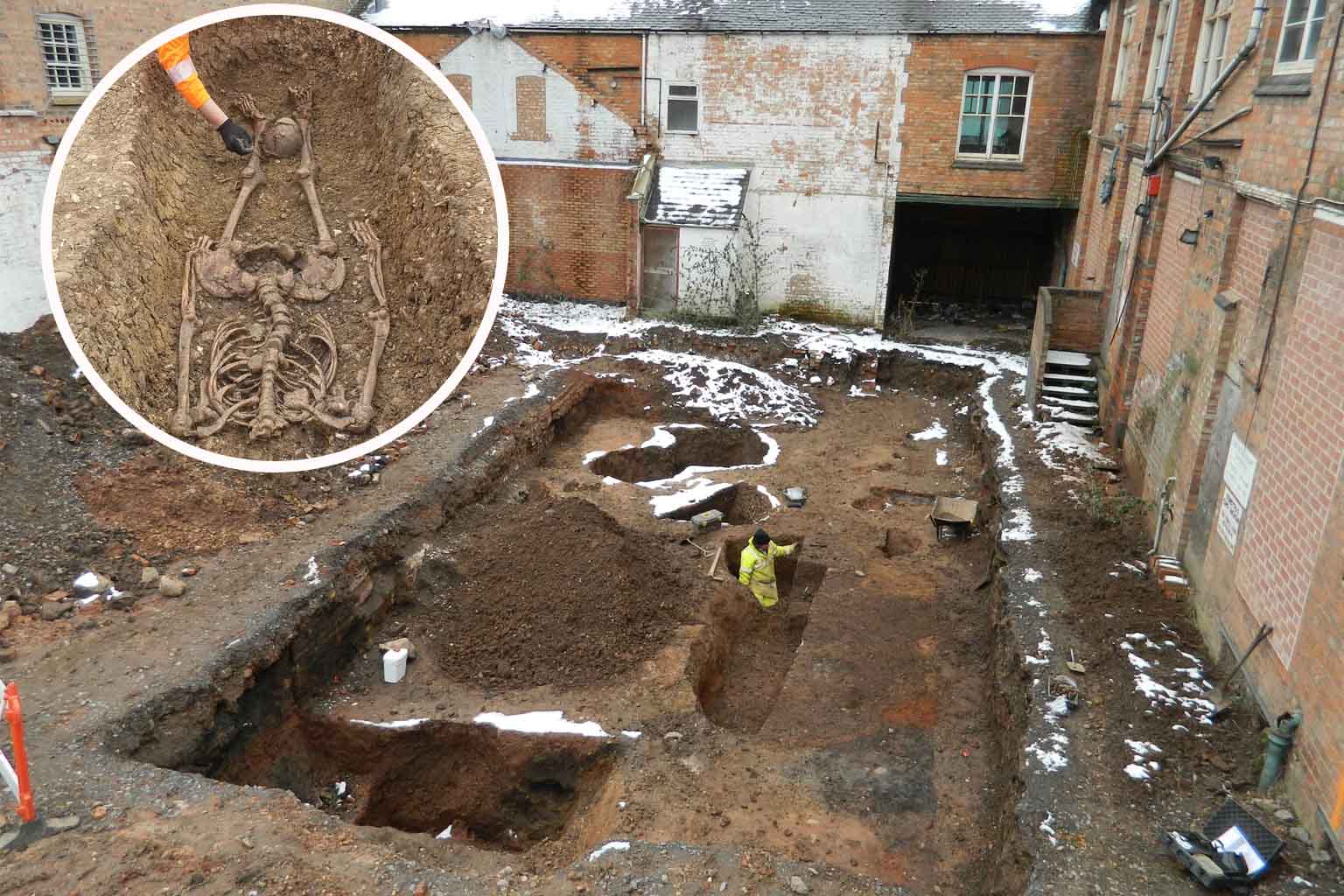
Discovering the hidden layers of history—in one of the most unexpected places—is thrilling, isn’t it? Picture this: Beneath a bustling UK city center, an extraordinary find has come to light. An archaeological dig beneath Gloucester’s former Debenhams store has unearthed more than 300 skeletons, Roman ruins, and centuries of rich history buried beneath the streets. It’s like peeling back the layers of time, revealing secrets long forgotten.
A Major Discovery Beneath Gloucester
This remarkable revelation began as a routine redevelopment project—transforming an old department store into the University of Gloucestershire’s new City Campus. But with each layer removed, the site became more than just a construction zone. Over 317 human skeletons, scores of burial vaults, and intricate architecture from Roman, medieval, and post-medieval times were discovered. Now, this isn’t just any find; it’s a window into nearly two millennia of life, death, and evolution right at the heart of Gloucester.
According to a BBC report, Cotswold Archaeology is leading this massive excavation. The team leader, Cliff Bateman, has called the complexity of these findings “unprecedented” for this particular region.
The Roman Imprint
These digs are more than just holes in the ground; they uncover the very bones of the past. Evidence of Roman-era life is all over the place—cobbled streets, a 2nd-century road, and the remnants of a Roman townhouse. These finds point to a vibrant Roman settlement, harking back to Gloucester’s ancient days as Glevum—a colonia established for retired Roman soldiers. Imagine that!
It’s awe-inspiring, really. The presence of these Roman structures beneath modern-day buildings highlights the unbroken thread of urban life in Gloucester. Cliff Bateman confirmed, “The site as a whole has the potential to increase public knowledge of the Roman, medieval and post-medieval development of this part of Gloucester.”
Lost Souls and Forgotten Churches
Of all the discoveries, perhaps the most poignant is the unearthing of 317 human skeletons, lying in 83 brick-built vaults likely dating back to the 18th century. These were associated with St. Aldate’s Church which once stood at or near the site. Beneath the soil, the crypt and stone wall foundations of the 18th-century church remained intact, whispering stories of past prayers, rituals, and the community’s spiritual journey.
Bateman described these findings as “unbelievable,” shedding light on religious practices and architectural genius across the centuries. And yet, it’s not just about the church, is it? It’s about the lives lived, the communities formed, and ultimately, the stories that made Gloucester what it is today.
The Hidden Details of Daily Life
In addition to skeletal remains and grand structures, the site also revealed smaller artifacts, fragments of everyday life that colored the city’s past. From post-medieval wine bottles to a 16th-century tobacco pipe and even pieces of medieval stained glass—each piece adds texture to Gloucester’s historical fabric. These artifacts paint a vivid picture of domestic life, local trade, and the city’s evolution from Roman settlement to bustling modern center.
Discoveries at sites like these are not just about grand historical narratives. They also provide a peek into daily life through centuries, reminding us that history isn’t just monumental—it’s deeply personal. And yes, sometimes these overlooked pieces are the most revealing.
Gloucester: A Living Archive
While Gloucester is renowned for its historical wealth, this excavation underlines how much there is still waiting beneath its streets. Cliff Bateman noted, “Every time we work in Gloucester, we make new discoveries—it’s a massively important place.”
As construction continues, these treasures will be studied in detail, with the potential for some to be preserved and displayed at the future university campus. This way, students and the public alike can engage with Gloucester’s rich past, standing quite literally on the history beneath their feet.
This discovery is a reminder—Gloucester isn’t just a city; it’s a living archive. Every stone turned or street paved could rewrite what we thought we knew. Why not take a moment to appreciate the ground you walk on daily? You never know what stories lie just beneath the surface.
Why not follow along and see what else they uncover? Every excavation peels back new layers of history, offering fresh insights that might just change how we see our world. Stay curious—it’s the greatest adventure.