


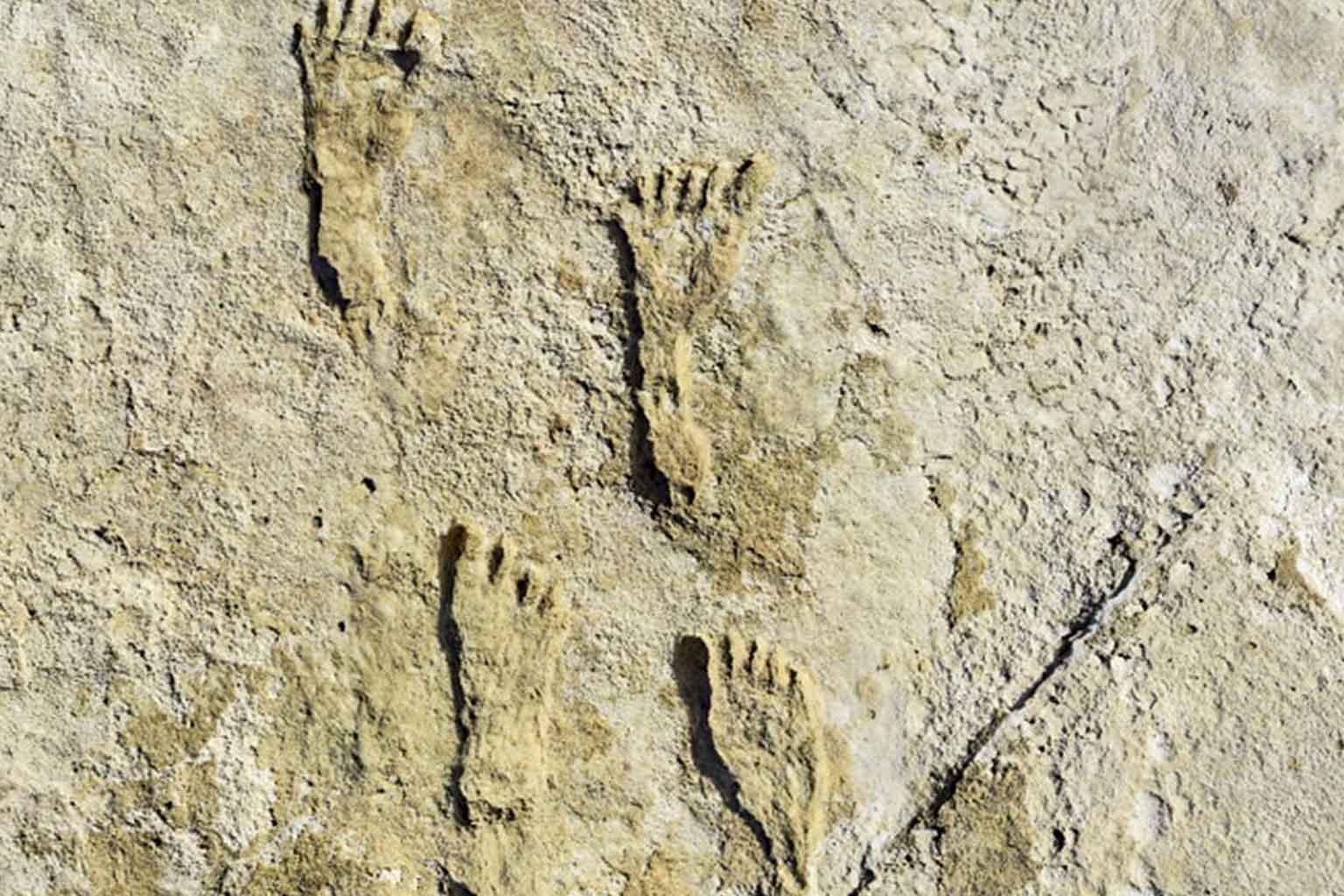
At White Sands National Park in New Mexico, an extraordinary find—dating back thousands of years—has left archaeologists, historians, and nature enthusiasts alike in awe. It’s fascinating, and somewhat unexpected, the kind of discoveries that can quietly exist beneath our modern feet—until the right moment uncovers them. These are no ordinary footprints we’re talking about. They’ve been dated to 23,000 years ago, painting a vivid and compelling picture of the earliest known human activity in North America. Tucked away in the soft mud of an ancient lakebed, beneath layers of time, these prints offer a rare and intimate glimpse into life during the Last Glacial Maximum.
The Significance of New Mexico’s Ancient Tracks
The story begins with the footprints—literally. These fossilized remnants were uncovered in a place once rich with life. Children, teenagers, adults; their paths crossed and mingled in a mosaic that tells tales of community, play, and simple, everyday existence. Among them trudged mammoths and giant ground sloths, with possibly even the shadow of a saber-toothed cat lurking nearby. It’s the kind of detail that sparks the imagination, offering a true snapshot of an ecosystem now long gone. According to Sally Reynolds, a paleoecologist at Bournemouth University, “The site in New Mexico has rewritten history books as we’ve discovered wonderful examples of human activity, the way that humans interacted with one another, with the landscape, and with the animal life there.”
Uncovering the Timeline
So, how do we know just how old these footprints are? This is where science really steps in. Detailed research, published in the journal Science, confirmed the age through meticulous radiocarbon dating of Ruppia seeds found ingrained in the same sedimentary layers. These seeds have helped pinpoint the time period to between 21,000 and 23,000 years ago. That’s a timeline that, quite frankly, challenges the long-standing Clovis-first model which had suggested humans only arrived in North America around 13,000 years ago after the melting of the glaciers. If this new timeline holds, and all signs point that it will, we’ve just rewritten a major chapter of human history in the Americas.
A Rare Glimpse Into Ice Age Life
Imagine children skipping through muddy trails alongside their elders, families interacting amidst towering prehistoric creatures, and the occasional slip into thick, wet earth—it all seems so real, doesn’t it? Matthew Bennett, the lead author on the study, highlights the emotional essence of these prints: “What we see here is also activity of play, and of different ages coming together. A true insight into these early people.” It’s a human moment, crystallized in time, and it goes beyond sheer survival. There’s evidence of joy here, of laughter perhaps, slipping and sliding through trails that have long since disappeared.
Looking Forward: What Comes Next?
What’s incredibly exciting is that the story is far from over. Excavations are ongoing, and who knows what more might be found in the soft soils of White Sands? Every step has the potential to revise our understanding of when—and how—humans first thrived here. The possibilities are tantalizing. Sally Reynolds echoes this sentiment, emphasizing that “these footprints provide a valuable window into the lives our ancestors lived and how much they were like us.” Indeed, these ancient marks are more than relics; they’re conversation pieces, engaging us in a dialogue with our past.
Ultimately, this find isn’t just about the footprints. It’s about a connection to human history—one that stretches back tens of thousands of years. Next time you step out for a walk and glance at your own footprints, remember those who tread upon the earth ages ago. And if this tale sparked even the slightest curiosity about the shared journey of humanity, consider diving into more stories of discovery. Because, truly, who knows what’s still waiting to be found beneath our very feet?