


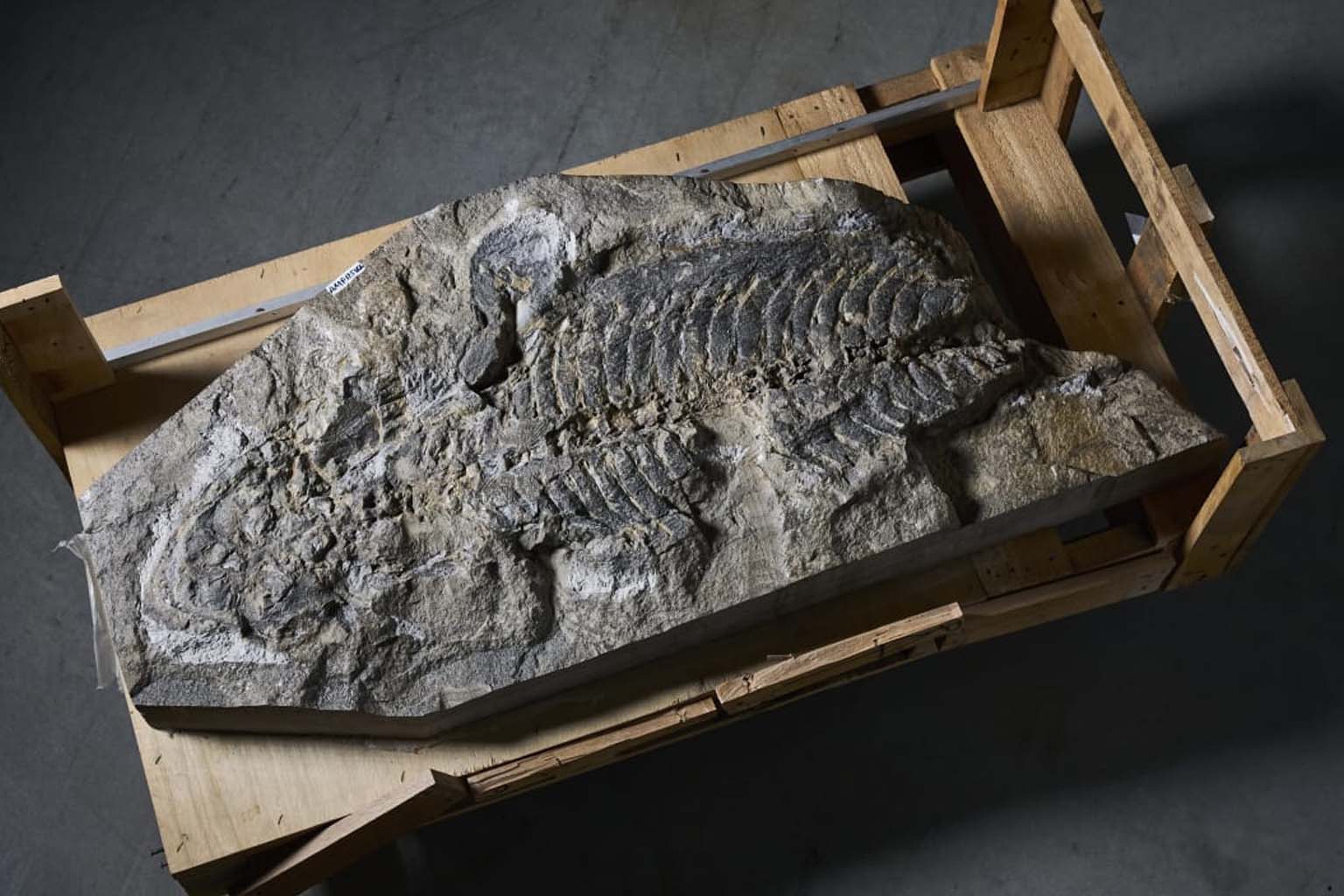
Prehistoric mysteries have a unique way of captivating our imagination, don’t they? This tale from Wyoming is no exception. A massive discovery — a grave dating back 230 million years — has emerged from the layers of an ancient floodplain. Can you just imagine? This mass grave isn’t just a collection of fossils; it’s a snapshot of a bygone era when giant amphibians roamed what is now dry land. Much has been whispered among geologists about this Wyoming site, apt for its eerie name, “Nobby Knob,” which is now drawing the attention of scientists worldwide.
Unearthing a Triassic Treasure
Picture this: a time when gigantic amphibians as large as modern-day alligators inhabited swampy stretches across our planet. According to a study published in PLOS ONE, this site at Nobby Knob has revealed not just isolated bones, but at least 19 complete specimens of the species Buettnererpeton bakeri. This isn’t just a casual find; it more than doubles the known number of these Triassic creatures. Fascinating, isn’t it?
The skeletal remains are remarkably well-preserved — almost as if they were delicately placed under glass. Researchers believe these bones remained so intact because they were deposited in calm, low-energy waters typical of floodplains. This peaceful resting place helped in avoiding the kind of chaos and destruction that moving waters often bring.
A Glimpse into Ancient Ecology
These amphibians aren’t just any ancient beings; these are part of the extinct group called temnospondyls. Imagine standing on the edge of a murky swamp, nostrils flaring as a creature with a flat head and eyes peeping out of the water waits patiently. Such adaptations hint at their role as ambush predators, thriving in the murky waters of the Triassic era. Isn’t it intriguing how nature designs such fascinating strategies for survival?
Aaron Kufner, a paleontologist from the University of Wisconsin–Madison, led this groundbreaking study. He notes, “This assemblage is a unique capture of both time and population dynamics, offering a detailed view into how these creatures might have lived as a single group.”
A Mystery of Death: Drought or Breeding Ground Tragedy?
So, what exactly caused these amphibians to die en masse? That’s the million-year-old question. Distinctly absent here are the signs of chaotic death — bones aren’t scattered and re-deposited by the force of water. Instead, they lay close-knit, evidence suggesting they perished in place. Could it be a sudden environmental cataclysm? Perhaps, but only time and further research will tell.
One theory gaining traction is that these amphibians gathered in what might have been a breeding ground, only to be caught in a devastating drought or become isolated hydrologically. It’s not hard to imagine the tragedy — a pond slowly shrinking as the sun relentlessly beats down.
The scientists have penned their hesitation in declaring this die-off a common occurrence. After all, most temnospondyl fossils are found in settings where bones were moved from the original place of death. That’s part of what makes the Nobby Knob site so compelling; it may offer an authentic peek into a singular, undisturbed event in the Triassic.
Floodplain Fossil Layers: Clues in the Earth
The fossil layer composition is rich with clues. Layers composed of laminated siltstones and sandstones paint a picture of gentle waters — ideal conditions for preserving delicate bones with minimal disturbance. This isn’t a slurry of fossils haphazardly tossed by ancient currents; it’s a canvas of history unfurled slowly and painstakingly by nature itself.
But these amphibians weren’t alone, as researchers have also unearthed fossilized plants, bivalves, and even coprolites (yes, fossilized feces!). These finds enrich the picture, offering insights into an ecosystem that once teemed with life. It paints a portrait of a stable and productive environment until, quite dramatically, it ceased to be.
According to an Indian Defence Review article, the Nobby Knob site provides crucial data on the evolutionary path of temnospondyls. Such insights deepen our understanding of these pioneering vertebrates, showcasing their journey from water to land and back again.
Evolutionary Implications: Lessons from the Past
At its heart, the discovery at Nobby Knob tells a story of adaptation and survival. The fossil sizes vary from juveniles to adults, offering a microscopic look into the growth patterns and lifecycles of these peculiar animals. Imagine tracing the evolution of an ancient creature, piecing together how environmental pressures sculpted its development.
An expert from PLOS ONE remarked on the significance of this find, highlighting how these fossils bridge the evolutionary narrative across epochs. Temnospondyls like Buettnererpeton were among the first vertebrates to brave terrestrial realms, marking steps that would set the stage for future evolutionary feats.
As we continue unearthing the secrets held tight by Earth’s bosom, it’s crucial for us to reflect: what can we learn from these ancient denizens? Each fossil whispers a tale of a world long gone, yet one that continues to echo through our landscapes.
Have any thoughts or questions sparked by this ancient narrative? I’m curious to hear your take — wouldn’t it be fascinating to explore further into this prehistoric world?