


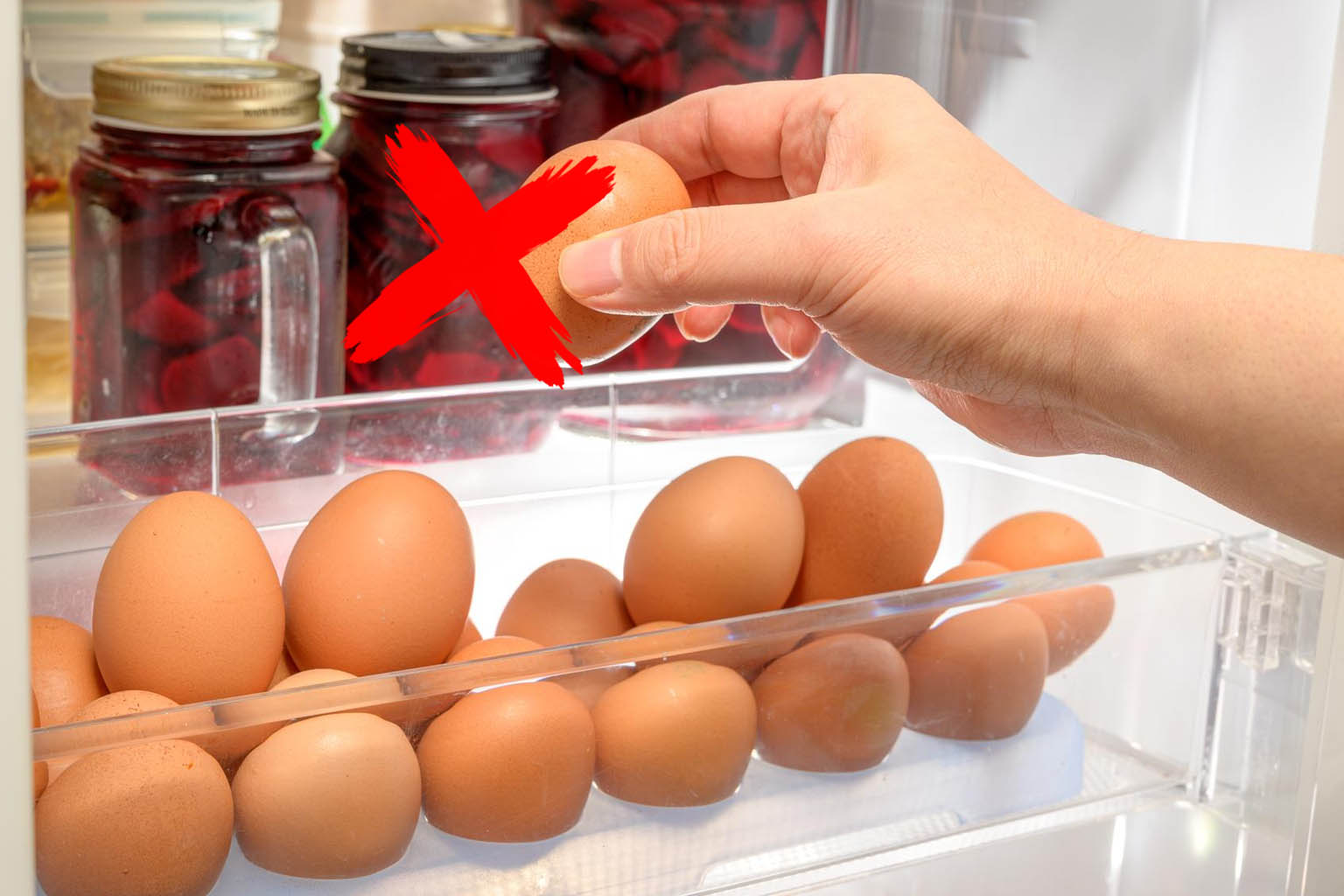
Have you ever opened your fridge, grabbed some eggs, and noticed something felt a bit off? Perhaps it was that slight odor or a tiny crack you didn’t expect. Well, storing eggs in the refrigerator door might be the culprit here. What seems convenient could actually be a common mistake affecting their freshness and taste. It’s something many of us do without thinking — and yes, surprisingly often!
The real issue with storing eggs in the fridge door
Let’s paint a picture: it’s a peaceful Sunday morning. You open that fridge door, reach for an egg, and notice it’s not quite right — maybe it’s a bit dry or cracked. The door might seem ideal for storage, but it’s actually the warmest part of the fridge. This warmth, coupled with frequent openings, creates little storms of condensation. Imagine, every time you swing the door open, a puff of warm air sneaks in. Eggs, with their delicate shells and protective layers, get hit by these temperature swings. According to a Scientific American article, such fluctuations speed up moisture loss and can compromise the egg’s protective outer layer, leading to quicker spoilage.
Moreover, eggs have these tiny, almost invisible pores through which odors from other foods can sneak in. Imagine the eggs soaking up the scent of last night’s fish — not quite the breakfast aroma you’re looking for, right?
Where should eggs really go?
Nestling your eggs in the middle or lower compartments of your fridge, toward the back, is a better choice. The temperatures here are steadier. If that sounds ridiculously simple, well, it kind of is. It’s one of those small adjustments that make a big difference. Keep them in their original carton, which helps protect from light and odors. Plus, the cardboard actually helps to slow moisture loss. Just let them be, leaning with their pointy ends down. Does it sound like a fussy arrangement? Perhaps. But it keeps the yolk centered, and trust me, this can make a world of difference when you’re poaching those eggs to perfection.
Avoid these egg storage missteps
Common misunderstandings can lead us astray. Take boiled eggs, for instance. You might think they deserve less protection because, well, they’re cooked, right? Partially true, but they still need care. Without the shell, they dry out quickly and will absorb surrounding odors. The shell gives them about a week in the fridge when stored in an airtight container. And if one happens to have a crack? Use it pronto.
Contrary to what seems logical, removing eggs from the fridge repeatedly can actually harm them. Temperature slaloms — the constant back-and-forth between warm and cold — can cause the shell to become clammy, potentially drawing bacteria through its porous surface. For baking, it might be tempting to leave them out to reach room temperature, but only for a short while. Consistently putting them back and forth, though, is a no-go.
Handy tips for fresher eggs
Imagine you’re about to start baking, and suddenly doubt creeps in: Are these eggs still fresh? Here’s a quick tip: the water test. Gently place an egg in a glass of water. If it sinks and lays flat, it’s fresh. Stands up a bit? It’s aged, but good for baking. Floats? Time to toss it.
And if you’re using raw yolks or whites, take special care. A covered egg yolk will keep for about two days, while whites stay fresh for three to four days when stored properly. Always keep a mental note of dates to avoid surprises!
One more thing — don’t wash those eggs under running water! This might strip their natural protective layer, exposing them to contamination. Simply wipe them with a soft, dry cloth. Stubborn spots? A dampened cloth will do the trick — just remember to dry them right after.
Stored eggs are like fresh spices; with the right care, they enhance your kitchen’s flavors without fuss. So, take that little extra step today, and you’ll find your cooking experience all the more rewarding.
Feeling inspired? Try out these tips and share your experience! It’s those small, everyday tweaks that make our lives a touch easier and more delicious.