


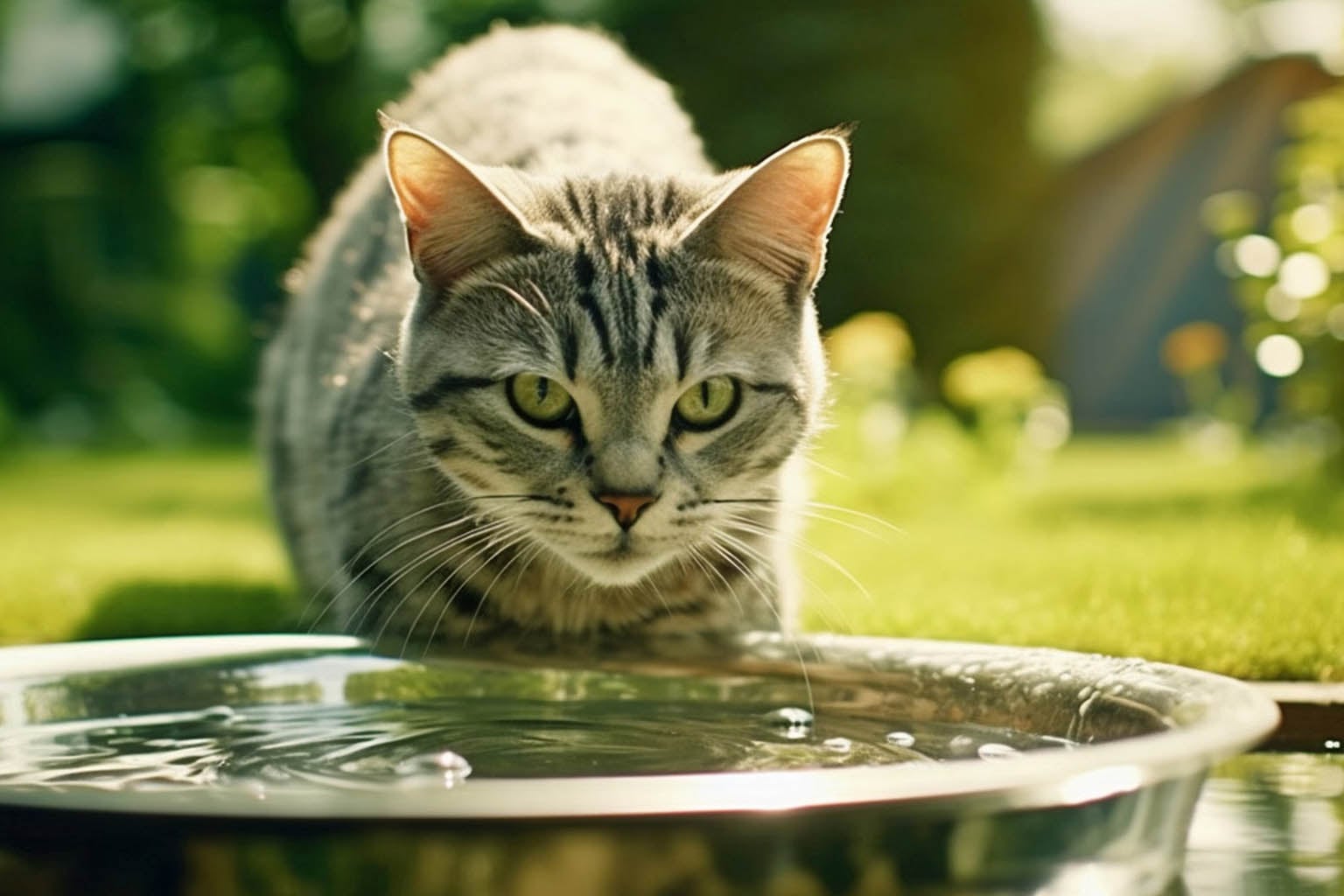
Have you ever caught your cat scratching the floor right before sipping some water? It’s one of those odd behaviors that make you scratch your head—and it’s more common than you’d think. Cats, after all, are endlessly fascinating creatures filled with quirks so mysterious they could fill a novel. This scratching behavior feels counterintuitive, especially since cats are famously finicky about water. So, what gives? According to experts, there’s a mix of inherited instincts, sensory curiosity, and even a dash of territorial communication behind this curious habit.
Instinctive Behavior
At the heart of the head-scratching puzzle lies the hardwired instincts passed down from cats’ wild ancestors. Even the fluffiest house cats can’t shake off some of their ingrained behaviors. When it comes to water, these instincts run deep. In the wild, felines have to be extra cautious when drinking from any water source—stagnant water could mean contamination, a lurking threat. So, what do they do? They scratch at the ground around the water source to make sure the coast is clear. Even in the safe haven of your home, where the water bowl is as fresh as morning dew, this instinct persists.
For wild cats, the action of scratching might also stir up the earth to uncover fresher groundwater or reveal scents that signal whether it’s safe to drink. You can almost picture the scene, can’t you? A cat in the wild, carefully assessing its environment. And while your living room is far from the jungle, the innate drive remains undiminished.
Sensory Curiosity
Then there’s this enchanting idea of the “shiny object syndrome” that seems to apply not only to us distracted human beings but to our feline friends as well. Many cats just can’t resist the siren call of reflective surfaces, flickers of light and shadow, or even the gentle ripple of water. Take a moment to observe your cat; watch as it paws curiously at the still water, releasing ripples and glimmers. For some cats, this is irresistible. It’s like nature’s own surprising light show, a perfect blend of movement, sound, and sparkle, pulling them in like a mystery waiting to be unraveled.
A recent video by pet behaviorists delves into this phenomenon, showing cats transfixed by shimmering light, following it with the intensity they usually reserve for laser pointers.
Territorial Marking
And there’s another layer to this behavioral onion—territory. Cats are notorious for staking their claim, and the water bowl is no exception. In households where more than one cat resides, this behavior might be more pronounced. By scratching around their food and water, cats are signaling their dominance, a silent yet meaningful act that says, “This is mine.” In multi-cat households, resources might seem scarce, and your pets are simply saying they’re not letting their guard down, especially during a vulnerable moment like drinking.
Stress and Environmental Factors
Lastly, let’s not forget the role emotions and environment play in this theatrical performance. Changes at home? New furry intruders? Strange noises? Any form of external stress can amplify the need for control in cats. Drinking is, after all, a moment when they’re vulnerable. So, a cat under pressure might scratch more as a way to cope. This behavior, while usually harmless, is something to keep an eye on—especially if your cat suddenly starts drinking more, or acts differently around the bowl. Sometimes a concerned whisper to your vet is all it takes to ease your mind.
The American Society for the Prevention of Cruelty to Animals (ASPCA) advises consulting a veterinarian if you notice significant changes in your pet’s drinking patterns or if they appear anxious at the water bowl.
Simple Steps to a Hydrated Kitty
So, where does this leave us? Ensuring that our furry friends get the hydration they need is crucial, especially for their kidneys and overall health. Continually offering them fresh water is a no-brainer. But have you considered a water fountain? Cats are fascinated by the moving water—it’s like a riverbank right in your living room.
Moreover, introducing wet food into their diets can be a game-changer. Canned foods are richer in moisture compared to dry snacks, which is great news for their hydration levels. And when it comes to choosing a water bowl, be mindful. Consider their whiskers! Many cats shy away from narrow or deep bowls because their sensitive whiskers touch the sides—making a wide, shallow bowl the better choice. Plus, materials matter. Stainless steel or ceramic are top picks since they don’t trap odors and are easy to clean, reducing bacteria buildup.
Let’s make it interactive: Have you observed these quirks in your cat? Maybe you’ve captured it in a picture or video? Share your stories with fellow cat lovers and gain new insights. After all, our shared obsession with these beautiful, bewildering creatures is best when celebrated together.
Remember, taking the time to understand these peculiar behaviors enriches your bond—and that’s what being a pet parent is all about.