


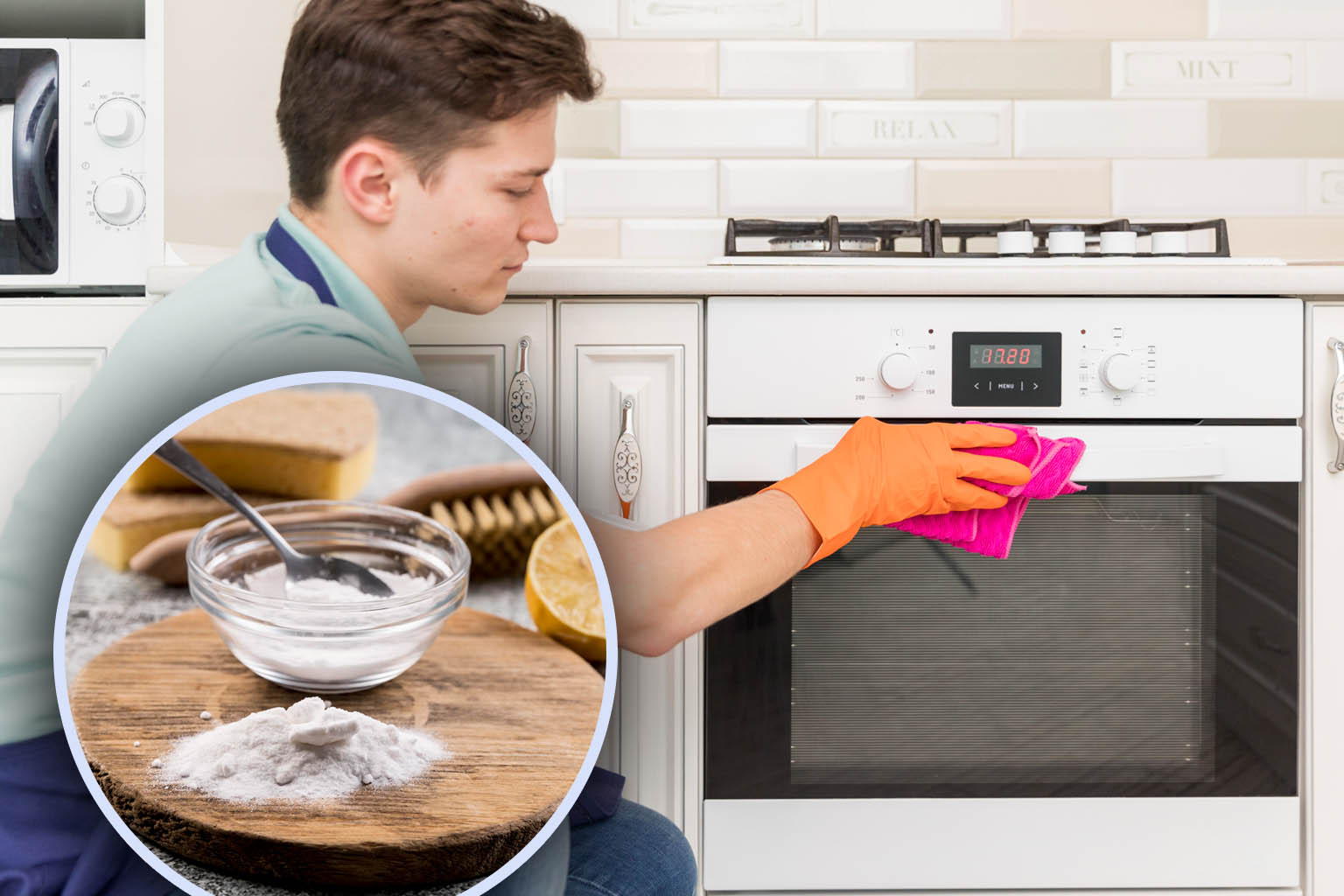
Looking for a potent, eco-friendly cleaning hack that’s been hiding in plain sight? Sodium carbonate, often overshadowed by its milder cousin baking soda, is making a strong comeback in households across the nation. This natural powerhouse is affordable, versatile, and surprisingly effective at tackling grease and grime without the harsh chemicals.
As a web editor with years of experience covering sustainable home solutions, I’m excited to share everything you need to know about this underrated cleaner. From what it is to how you can wield it safely and effectively, sodium carbonate might just become your new favorite household ally.
What Exactly Is Sodium Carbonate?
Sodium carbonate, also known as washing soda or soda ash, is a naturally occurring alkaline salt with the chemical formula Na2CO3. Found in mineral deposits, it has a long history as an ingredient in traditional soap making, prized for its ability to cut through grease, neutralize odors, and soften hard water, which typically hinders cleaning performance.
Unlike baking soda (sodium bicarbonate), which has a milder pH of around 8 to 8.5, sodium carbonate ranges between 11.5 and 11.6 on the pH scale—making it significantly stronger and more potent as a cleaning agent. This elevated alkalinity allows it to dissolve stubborn stains and grease that other natural cleaners might struggle with.
It’s important to note that sodium carbonate is not edible and should be used with care in households, especially around children and pets.
How Does Sodium Carbonate Differ from Other Natural Cleaners?
Sodium carbonate often gets confused with sodium bicarbonate (baking soda) or sodium percarbonate (a compound that releases oxygen bleach). While baking soda gently deodorizes and is excellent for personal care or light cleaning, sodium carbonate packs a punch for tough household cleaning. Meanwhile, sodium percarbonate combines sodium carbonate with hydrogen peroxide and delivers a strong bleaching and disinfecting effect, commonly used as an eco-friendlier alternative to chlorine bleach.
To visualize their differences:
- Sodium bicarbonate (baking soda): Mild, pH ~8, used in baking, deodorizing, and gentle cleaning.
- Sodium carbonate (washing soda): Stronger, pH ~11.5, excellent for grease, hard water, and heavy-duty cleaning.
- Sodium percarbonate: Sodium carbonate + hydrogen peroxide, releases oxygen, powerful stain removal and bleaching.
This distinction helps determine when and where to use each product effectively.
Practical Uses of Sodium Carbonate in Your Home
The beauty of sodium carbonate lies in its amazing versatility. Here are some common household applications:
- Grease-busting powerhouse: Easily removes stubborn grease stains from ovens, stovetops, and kitchen hoods.
- Water softening: Treats hard water areas, enhancing the performance of laundry detergents by reducing mineral deposits.
- Washing booster: Adds a freshness boost to your laundry while neutralizing odors.
- Floor and surface cleaning: Dissolves in hot water to leave surfaces sparkling without toxic residue.
To use sodium carbonate safely, always wear gloves because of its high alkalinity, and never mix it with acidic substances like vinegar or lemon juice, which can cause chemical reactions producing harmful gases.
How to Use Sodium Carbonate for Household Cleaning
Applying sodium carbonate is straightforward. Start by dissolving small amounts in hot water:
- Laundry: Add 1–2 tablespoons to your washing machine along with regular detergent to boost cleaning power.
- Kitchen surfaces: Mix 1 tablespoon per quart of hot water, apply with a sponge, and rinse well for grease removal.
- Bathroom and tiles: Use as a wiping solution with a soft cloth or brush to tackle grime and soap scum.
- Heavy stains: Soak items in water with sodium carbonate for 15 minutes before scrubbing.
Being biodegradable and low in toxicity, it supports a greener cleaning routine, but moderation is key—excessive use can damage sensitive materials like aluminum or wood finishes.
Why Sodium Carbonate Is an Eco-Friendly Alternative
Conventional cleaning products often contain synthetic fragrances, dyes, and harmful phosphates that can irritate allergies and pollute waterways. Sodium carbonate, by contrast, is free from these additives, reducing the risk of indoor air pollution and allergic reactions.
Its concentrated nature means you use less—helping cut down not only on chemical waste but also on plastic packaging. This reduction supports zero-waste goals and lessens environmental impact. According to a 2023 study by the Environmental Protection Agency EPA on eco-cleaning products, natural cleaning agents like sodium carbonate help lower toxicity levels in household wastewater.
Additionally, regular use can prevent calcium buildup in appliances, extending their lifetime and saving money on repairs.
Safety Tips and Precautions
Despite being natural, due to its alkalinity, sodium carbonate can cause skin and eye irritation. Here’s how to stay safe:
- Always wear gloves when handling it to protect your skin.
- Never mix with acids such as vinegar or lemon juice.
- Store it in a dry place out of reach of children and pets.
- Test on a small patch before applying to delicate or painted surfaces.
By taking these precautions, you can harness all the benefits of sodium carbonate without risk.
As you rethink your cleaning arsenal, this humble yet powerful natural cleaner deserves a prominent place. Have you tried sodium carbonate around your home? What surprised you most about its cleaning abilities? Share your experiences and tips in the comments below — let’s make greener, safer homes together!