


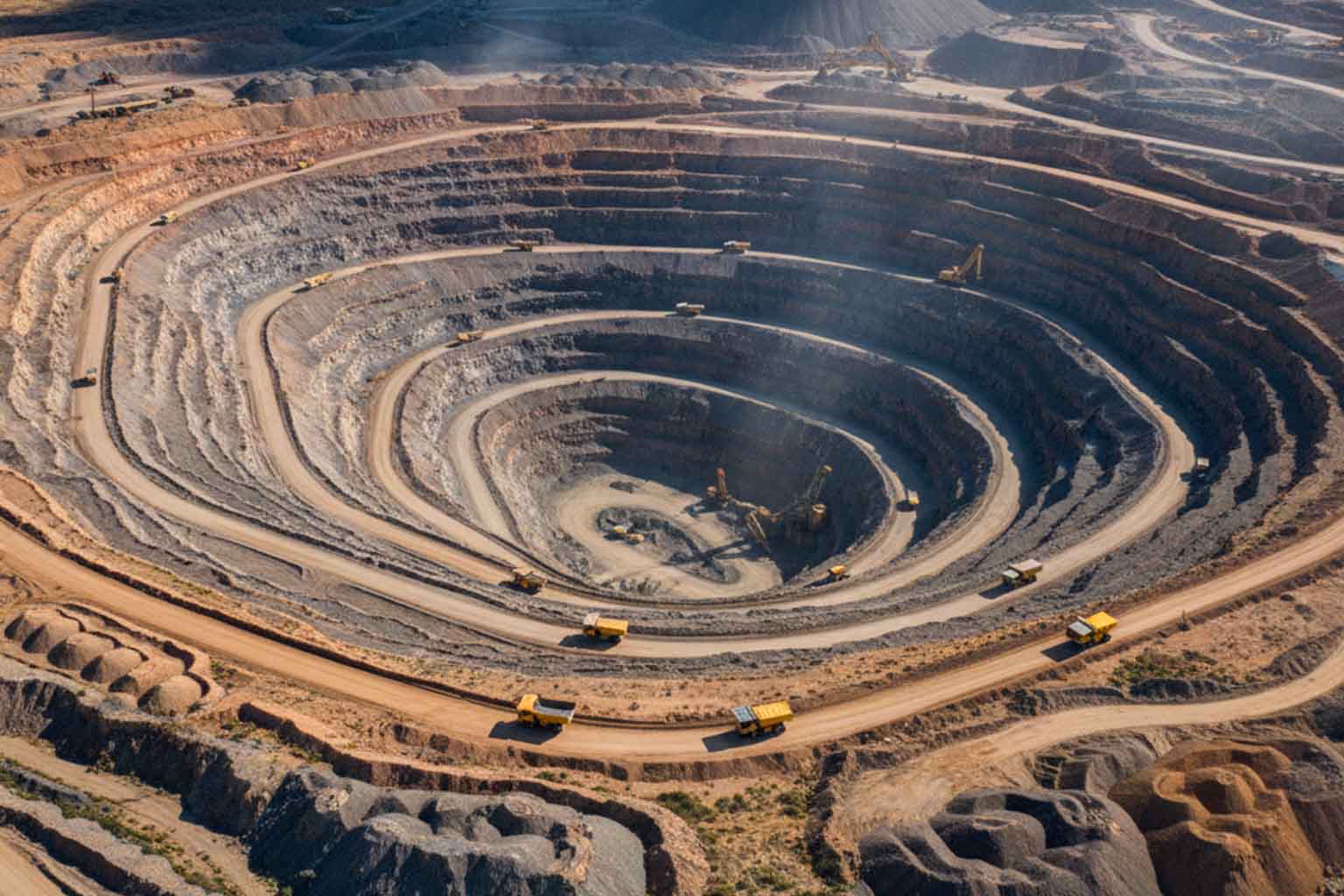
Geologists have just uncovered a staggering amount of copper—over 20 million tons—in a place few expected: China’s remote Tibetan Plateau. This isn’t just a geological curiosity; it’s a discovery with the power to ripple across global markets, energy strategies, and geopolitical dynamics. Imagine a resource so vast it could redefine how the world sources one of its most critical metals—copper.
The surprise copper bonanza on the Qinghai-Tibet Plateau
For years, the Qinghai-Xizang region, perched high on the Tibetan Plateau, was seen as a tough, inaccessible landscape—hardly ideal for big mining ventures. But recent explorations have shattered assumptions. Experts from China Geological Survey have pinpointed multiple copper bases here, including Yulong, Duolong, Julong-Jiama, and Xiongcun-Zhunuo, transforming this once-quiet region into a hotspot for copper extraction.
On its own, the main discovery holds more than 20 million tons of high-quality copper ore, with neighboring sites potentially adding 150 million tons to China’s estimated resource base. This massive hidden trove supports China’s broader ambition to consolidate mineral resources under its 14th Five-Year Plan (2021-2025), aiming to reduce dependency on foreign supplies and tighten control over critical materials.
Copper’s starring role in green energy and electric vehicles
Why does this discovery matter so much right now? Copper is a superstar in the global push for greener technologies. From electric vehicles to wind turbines and solar panels, copper’s conductivity and durability make it irreplaceable.
Electric cars, for instance, require up to four times more copper than gasoline-powered vehicles. As demand for EVs surges—forecast to reach record growth in coming decades—the need for steady copper supplies is more urgent than ever.
Beyond cars, copper’s centrality to solar and wind energy infrastructure makes it a cornerstone of the worldwide effort to combat climate change. Given these stakes, unveiling such a massive deposit couldn’t be more timely. China is effectively positioning itself as a key supplier to the green energy revolution, which might reshape industry supply chains for years to come.
Geopolitical currents stirred by China’s copper dominance
This gigantic copper find doesn’t just impact the mining industry—it’s geopolitics in action. With newfound reserves of this scale, China strengthens its hand in global metal markets, increasing mining independence and reducing its vulnerability to external supply fluctuations.
China is already the world’s largest copper importer, and controlling one of the richest domestic reserves could tilt market dynamics further in its favor. Countries like Australia, Chile, and Kazakhstan—major copper producers themselves—are watching this development closely. China’s growing influence could reshape trade deals, pricing mechanisms, and global supply reliability.
Economists warn this shift might increase the dependency of other nations on Chinese copper, an issue with potential economic and strategic implications across continents.
Mining in extreme conditions with cutting-edge technology
Let’s not forget the challenges of mining on the Tibetan Plateau. At altitudes soaring above 14,000 feet and with harsh weather, mining operations face extreme hurdles. To conquer these, China is pioneering advanced technologies—think autonomous drones for exploration and robotic drilling systems that can endure the rugged environment.
These innovations mark a leap forward in mining technology, not just for China but globally. Autonomous mining equipment can boost efficiency, enhance worker safety, and minimize environmental footprints—a key concern given the ecological sensitivity of high-altitude regions.
The success here could serve as a blueprint for extracting valuable minerals from other remote, hard-to-reach places around the world.
Why this discovery matters for the world
According to a 2023 report by the International Copper Study Group (ICSG), global copper demand is expected to rise by over 30% within the next decade, fueled largely by renewable energy and electrification efforts. This context underscores the importance of secure, significant copper sources like China’s Tibetan deposits.
For industry insiders and policymakers, the message is clear: access to copper isn’t just a business matter—it’s entwined with energy security, technological progress, and climate commitments.
It’s a glimpse into the future where responsible mining, advanced technology, and resource security come together to support a greener planet.
If you’ve found this copper discovery fascinating or have thoughts about how it might reshape our energy future, let us know. Share your perspective below, and don’t hesitate to spread the word on social media—after all, big finds like this impact us all.