


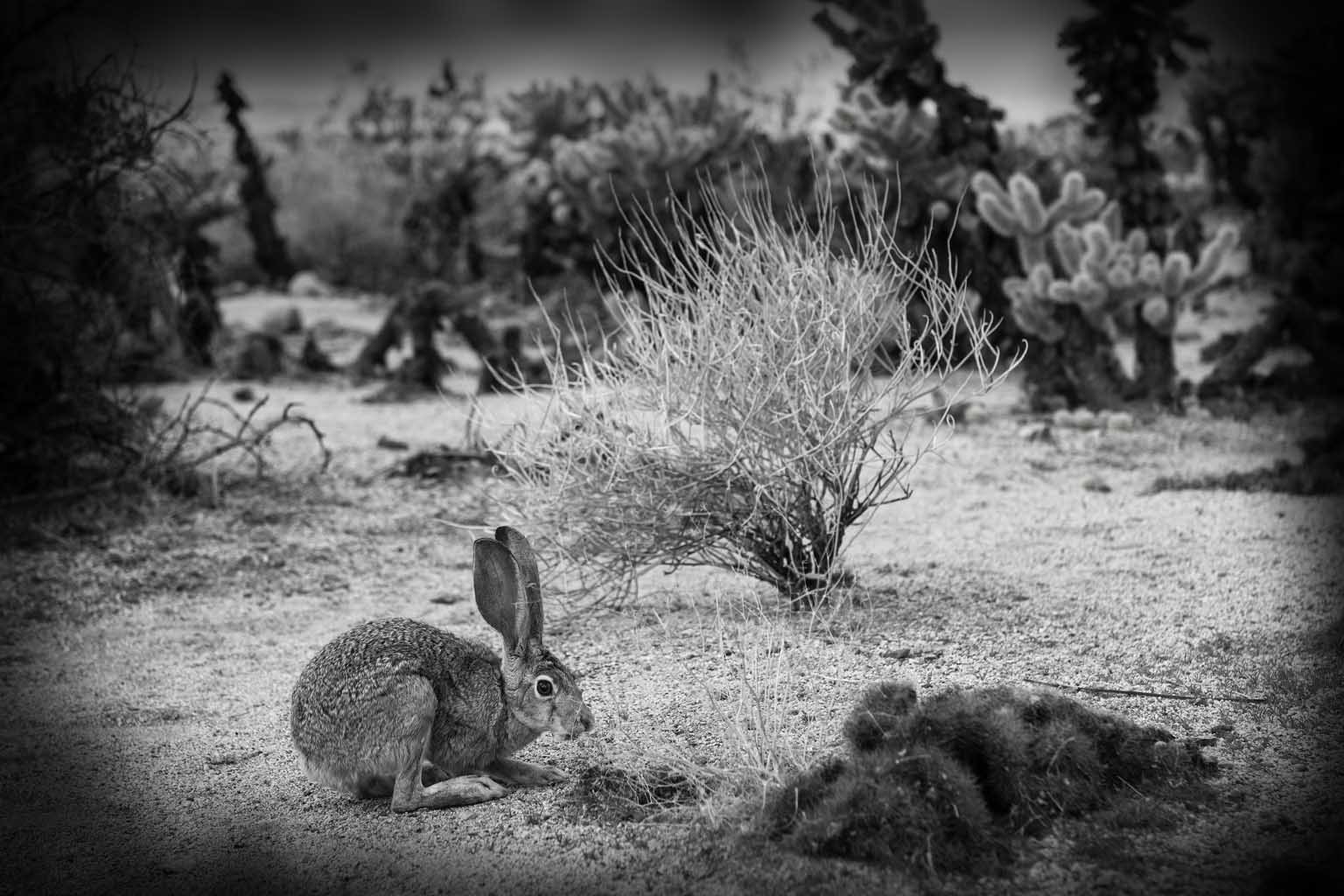
Imagine a wild rabbit species disappearing for over a century—vanishing without a trace—and then suddenly, against all odds, reappearing in the remote mountains of Mexico. That’s exactly what happened with the Omiltemi cottontail rabbit, a creature once declared lost but now confirmed alive, stirring excitement and hope among scientists and conservationists alike.
A century-long mystery finally solved
The Omiltemi cottontail (Sylvilagus insonus) was last officially documented in 1904 and was believed extinct ever since. Located in the tangled cloud forests of the Sierra Madre del Sur in southwestern Mexico, this elusive rabbit baffled researchers for decades. Its habitat is not only tiny but also incredibly difficult to navigate, with steep terrain and thick, misty forests that discouraged exploration. Political challenges and limited funding compounded the difficulty, leaving the species all but forgotten—until a determined ecologist named José Alberto Almazán-Catalán took on the challenge.
Almazán-Catalán’s five-year-long search culminated in the first clear photos of the Omiltemi cottontail in its natural home. This breakthrough wasn’t just a lucky snapshot but the result of blending local indigenous knowledge with modern wildlife monitoring. According to Almazán-Catalán, “Just knowing that it hadn’t been seen by scientists for over 100 years makes this discovery incredible.” His persistence overturned a century-old assumption and opened new doors for research in this underexplored ecosystem.
How locals and technology teamed up
Local communities had long whispered tales of a small, dark-tailed rabbit—one quite unlike the common cottontail rabbits seen elsewhere. Those stories proved to be crucial clues that guided researchers to the right locations. Almazán-Catalán explained that the rabbit’s distinctive short, black tail was a key feature setting it apart from other species, whose tails are usually fluffy and white.
But this rediscovery was not just about folklore. It was also about smart, high-tech methods like motion-activated cameras, drone surveillance, and satellite data analysis. Christina Biggs, a lost species officer with Re:wild—the organization leading the “Search for Lost Species” initiative—said, “This search was full of unexpected turns and employed everything from interviews to drones to find this little rabbit.” These hybrid strategies show how modern conservation blends ancient knowledge with cutting-edge science to uncover nature’s hidden gems.
Why the rabbit stayed hidden for so long
The Omiltemi cottontail’s disappearance from scientific records stems from several factors beyond its rarity. The cloud forests where it thrives are notoriously difficult to access, and due to logistical hurdles, the region has been largely unexplored by biologists for decades. Moreover, the rabbit’s subtle differences led to frequent misidentification; many sightings were mistakenly attributed to common cottontail species.
This elusive nature, combined with dense vegetation and rugged altitude, meant that even the most experienced researchers had trouble finding it. Years of patient observation from locals were invaluable, spotting the rabbit’s signature dark tail amid the greenery. This subtle trait, overlooked for ages, is what eventually confirmed the species’ survival.
Ecological significance and the road ahead
The rediscovery of the Omiltemi cottontail carries weight far beyond the triumph of locating a lost species. Ecologist Almazán-Catalán highlighted its vital role in the ecosystem: “They are important for seed dispersal and form a key part of the food web, supporting predators like snakes, owls, tigrillos, ocelots, pumas, and coyotes.” The rabbit’s survival helps maintain ecological balance in the cloud forest, demonstrating how every species has a role in sustaining biodiversity.
Conservation efforts are now more urgent than ever. Protecting the cloud forests where the Omiltemi lives means safeguarding a whole host of flora and fauna dependent on this fragile habitat. Encouragingly, local communities have expressed willingness to modify hunting practices to ensure the rabbit’s survival. This collaboration between scientists and indigenous people stands as an encouraging model for preserving endangered species.
According to a 2023 report from the World Wildlife Fund, integrating local knowledge with scientific research significantly boosts conservation success rates in remote forest regions (WWF Forest Conservation Report 2023). This approach is exactly what led to the rabbit’s rediscovery, underscoring the need for inclusive conservation strategies.
Have you ever experienced a moment when nature surprised you just like this? Share your thoughts or stories below—we’d love to hear your reactions to this heartening tale of rediscovery and hope!