


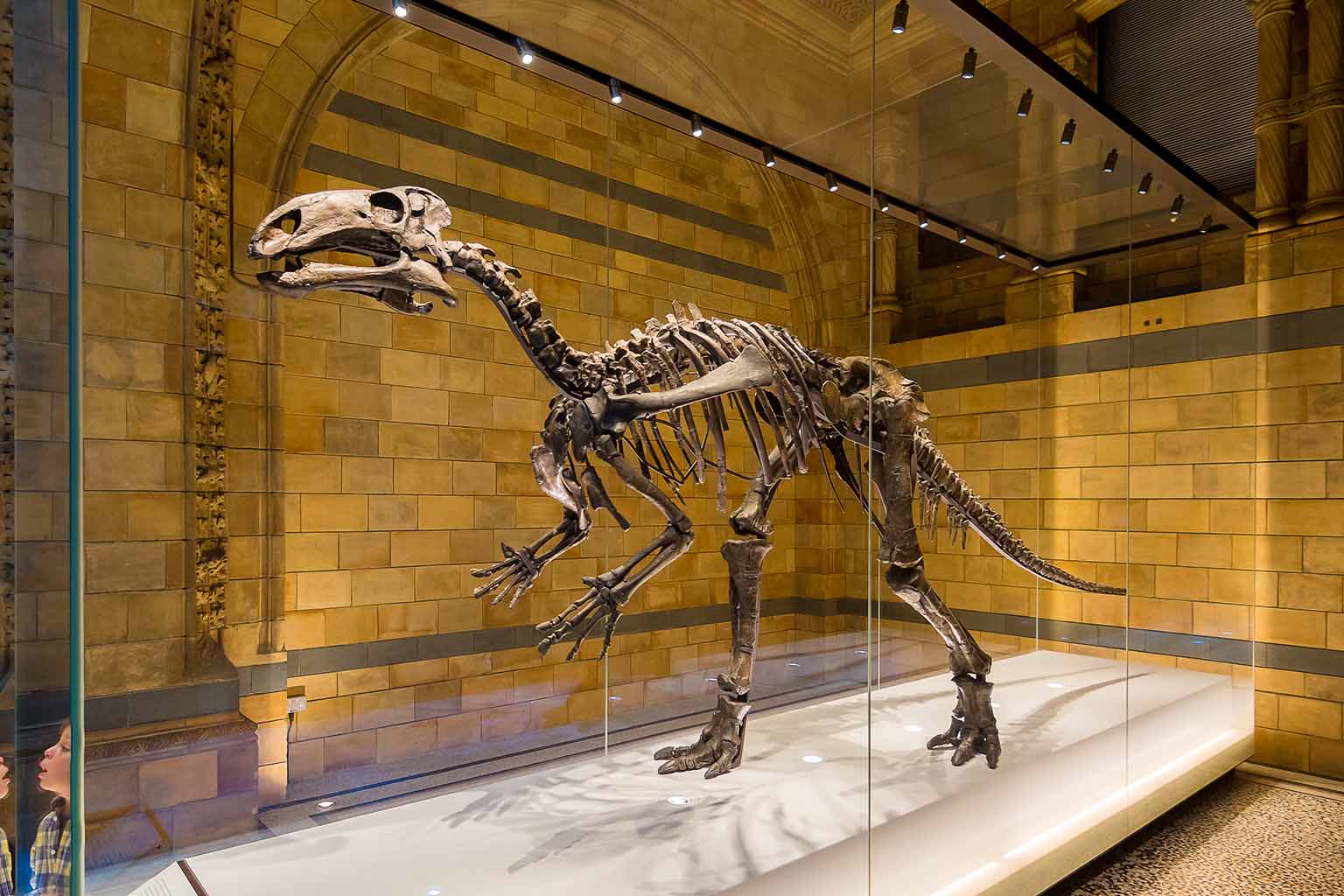
Scientists have uncovered something truly remarkable on the rugged Isle of Skye—one of the rarest glimpses into the life of dinosaurs from the Middle Jurassic period. Imagine a fossil so complete, so well-preserved, that it transforms our understanding of an era long veiled in mystery. This discovery isn’t just another skeleton; it’s a key piece in the complex jigsaw puzzle of dinosaur evolution that has puzzled experts for years.
A landmark find in Scotland’s prehistoric record
Located within the Kilmaluag Formation, a geological treasure trove on the Isle of Skye, researchers have found a dinosaur skeleton dating back an astonishing 166 million years. This specimen, belonging to an ornithischian — a type of herbivorous dinosaur — is the most complete Middle Jurassic dinosaur fossil ever found in Scotland. Discovered initially in 1973 but only excavated and studied as recently as 2018, this fossil has taken decades to reveal its secrets.
Dr. Elsa Panciroli, a prominent paleobiologist from National Museums Scotland and one of the lead researchers, highlights the specimen’s significance: “Dinosaurs from the Middle Jurassic represent a turning point in their evolutionary history, yet fossils from this time are exceptionally rare worldwide.” This find bridges a critical gap in the fossil record, offering fresh insights into a period where dinosaurs began diversifying dramatically.
The elusive Middle Jurassic period unveiled
The Middle Jurassic, spanning roughly 174 to 163 million years ago, was a period of profound change for dinosaurs. Early Jurassic species were mostly modest-sized carnivores or omnivores, but by the Late Jurassic, giants roamed the Earth. This middle era marks the crucial explosion in diversity and adaptation, but as Dr. Panciroli explains, “Our understanding of these evolutionary pathways has been hampered by the scarcity of fossils from this time.”
This rarity makes each discovery invaluable. The Kilmaluag Formation has become a beacon for paleontologists because it preserves these rare traces well. The newly found fossil, lying on a single bedding plane approximately 24 by 16 inches, offers a snapshot of dinosaur life that experts can finally analyze in unprecedented detail.
The fossil itself appears to belong to the Ornithopoda, a subgroup of ornithischian dinosaurs known for their herbivorous diet. If confirmed, this specimen would represent the youngest known example of this group in Scotland and the very first from the Kilmaluag Formation, underscoring the region’s immense paleontological importance.
Piecing together dinosaur evolution and ecosystems
What makes this discovery doubly fascinating is the clarity it brings not only to evolutionary biology but also to paleoecology. Fossils like these are far more than bones — they are windows into the ecosystems of a bygone age. The study, published in the Earth and Environmental Science Transactions of the Royal Society of Edinburgh, emphasizes how Middle Jurassic fossils help scientists reconstruct the environmental contexts where dinosaurs adapted and thrived.
Understanding the dietary habits, behaviors, and interactions of these creatures sheds light on how dinosaur-dominated ecosystems emerged. According to the research team, “New dinosaur finds from the Middle Jurassic are highly significant for understanding the development of dinosaur ecosystems, which would eventually come to dominate terrestrial habitats worldwide.”
An expert in dinosaur paleoecology, Dr. Louise Barrett, once noted that such fossils can reveal “the ecological pressures and evolutionary drivers that shaped these animals’ growth and survival.” This new specimen provides a crucial data point in this quest.
Why this discovery matters today
Discoveries like the Isle of Skye fossil don’t just thrill dinosaur enthusiasts—they have broader scientific implications. According to a recent study from the University of Edinburgh, the Middle Jurassic fossils contribute significantly to the global picture of dinosaur evolution and biodiversity during that era (source).
Moreover, the discovery reminds us that paleontology is a patient science. Sometimes, fossils lie hidden for decades, waiting for the right moment and team to unlock their stories. The painstaking work, from excavation to analysis, requires collaboration among geologists, paleobiologists, and museum curators.
The vibrant enthusiasm and meticulous research behind this discovery exemplify why continuing to explore such unique fossil sites is crucial. Each find helps piece together the rich tapestry of life’s history on Earth, teaching us about the resilience and adaptability of species over millions of years.
Have you ever wondered how scientists connect the dots of deep time? Discoveries like this ignite curiosity and drive a deeper appreciation of our planet’s prehistoric past. Share your thoughts or questions below — what fascinates you most about dinosaurs and their incredible evolutionary journey? Let’s dive into the conversation!