


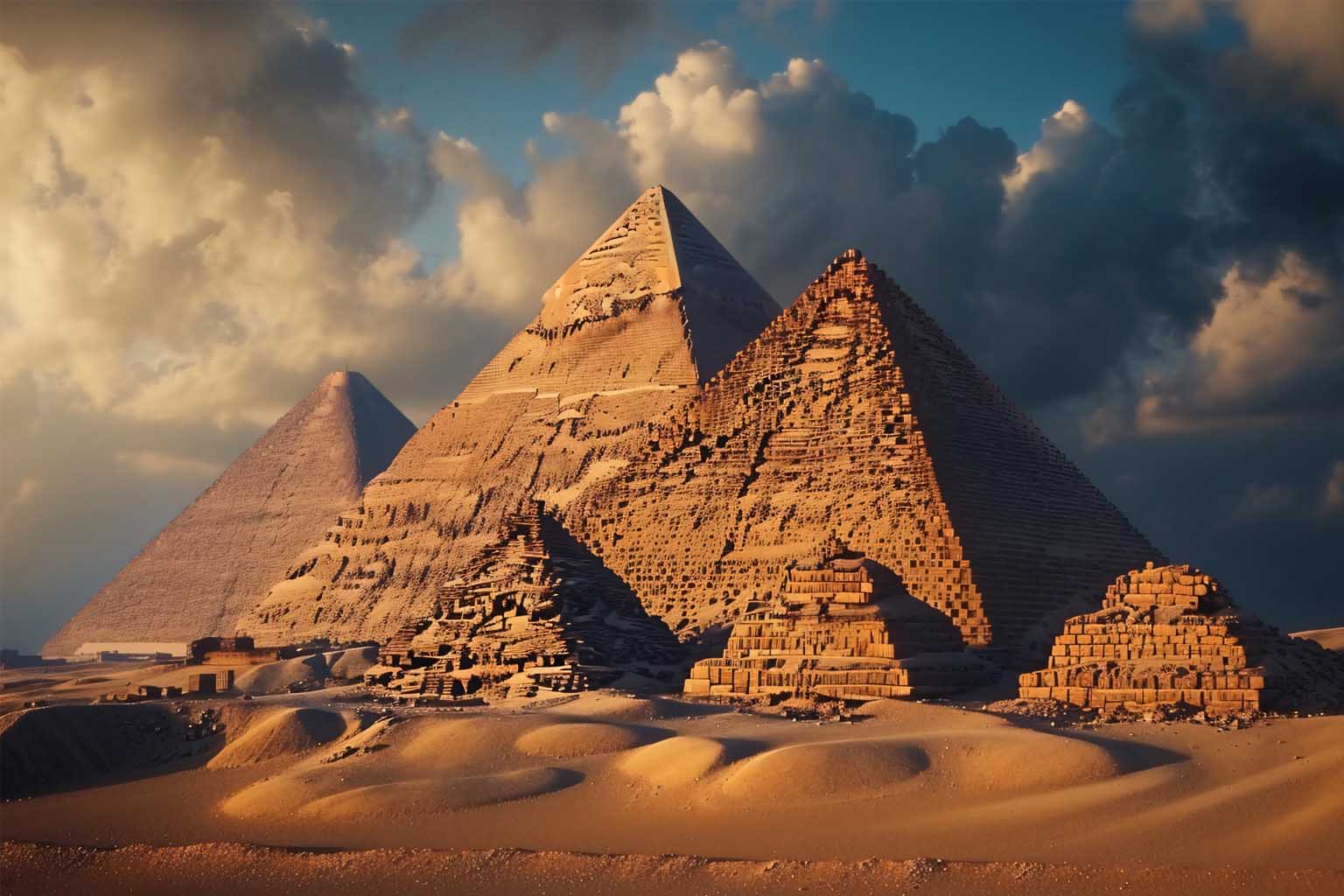
Thousands of visitors flock to the Pyramids of Giza every year, drawn by the allure of one of the world’s most iconic landmarks. But beneath the awe-inspiring façade lies a reality that has long frustrated travelers: overcrowding, aggressive vendors, and concerns over animal welfare. Now, Egypt is stepping up with a bold $51 million revamp aimed at restoring the site’s glory and transforming the visitor experience.
The challenges facing the Pyramids of Giza
The Pyramids of Giza have stood as a symbol of ancient Egyptian greatness for millennia, but modern tourism pressures threaten their charm. Tourists often report feeling overwhelmed by the sheer number of people and the aggressive sales tactics of vendors hawking everything from souvenirs to camel rides.
The horse and camel operators, in particular, have drawn sharp criticism. Many visitors accuse them of harassment and even extortion. Alongside this, animal rights groups like PETA have repeatedly highlighted troubling reports of neglect and abuse of the animals used for rides. These concerns cast a shadow over the historic landmark’s reputation.
The $51 million transformation plan
In response, the Egyptian government, in partnership with Orascom Pyramids Entertainment Services Company, has launched a comprehensive overhaul to tackle these issues head-on. Central to this plan is improving the flow of visitors and enhancing the site’s sustainability.
One key change is the testing of a new entrance on the Fayoum Highway to replace the congested and noisy access point near the Marriott Mena House hotel. This is expected to ease traffic bottlenecks that have frustrated tourists and locals alike.
Another controversial, yet crucial, part of the revamp involves relocating horse and camel vendors to designated parking zones farther from the entrance. This move, intended to reduce the vendors’ unwanted pressure on visitors and limit animal cruelty, has sparked protests. Vendors fear losing business and livelihood due to the distance from the main tourist flow.
But businessman Naguib Sawiris, a leading figure in the project, has taken a firm stance. He made it clear on social media that those refusing to move to the new zones would be banned from operating at the site, emphasizing that the well-being of the public and preservation of the Pyramids outweigh the interests of a few individuals who have historically caused problems.
Introducing electric vehicles to reduce congestion
Environmental sustainability is another cornerstone of the project. Private cars and tour buses are being replaced with electric vehicles, including 45 electric buses that run every five minutes. This shift aims to lower the carbon footprint and improve air quality in the area, offering tourists a greener and quieter way to explore the site.
However, some visitors have voiced complaints online about wait times and the limited availability of the electric buses during peak hours. Still, experts see this as a positive step toward balancing high tourist volume with environmental responsibility.
According to a 2023 report by the International Ecotourism Society, sustainable tourist transportation significantly contributes to reducing pollution and preserving heritage sites worldwide, which supports Egypt’s initiative here.
Addressing animal welfare concerns
For animal lovers and ethical travelers, the use of horses, camels, and donkeys for rides at Giza has long been a sore spot. PETA’s investigations have documented alarming abuse cases, including animals subjected to malnutrition, injuries, and brutal treatment. One representative recently said, “The Pyramids of Giza should symbolize Egypt’s beauty and history—not unchecked animal abuse.”
The government’s plan aims to phase out animal rides gradually, prioritizing the health and dignity of these creatures. By relocating vendors and promoting electric vehicle tours, authorities hope to create a tourism model that respects both heritage and humane treatment of animals.
A future for the Pyramids that balances legacy and modernity
This $51 million project marks a significant effort to reconcile the needs of millions of tourists with the preservation of an ancient wonder. It’s a delicate balancing act: enhancing the experience without compromising the site’s physical and cultural integrity.
As the renovations continue, the message from key figures like Naguib Sawiris underscores a commitment to safeguarding this treasure for future generations. It’s not just about managing crowds or traffic; it’s about restoring pride and respect in how the Pyramids of Giza are experienced.
The changes will likely transform the site’s atmosphere and flow, but only time will tell if they fully succeed in satisfying visitors, vendors, and advocates alike.
If you’ve visited the Pyramids recently or have thoughts on sustainable tourism and heritage preservation, share your experience below. Your voice is part of this evolving story.