


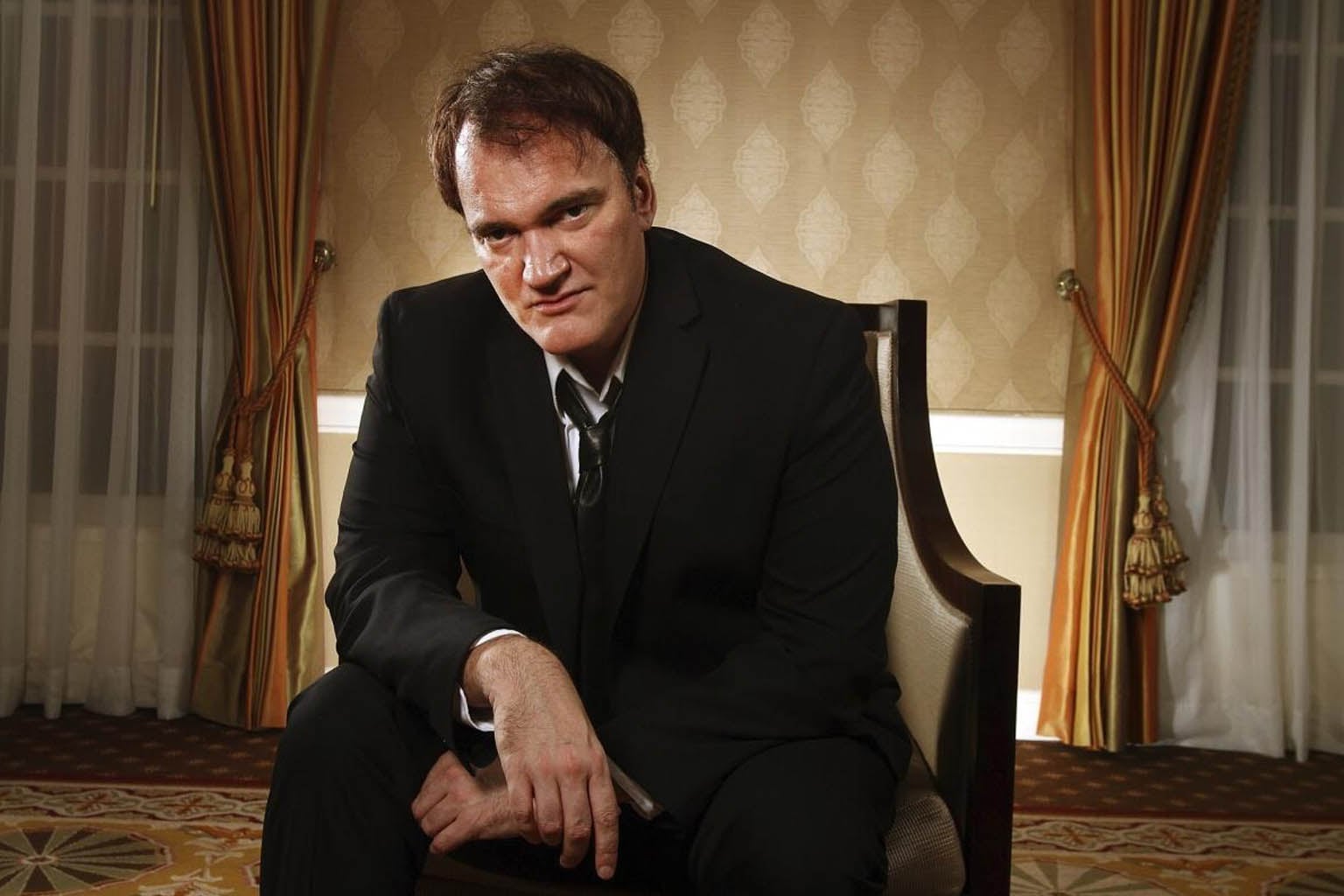
Quentin Tarantino’s unapologetic praise for Robert De Niro might just change the way you see one of cinema’s living legends. In a rare and heartfelt tribute, the legendary director opens up about why he believes De Niro stands head and shoulders above every other actor he’s worked with.
A director’s honest admiration
Back in 1998, during an intimate conversation with journalist Charlie Rose, Quentin Tarantino didn’t hold back when it came to his respect for Robert De Niro. The director, fresh off the release of *Jackie Brown*, where De Niro played the subdued yet unpredictable Louis Gara, spoke with genuine awe about the actor’s craft.
“He deserves his reputation, it’s probably the best actor of his generation,” Tarantino said, expressing a sentiment often shared but rarely voiced this plainly by someone of his standing. As Tarantino reviewed *every frame* of De Niro’s performance during the editing process, his respect only deepened.
“In looking at every little piece of footage, I came to the conclusion: I think he’s the best actor in the world.”
Considering Tarantino’s history of working with immense talents like Leonardo DiCaprio, Brad Pitt, Uma Thurman, and Margot Robbie, this is a powerful endorsement. For Tarantino, De Niro’s quiet intensity in *Jackie Brown* eclipsed all others.
The magic of being in the moment
What makes De Niro’s acting so captivating to Tarantino? It’s all about presence. The director points out that De Niro is “consumed by his character” in a way few actors ever achieve. This isn’t just a surface-level transformation. Tarantino explains that De Niro lives genuinely in every moment of the performance.
“What I mean is that when Robert plays Louis and you look at each tiny shot of him that you’ve filmed, at every moment, he is Louis,” Tarantino elaborated. This commitment to “moment to moment” acting means De Niro isn’t thinking about the next line or scene—”the after doesn’t exist.” His entire focus is on what’s happening *right here, right now.*
That kind of dedication, fleeting yet powerful, is what sets De Niro apart. Tarantino calls it “one of the most complete” performances he’s ever witnessed in his career.
De Niro’s enduring legacy in film
Robert De Niro’s career has spanned decades and earned him acclaim far beyond *Jackie Brown*. With two Academy Awards under his belt for *The Godfather Part II* and *Raging Bull*, his name is synonymous with the golden age of American cinema. Throughout his career, De Niro has played unforgettable roles in classics like *Taxi Driver*, *Casino*, and more recently, *Killers of the Flower Moon*.
His partnerships with visionary directors like Martin Scorsese have produced some of the most iconic characters the medium has ever known. De Niro’s ability to fully disappear into his roles has captivated audiences worldwide, earning him respect from critics and peers alike.
According to a report by the Academy of Motion Picture Arts and Sciences, De Niro’s work remains a benchmark of immersive acting technique—a fact that strengthens Tarantino’s claim.
A rare glimpse into Tarantino’s thoughts
Few moments give us such an intimate perspective on Quentin Tarantino’s personal take on acting greatness. His 1998 interview reveals a side of him that’s deeply thoughtful about what makes a performance truly memorable.
In *Jackie Brown*, De Niro’s portrayal of Louis Gara wasn’t flashy but carried a powerful weight. For Tarantino, watching De Niro was watching “a man who has completely become his character.” That kind of total immersion is rare and priceless, especially in an industry often fixated on star power and charisma.
This admiration goes beyond simple fan praise. It speaks to the craft of acting as an art form—a commitment to truth and presence that resonates on screen in every frame.
For anyone fascinated by film or performance, Tarantino’s praise offers a powerful reminder: the greatest acting isn’t just what you see—it’s what you *feel* in those moments of absolute commitment.
If you’ve ever been moved by Robert De Niro’s work, or hold Tarantino’s films close to your heart, you know what that kind of focus looks like. Now you have insight from the man who directed one of De Niro’s most understated yet brilliant performances.
What do you think? Does De Niro deserve the title of “best actor in the world”? Share your thoughts or favorite De Niro role in the comments below — we’d love to hear your take!