


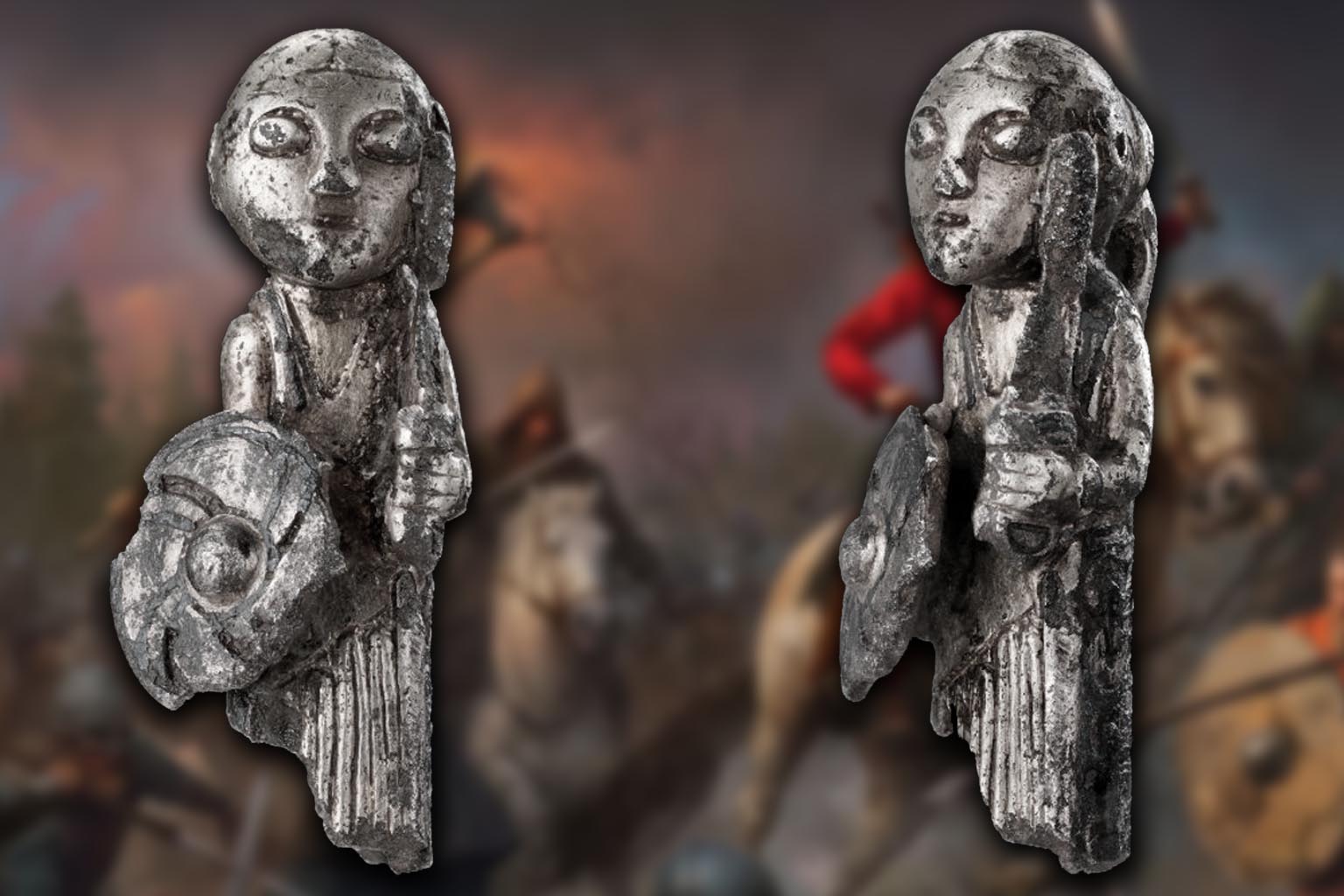
A 1,200-year-old archaeological gem uncovered in Denmark is rewriting what we know about Viking women and their roles in Norse society. This exquisite figurine, armed with a sword and shield, offers a rare glimpse into the mystique of the Valkyrie—a legendary figure long woven into Norse mythology.
The Stunning Discovery of the Hårby Valkyrie
Nestled in the Danish village of Hårby, near Funen Island, is a small but extraordinary artifact that has captivated historians and archaeologists alike: the Hårby Valkyrie. Discovered in 2012 by metal detector enthusiasts, this silver figurine, just 1.3 inches tall and weighing less than half an ounce, dates back roughly 1,200 years to the early Viking Age around A.D. 800.
What sets this piece apart is its detailed craftsmanship. Made from silver coated with a delicate layer of gold, the figurine depicts a woman with a short sword in one hand and a shield in the other, sporting a distinct ponytail and dressed in a flowing pleated skirt. Intricate patterns and niello—an elegant black metallic inlay—highlight the figure’s form, emphasizing the artistic skill invested in its creation.
The Museum of Odense, which highlighted the find in their publication Skalk Magazine, emphasizes how this artifact encapsulates the rich cultural tapestry and complex societal roles that women inhabited during the Viking Age.
Symbolism of the Valkyrie in Viking Culture
In Norse mythology, Valkyries were more than mere women; they were supernatural warriors acting as Odin’s choosers of the slain. These divine maidens were tasked with deciding the fate of warriors on the battlefield—selecting those destined to perish and escorting them to Valhalla, the warrior’s paradise where fallen heroes would await the final cataclysm, Ragnarok.
Valkyries have been immortalized as fierce, armored women who embody strength, bravery, and honor—all vital virtues in Viking society, where valor in combat was paramount. This figurine’s sword and shield convey not just martial prowess but also the cultural idealization of women as protectors of honor and participants in the saga of life and death.
The Larger Significance of Women’s Roles in Viking Society
The Hårby Valkyrie creates an important counterpoint to common misconceptions that Viking women were relegated to purely domestic roles. Instead, archaeological and historical evidence increasingly suggests that women could hold powerful positions, whether as queens, priestesses, or warriors.
According to a 2021 study published by the University of Oslo, analyses of Viking-age graves reveal that women were sometimes buried with weapons and regalia, indicating social status and potential active participation in warfare or leadership roles (nature.com). This figurine adds physical weight to those scholarly findings, acting as a tangible symbol of women’s respected roles in Norse society.
Craftsmanship and Cultural Legacy
The detailed artistry of the figurine reveals more than just an image of a mythical figure. It showcases Viking metalworkers’ advanced skills, employing sophisticated techniques like niello to bring out vivid contrasts that highlighted the figure’s features.
This small statue also serves as cultural testimony: it is an emblem of how mythology and everyday life intersected in Viking culture. The repeated imagery of the Valkyrie fed into societal ideals about fate, valor, and the afterlife, helping to reinforce collective beliefs.
What This Discovery Means Today
Beyond its archaeological importance, the Hårby Valkyrie challenges modern perceptions about gender and mythology. It illustrates how women were not just passive figures behind the scenes but active participants—whether real or symbolic—in the epic Viking saga.
Dr. Ingrid Bjornsdottir, a renowned Norse historian, explains that “the Valkyrie myth made female strength and agency central to the Viking worldview, providing a powerful counter-narrative to male-dominated histories” (Norse Historical Review, 2023). Such insights remind us how ancient stories and artifacts inform present-day understandings of gender roles and cultural identity.
The Hårby figurine is more than a relic; it’s a conversation starter about the many layers of Viking life and lore that continue to resonate.
If this story sparked your curiosity or challenged your views about Viking women and mythology, we’d love to hear your thoughts. Share this article and join the conversation in the comments below—your perspective matters!