


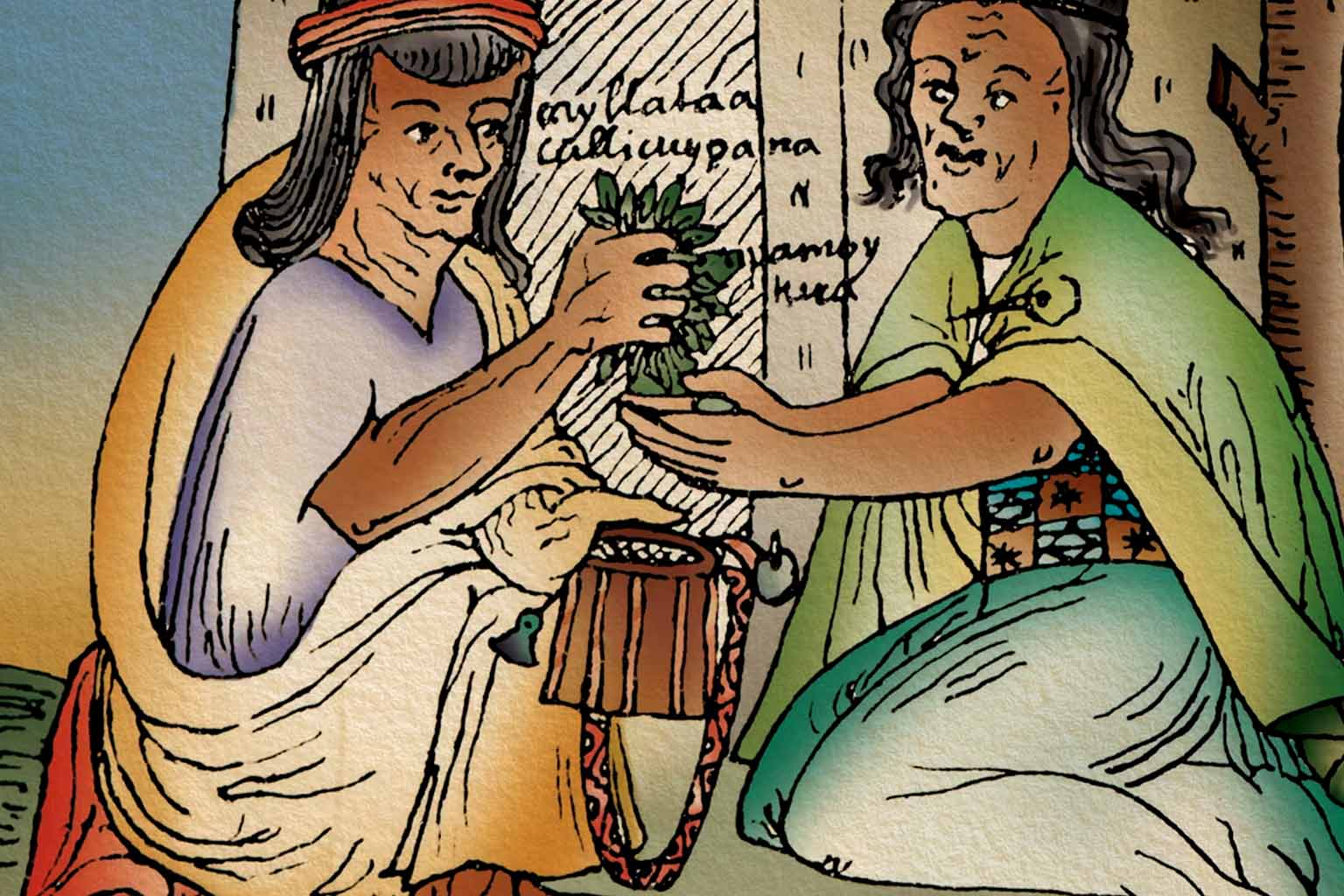
Imagine a world where the misty mountains conceal not only ancient ruins but also secrets of how powerful substances shaped the very fabric of society. Deep in the Peruvian Andes, archaeologists have uncovered a stunning revelation: an ancient South American civilization used hallucinogens as a tool for social control and religious authority. This discovery offers an extraordinary glimpse into the complex interplay between spirituality, power, and community more than two millennia ago.
The Chavín Civilization’s Psychedelic Rituals
At the remote archaeological site of Chavín de Huántar, perched 10,000 feet above sea level, researchers have unearthed hollow bone tubes carved from llama and deer bones. These tubes bear traces of powerful psychoactive substances—including nicotine from wild tobacco species and vilca, a potent hallucinogen. This finding, as reported by ZME Science, represents the oldest direct evidence of such plant use in the central Andes.
According to Dr. Daniel Contreras, an archaeologist at the University of Florida, these substances weren’t simply recreational. Instead, they were woven into carefully controlled religious ceremonies designed specifically to legitimize the power of the elite. These rituals offered more than spiritual enlightenment; they were a method for reinforcing social hierarchies and divine authority.
Ritual Substances as Instruments of Power
The discovery highlights an important facet of Chavín culture: psychoactive plants were not used casually or communally but restricted to a religious elite. Through the ritual use of these hallucinogens, the Chavín leaders created altered sensory experiences—from disorienting soundscapes to manipulated lighting—that reinforced their exclusive connection to the divine.
This experiential manipulation made the ruling class appear to wield supernatural authority, which in turn helped maintain the existing social order. The psychological impact of these rituals legitimized the notion that social inequality was not only natural but ordained by higher powers. It is a poignant example of power reinforced through spiritual and chemical means.
Ancient Innovations in Social Control
The Chavín civilization (circa 1200 to 500 BC) is already renowned for its sophisticated art and monumental stone architecture, but this breakthrough adds a new dimension to their cultural influence. It suggests that alongside impressive physical structures, the Chavín crafted elaborate ritual experiences that leveraged hallucinogens to maintain control.
Like many ancient societies worldwide, such as the use of peyote by Indigenous groups or the Soma referenced in Vedic texts, the Chavín’s use of psychoactive plants was deeply integrated with governance and religious practice. Experts believe these substances were critical tools for shaping perceptions and religious authority, with echoes found in later Andean civilizations.
Insights from Modern Science
This archaeological work is bolstered by scientific analysis of chemical residues on the snuff tubes, providing conclusive evidence of drug use in these ancient rituals. According to a recent study published in the National Institutes of Health (NIH) database, chemical residue analysis is a powerful technique helping archaeologists confirm the presence of psychoactive substances in ancient artifacts, lending credibility and context to cultural interpretations.
Researchers like Contreras emphasize that these findings alter our understanding of prehistoric social strategies and highlight the sophistication of ancient Andean societies in using altered states of consciousness to bolster elite power. It challenges the idea that prehistoric religion was purely communal or egalitarian, showcasing instead a clear link between ritual intoxication and social control.
The Lasting Legacy of the Chavín Society
Although the Chavín civilization vanished centuries ago, their innovative blend of religion, hallucinogens, and power dynamics continues to influence Andean cultures and captivates scholars today. Their rituals, embedded with sensory manipulation and the use of sacred substances, represent one of humanity’s earliest documented instances where drugs were employed to reinforce elite authority and shape social hierarchies.
The site’s monumental architecture remains a testament to their technological prowess, while the chemical signatures tied to religious practice reveal a sophisticated understanding of human psychology and social organization. This multidimensional legacy underlines the deep connections between spiritual belief, political power, and chemical tools in human history.
Have you encountered other examples of ancient societies using substances to shape social or religious orders? Share your thoughts and discoveries in the comments below. How do you think these ancient practices compare to modern-day use of psychoactive substances in religious or social settings? Your insights matter—join the conversation and spread the word!