


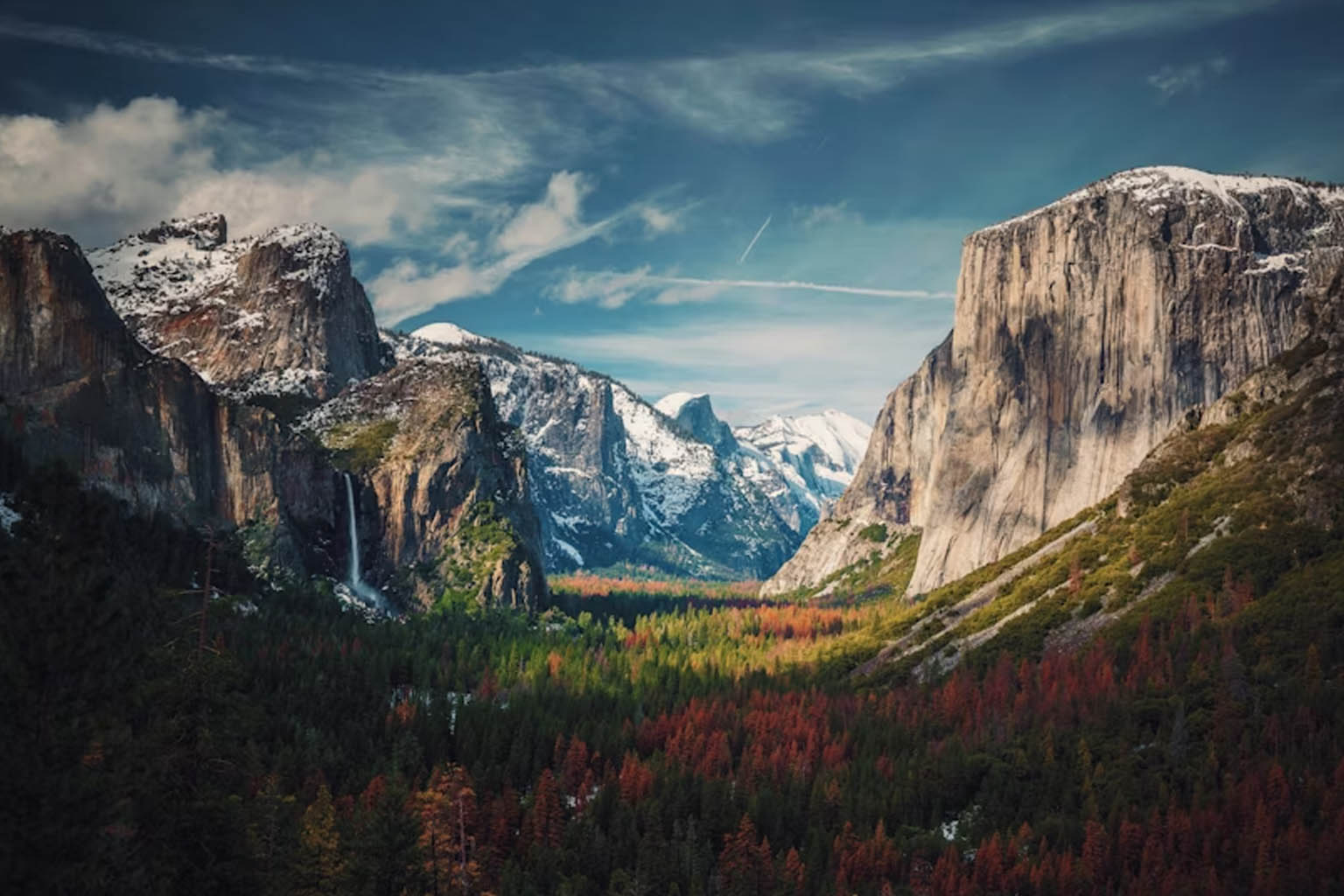
A massive crack is unsettling Yosemite’s legendary granite cliffs, spreading faster than anyone expected. Climbers were the first to notice the dangerous fracture that is threatening to reshape one of the park’s most beloved landmarks. With experts closely watching this geological drama unfold, officials are moving quickly to keep visitors safe.
The Startling Discovery of a Growing Crack
Yosemite National Park’s Royal Arches cliff has always been a favorite spot for climbers and sightseers alike. But last week, an alarming new fracture was spotted by climbers near the popular Super Slide route. The crack was not just visible—it was actively moving, creating unsettling sounds reminiscent of cracking ice. Jesse McGahey, the Supervisory Park Ranger at Yosemite, described the phenomenon as “something highly unusual.” Visitors observed small rocks falling from the crevice, even though no one had touched it, signaling ongoing instability in the granite.
The rapid discovery highlights the value of having well-informed visitors who can alert authorities, triggering a quick response to potential hazards.
Scientific Monitoring Reveals Unprecedented Movement
After the initial report, a team including a climbing ranger and a seasoned geologist—who has studied Yosemite for over 15 years—was dispatched to examine the site. Their measurements revealed that within a single week, the crack shifted by about one inch. For seasoned Yosemite geologists, this was unprecedented. The team is unsure if the fracture signals an imminent rock collapse or a slower geological shift, but the level and speed of movement definitely raise concerns.
This observation aligns with research from the U.S. Geological Survey, which notes that sudden rock fractures near climbing areas can pose serious risk and require ongoing assessment. According to a USGS report on rockfalls in national parks, monitoring rapid rock movements is essential to prevent accidents and to understand the evolving landscape.
Yosemite’s Granite: A Living, Changing Landscape
While Yosemite’s towering granite cliffs appear timeless, they are continually reshaped by natural forces. The valley’s dramatic features were mainly carved by glaciers during the last Ice Age, but even today, processes like frost wedging play a crucial role in reshaping the rocks. This process occurs when water seeps into cracks, freezes, and expands, slowly forcing the rock to split apart over time.
Other factors influencing rock stability include plant root growth, water infiltration, and seismic activity—all common in this dynamic environment. The National Park Service explains that while rockfalls are a natural part of Yosemite’s evolution, unusual cracks like this one demand close attention to protect visitors and preserve the park’s beauty.
Safety Measures and Trail Closures in Effect
Given the uncertainty around the crack’s progression, Yosemite National Park officials have taken swift action to safeguard the public. On August 30, they closed parts of the park surrounding Royal Arches and nearby climbing routes. Visitors and climbers are asked to respect all posted closures and avoid these high-risk zones until further notice.
Jesse McGahey emphasized that while the park is still monitoring the crack, safety remains the top priority. No timetable for reopening these areas has been given, as officials weigh the geological data and potential hazards.
The rapid decision to restrict access recalls previous closures in the park when rockfalls or unstable formations posed dangers. This proactive approach reflects Yosemite’s commitment to blending visitor access with conservation and safety.
This situation also underscores a broader lesson about natural parks: landscapes we cherish are constantly evolving, and respecting nature’s power is essential to enjoying it safely.
Experts Urge Vigilance and Continued Study
Dr. Lisa Nguyen, a geologist specializing in rockfall hazards, explains in a 2024 study that “quick shifts in granite formations, especially in heavily trafficked climbing areas, can precede larger rockfalls.” She stresses the importance of real-time monitoring and adaptive management strategies in parks like Yosemite to prevent accidents.
As Yosemite’s geology continues to unfold, experts urge visitors to stay informed and heed park guidelines. Climbers should regularly check park alerts, and casual visitors should respect closures for their safety and to allow scientists the space needed for ongoing research.
The sudden crack near Royal Arches is a vivid reminder of the living, breathing geology that defines Yosemite National Park. It’s a call to both appreciate and protect this iconic landscape.
What do you think about Yosemite’s changing cliffs? Have you witnessed similar natural phenomena in national parks? Share your thoughts and experiences in the comments below, and don’t hesitate to spread the word to help others stay informed and safe.