


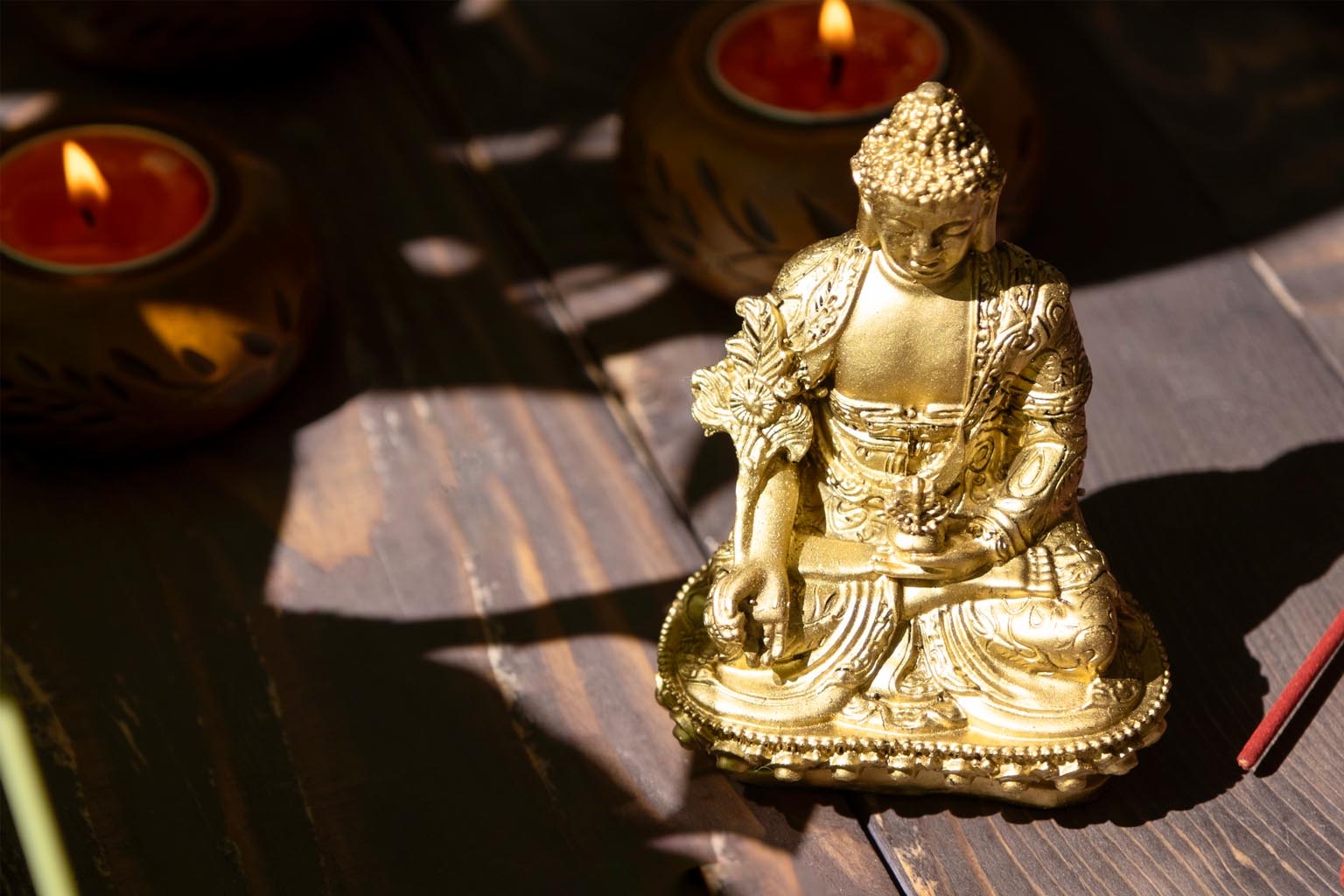
Archaeologists have uncovered a remarkable treasure trove of ancient Buddhist relics dating back over 1,300 years in northeastern Thailand. This discovery, made at the historic Wat Thammachak Sema Ram temple, is rewriting the story of early Southeast Asian religious practices and artistry. The stunning collection of gold, silver, and bronze artifacts reveals a vibrant cultural exchange and spiritual devotion during the Dvaravati period, a transformative era for Thai Buddhism.
Unearthing a Window into Ancient Buddhist Traditions
The Wat Thammachak Sema Ram temple, located in the Sung Noen District, has long been revered as a spiritual center since the 6th to 11th centuries AD. It played a pivotal role in shaping the early development of Thai Buddhism during the Dvaravati period. Archaeologists, led by Thailand’s Fine Arts Department, were carrying out preservation work around a renowned reclining Buddha statue when they discovered a clay vessel buried 4.3 feet below the ground. This vessel held 33 intricately crafted artifacts made of precious metals, suggesting a sacred purpose like religious offerings or burial rites.
This find is more than a cache of valuables; it offers a precious glimpse into the material culture and religious life of the time, broadening our understanding of how spirituality and art intertwined in ancient Southeast Asia.
A Stunning Collection of Gold, Silver, and Bronze Artifacts
The excavated artifacts comprise a dazzling array of gold rings, silver earrings, and ornamental bronze accessories that highlight the skilled craftsmanship of the period. Among the most captivating are spiral hoop earrings akin to examples found at other significant sites in Phu Khao Thong, Ranong Province, and Tha Chana, Surat Thani. This similarity underscores a wider cultural exchange network that connected communities across the region.
One of the centerpiece discoveries is an embossed plate made from a lead-tin alloy, intricately depicting a seated Buddha in the Vitarka Mudra—a symbolic hand gesture that represents the transmission of spiritual wisdom. According to Dr. Araya Chaisri, an expert in Southeast Asian archaeology, such iconography “reflects complex religious symbolism that was crucial for conveying Buddhist teachings in ritual contexts.”
Religious Symbolism Illuminates Ancient Spiritual Worlds
Beyond their material beauty, these relics provide profound insights into the spiritual beliefs and rituals of early Buddhist communities in the region. The Vitarka Mudra on the lead-tin plate represents teaching and intellectual discussion, emphasizing the role of wisdom-sharing in Buddhist practice. Additionally, archaeologists found a damaged relief image of a standing Buddha performing the Vitarka Mudra with both hands, flanked by attendants including a figure resembling Phra Phrom, the Thai form of the Hindu god Brahma.
This artistic fusion of Buddhist and Hindu symbols captures the religious syncretism characteristic of ancient Southeast Asia, where spiritual traditions often blended. The coexistence of these iconographies suggests a mutual respect and assimilation of diverse religious practices, enriching the cultural tapestry of the time.
Contextualizing the Discovery with Expert Perspectives
The discovery at Wat Thammachak Sema Ram echoes findings documented in a 2023 report by the UNESCO Southeast Asia Cultural Heritage Review, which highlights how archaeological evidence continues to reshape our understanding of the region’s early spiritual and cultural exchanges. According to the report, “Artifacts such as these provide vital evidence that ancient Southeast Asian societies were hubs of intricate religious dialogue and artistic innovation.”
Furthermore, recent studies in the Journal of Asian Archaeology reinforce the importance of religious artifacts in understanding ancient societal structures, noting that objects like those unearthed here “functioned as both devotional tools and markers of elite status within emerging Buddhist communities.”
Such evidence cements the role of discoveries like this in constructing accurate historical narratives, showcasing the convergence of archaeological expertise and cultural heritage management.
Your thoughts and reactions matter! Have you visited any ancient temples or witnessed discoveries that changed how you viewed history? Share your experiences and insights in the comments below, and don’t forget to share this remarkable story with others who appreciate cultural heritage and spiritual history.