


Scientists have uncovered a disturbing secret buried deep beneath the Mediterranean Sea’s surface. Far below the waves, in the ocean’s darkest trench, an unprecedented amount of human waste has been discovered, challenging our assumptions about how far pollution has spread.
The Calypso Deep, the Mediterranean’s deepest trench, plunges to an astounding 16,772 feet (5,112 meters) in the Ionian Sea. Recent research revealed a shocking reality: one of the highest concentrations of marine debris ever documented in a deep-ocean environment. This graveyard of plastics, glass, metal, and paper paints a stark picture of our growing environmental crisis.
The Calypso Deep: A Hidden Dumping Ground for Ocean Waste
Situated just 37 miles west of Greece’s Peloponnese coast, the Calypso Deep has long been mysterious and difficult to explore. Led by marine geologist Miquel Canals of the University of Barcelona, an international team studied the seafloor and found 167 objects resting on the abyssal plain. Alarmingly, 148 of these were confirmed as marine debris, ranging from plastic bags to glass shards and metal fragments.
This discovery breaks the misconception that pollution only troubles coastal and shallow waters. Instead, the Calypso Deep acts as a natural trap for waste transported by ocean currents from throughout the Mediterranean and beyond. Here, slow-moving currents—about 0.8 inches (2 centimeters) per second—cause debris to settle and accumulate over time. Canals explains, “Unfortunately, as far as the Mediterranean is concerned, it would not be wrong to say that not a single inch of it is clean.”
Tracing the Journey of Ocean Pollution to the Deep
Much of the debris originates near coastlines, drifting to the trench over time. Canals notes that light waste, such as plastic bags, “drift just above the bottom until they are partially or totally buried, or break down into microplastics.” Some debris comes directly from human dumping at sea—evidence includes nearly straight-line furrows where waste was apparently pushed overboard.
This dual origin of marine pollution—from both land-based and maritime sources—illustrates the complexity of solving this crisis. Research outlines multiple human activities driving pollution, including tourism, fishing, and shipping traffic. Given that the Mediterranean is a semi-enclosed sea surrounded by highly populated countries, it’s particularly vulnerable.
A 2021 study published in the journal Scientific Reports identified the Strait of Messina nearby as one of the highest-density marine litter hotspots worldwide. Experts warn this situation threatens delicate ocean ecosystems and requires urgent policy attention.
The Silent Threat to Marine Ecosystems
While the Calypso Deep’s extreme depths and harsh conditions mean it supports limited marine life, the impact of this pollution on more biodiverse Mediterranean areas is deeply concerning. Marine animals face threats such as entanglement, ingestion of plastics, and habitat disruption.
Dr. Canals highlights that debris interacts with organisms in complex ways: it can cause ghost fishing (trapping animals), serve as new but harmful surfaces for growth, or be mistaken for food. These interactions can ripple through the food chain, damaging biodiversity and ecosystem functions.
Such findings underscore an urgent need for raising public awareness and stronger environmental stewardship to protect more vibrant ocean habitats from such invisible dangers.
How Cutting-Edge Technology Reveals the Ocean’s Hidden Crisis
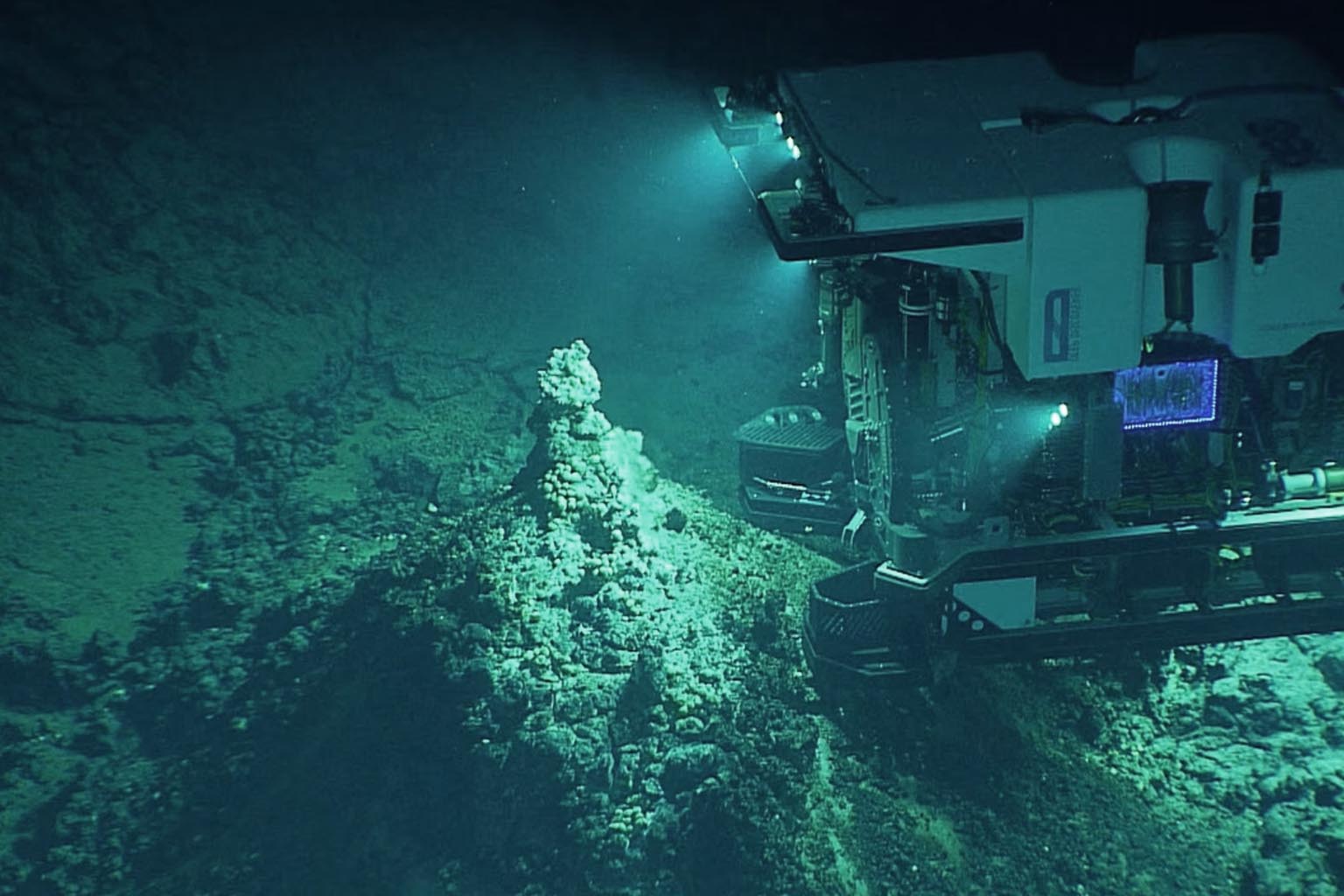
Exploring the depths of Calypso Deep requires specially designed technology. The team deployed the Limiting Factor, a high-tech submersible capable of deep ocean descents, to collect real-time images and samples from the abyssal trench. According to Canals, “More time is spent in the descent and ascent than on the seafloor itself,” emphasizing the challenges of deep-sea research.
Despite limited time underwater, the mission successfully documented the extent of debris accumulating in remote ocean trenches. This technology is vital for understanding pollution’s far-reaching impacts beyond the surface, guiding conservation and policy efforts.
According to a Marine Pollution Bulletin report, these findings should spur policymakers and global leaders to endorse stricter waste management practices, support the UN Global Plastics Treaty, and promote sustainable consumption habits worldwide.
The Mediterranean Sea, rich in history and biodiversity, now stands as a stark reminder that no corner of the ocean is immune to human influence—no matter how deep it is.
If you found this eye-opening, share your thoughts or experiences about ocean conservation in the comments. What steps do you think matter most to protect our seas? Let’s start a conversation.