


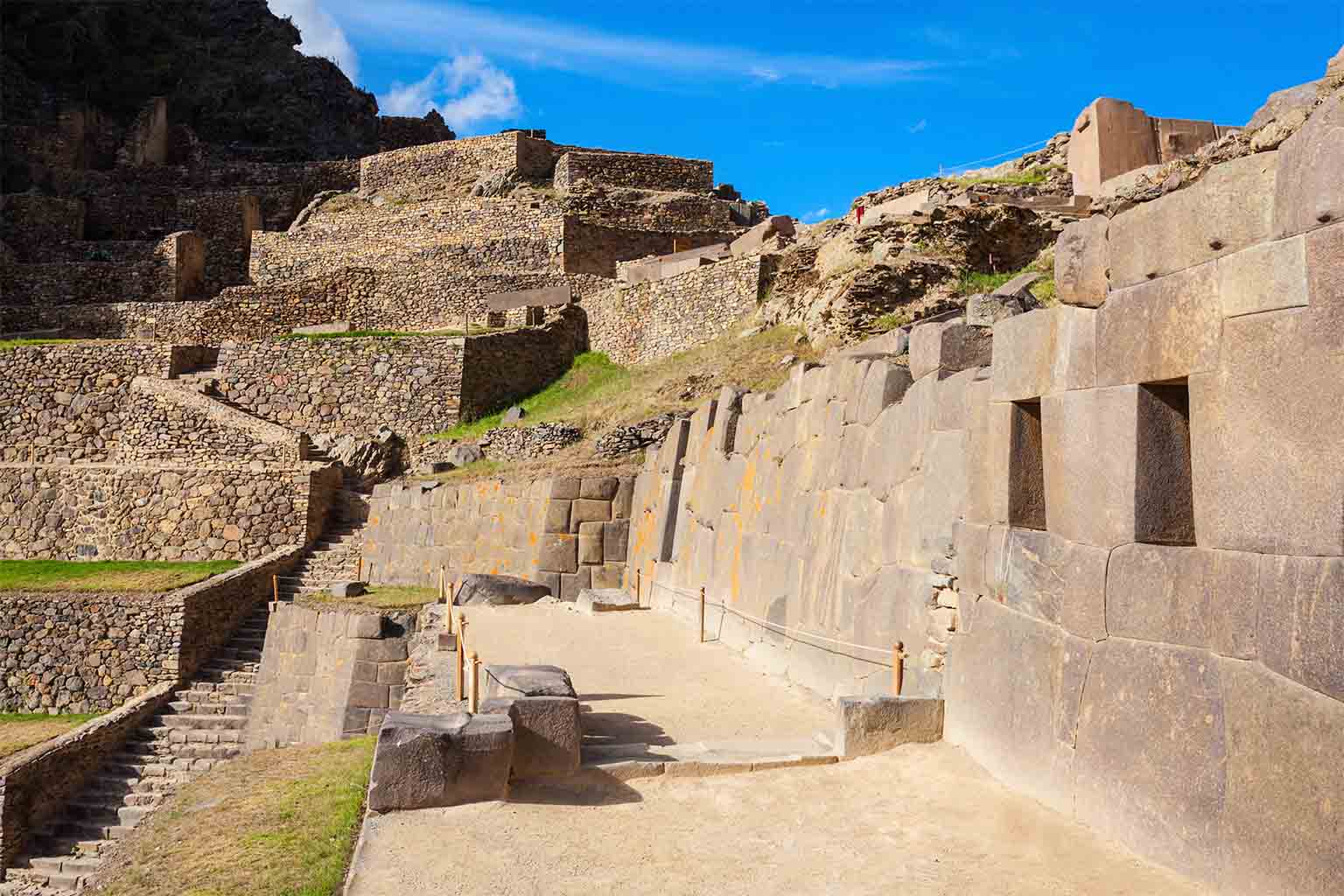
Archaeologists have unlocked a remarkable secret buried beneath the shifting sands of northwestern Peru—a lost temple dating back an astonishing 5,000 years. This ancient site doesn’t just rewrite history; it breathes new life into our understanding of early Andean religious and cultural practices. With walls built from rammed earth and a mysterious ceremonial stage, the temple reveals a sophisticated architectural heritage that connects us directly to the dawn of organized spirituality in Peru.
A Hidden Gem Unearthed in Peru’s Desert
The excavation, led by Luis Armando Muro Ynoñán and his team from the Cultural Landscapes Archaeological Project of Ucupe — Valle de Zaña, revealed a structure unlike any previously uncovered in the region. Buried beneath layers of sand dunes, the temple’s remains confirm the existence of a highly developed religious center dating back roughly 5,000 years. More than just ruins, the temple’s preservation is striking. The rammed earth walls stand resilient, offering a glimpse into ancient construction methods and cultural sophistication.
According to Muro Ynoñán, the temple was not simply a place for private worship. Instead, it served as a dynamic venue for communal ceremonies, social gatherings, and possibly ritual performances. This discovery pushes back the timeline of religious architecture and social practices in the Andes, shifting the narrative about how early Andean societies structured their spiritual lives.
Insights Into Early Andean Religious Practices
One standout feature of the site is a carefully crafted central staircase ascending to what appears to be a stage. This architectural element transforms the temple from a mere sacred space to a kind of auditorium where ritual enactments might have taken place. The focus on performance, communal participation, and ceremony suggests that spirituality in this region was deeply intertwined with social cohesion.
This aligns with what experts believe about early Andean belief systems—where religion was not just about individual worship but was integral to community identity. Luis Muro Ynoñán explains, “We may be looking at one of the earliest religious sites in Peru that combines architectural innovation with spiritual purpose.” The site’s layout shows intentional design to facilitate these collective experiences, shedding light on complex cultural frameworks that predate the Inca and other well-known civilizations.
The Cultural and Spiritual Legacy of the Lost Temple
Beyond its physical structure, the excavation uncovered human remains positioned purposefully within the temple’s walls. The skeletons of three adults were found alongside carefully arranged offerings—evidence that this temple also served a funerary role. These discoveries enrich our understanding of early Andean life and death rituals and raise questions about the identity of these ancient people.
Despite the remarkable find, much remains unknown about this civilization. “We don’t know what these people called themselves or how neighboring groups referred to them,” Muro Ynoñán admits. “All we know comes from their architecture, artifacts, and burial practices.” This mystery invites further research, emphasizing how archaeological work is crucial for reconstructing lost histories and cultural identities.
Protecting Peru’s Ancient Heritage Amid Modern Threats
The discovery arrived amid rising concerns about looting and illegal excavations in Peru’s remote archaeological sites. Prior to the excavation, authorities noticed looting activity near the temple location—prompting urgent intervention by the archaeological team. The proximity of such an ancient monument to the surface makes it vulnerable, underscoring the importance of protecting these irreplaceable windows into the past.
By preserving and researching this temple, archaeologists are not only safeguarding Peru’s cultural heritage but also opening doors for future generations to appreciate the rich tapestry of early Andean civilization. This find highlights the ongoing challenges faced globally in protecting archaeological sites and serves as a call to action for stronger preservation efforts.
For a richer understanding, watch this insightful video overview of the Los Paredones excavation, where field researchers discuss the site’s significance and share footage of the temple’s uncovering.
Reimagining the Origins of Andean Religion
The importance of this discovery is echoed in scholarly circles. According to a National Geographic report, the temple challenges previous assumptions about the beginnings of organized religion in the Andes. The architectural mastery and ceremonial features suggest these early cultures had a complex worldview and social organization far earlier than once believed.
The implications extend beyond Peru. This site contributes valuable data for understanding how human societies globally transitioned from scattered small groups to complex civilizations with shared religious rituals and communal ceremonies. Such research reshapes our grasp on cultural evolution, highlighting the Andes as a foundational region in human history.
Interested in ancient mysteries like this? Share your thoughts below or join the conversation on social media. Let’s explore together what these groundbreaking discoveries mean for our understanding of human history.