


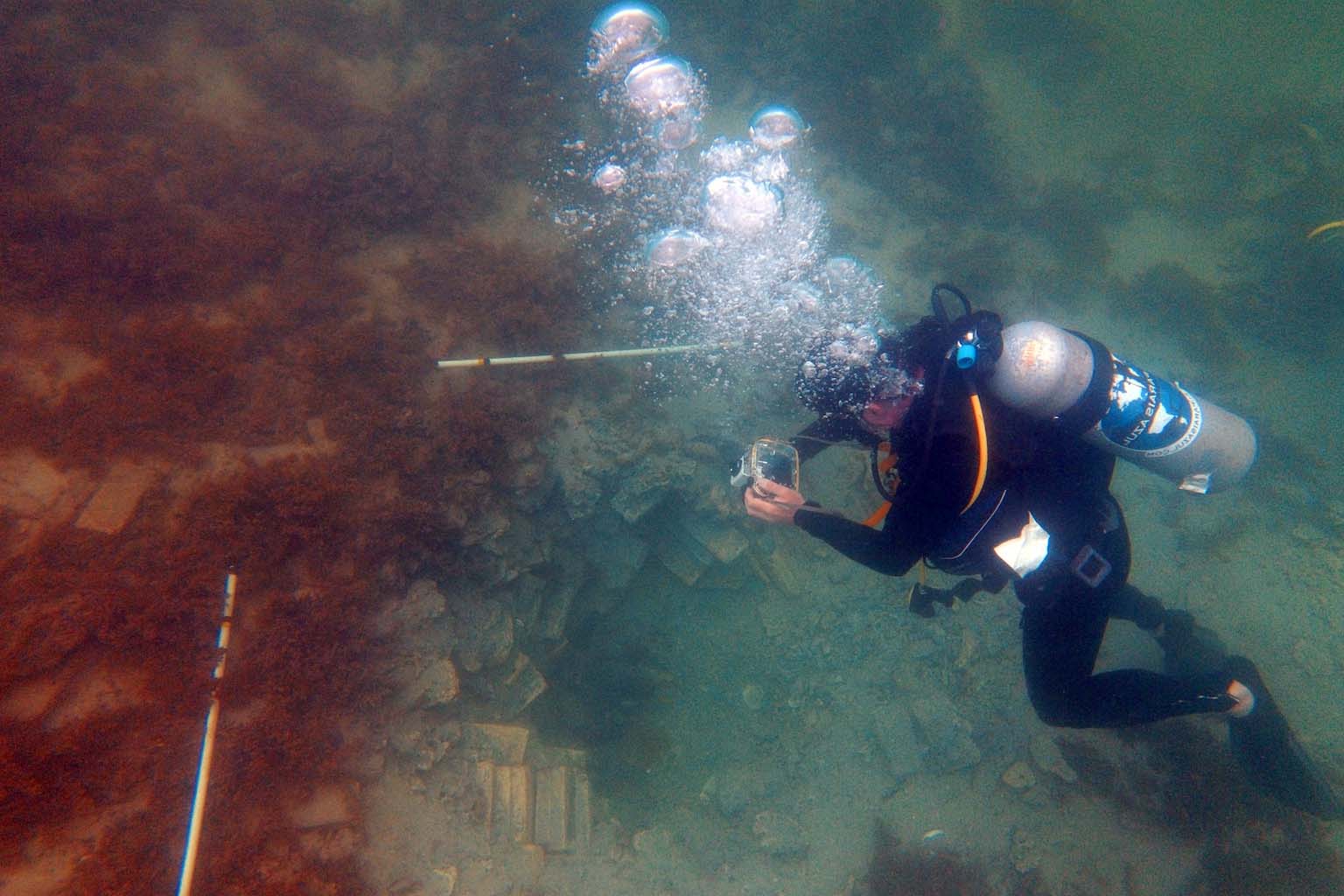
Lost shipwrecks off Costa Rica’s coast have stunned historians by revealing an unexpected truth: these aren’t pirate vessels but 18th-century Danish slave ships involved in a dark transatlantic saga. What was once local legend has now unraveled into an extraordinary story of rebellion, fire, and maritime tragedy, shedding new light on Denmark’s role in the transatlantic slave trade.
Unearthing the Real Story Beneath the Waves
For decades, the shipwrecks resting near Cahuita National Park on Costa Rica’s southern Caribbean coast were thought to be the remains of pirate ships. But thanks to the meticulous work by marine archaeologists from the National Museum of Denmark, these wrecks—known as the Fridericus Quartus and Christianus Quintus—have been definitively identified as Danish slave ships lost in 1710. This discovery transforms both local lore and the broader maritime history between Europe and the Caribbean.
Marine archaeologist Andreas Kallmeyer Bloch, who co-led the excavation, explained that the project exposed a “dramatic chapter in Danish history,” far removed from myths of pirates or treasure. Instead, the wrecks tell a harrowing tale of the transatlantic slave trade, violent rebellion, and tragic loss at sea.
Denmark’s Hidden Role in the Transatlantic Slave Trade
While often overshadowed by Britain, Portugal, or Spain, Denmark’s involvement in the transatlantic slave trade was substantial. Between the 17th and 18th centuries, the Danish West India Company transported over 120,000 enslaved Africans to Caribbean colonies like St. Thomas in the Danish West Indies, now part of the U.S. Virgin Islands.
New archaeological methods, including dendrochronology (tree-ring dating), confirmed the origin of the wrecks. Oak timbers recovered from the site were traced to regions such as Schleswig-Holstein and Denmark, felled between 1690 and 1695, perfectly matching the shipbuilding period. The charred nature of the timbers corresponded with historical accounts of the Fridericus Quartus catching fire.
According to a report by Archaeology Magazine, this intersection of scientific techniques and archival research is pivotal for revealing truths buried beneath the ocean’s surface.
A Harrowing Voyage Marred by Rebellion and Disaster
The voyages of the Fridericus Quartus and Christianus Quintus were marked by desperation and violence. As these ships prepared to leave the Gold Coast (now Ghana), a slave revolt broke out onboard. Despite the enslaved individuals’ desperate bid for freedom, the uprising was brutally suppressed—the revolt’s leader was mutilated and executed.
Fearing further insurrections, the Danish ordered the two ships to sail in close company across the Atlantic. But the journey quickly descended into chaos. With provisions running dangerously low, captains made the harrowing choice to indefinitely release hundreds of enslaved people at sea to conserve food. Approximately 600 of them remarkably survived, reaching Costa Rica’s shores.
Ultimately, the Fridericus Quartus caught fire and was destroyed, while the Christianus Quintus, having lost its anchor, was wrecked on the coast by pounding surf.
Scientific Evidence Unlocks a Maritime Mystery
A major breakthrough came in 2015 when marine archaeologists discovered distinctive yellow bricks near one of the wrecks. These bricks, made exclusively from Danish clay sourced from Iller Strand and Egernsund near Flensburg Fjord, are a hallmark of 18th-century Danish construction.
Additionally, Dutch clay pipes found onsite—commonly used by Danish sailors but rarely kept beyond five years—further confirmed the ships’ origins. Combining these artifacts with the dendrochronological dating of fire-charred Baltic oak timbers created an irrefutable case for identifying the wrecks as Danish slave vessels.
David Gregory, a marine archaeologist and research professor at the National Museum of Denmark, emphasized the strength of these findings: “The combination of charred timbers and Danish bricks is very convincing. We now have no doubt these are the wrecks of the two Danish slave ships.”
The investigation formed part of Njord, the National Museum of Denmark’s global maritime project, bringing together institutions such as the Viking Ship Museum, University of Southern Denmark, and the National Museum of Costa Rica. This collaborative effort highlights how combining archaeology, archival studies, and local knowledge can rewrite historical narratives.
A Legacy That Resonates Today
These shipwrecks are more than relics—they serve as somber reminders of a painful past that touches both Denmark and the communities near Cahuita, Costa Rica. For locals, living beside these silent ruins, the revelation provides a long-overdue acknowledgment of the transatlantic slave trade’s human cost.
Andreas Kallmeyer Bloch reflected on the significance: “This excavation is not only one of the most dramatic I’ve worked on, but it also matters deeply to the local population. It helps to reshape our understanding of the intertwined histories of Denmark, the Caribbean, and the Atlantic world.”
This maritime discovery invites ongoing conversation and reflection on how the ocean conceals stories of human endurance, cruelty, and resistance—critical for fostering a more honest understanding of history.
Have you come across a shipwreck or historic discovery that changed your perspective on history? Share your thoughts, reactions, or questions in the comments below — your voice adds to this unfolding story.