


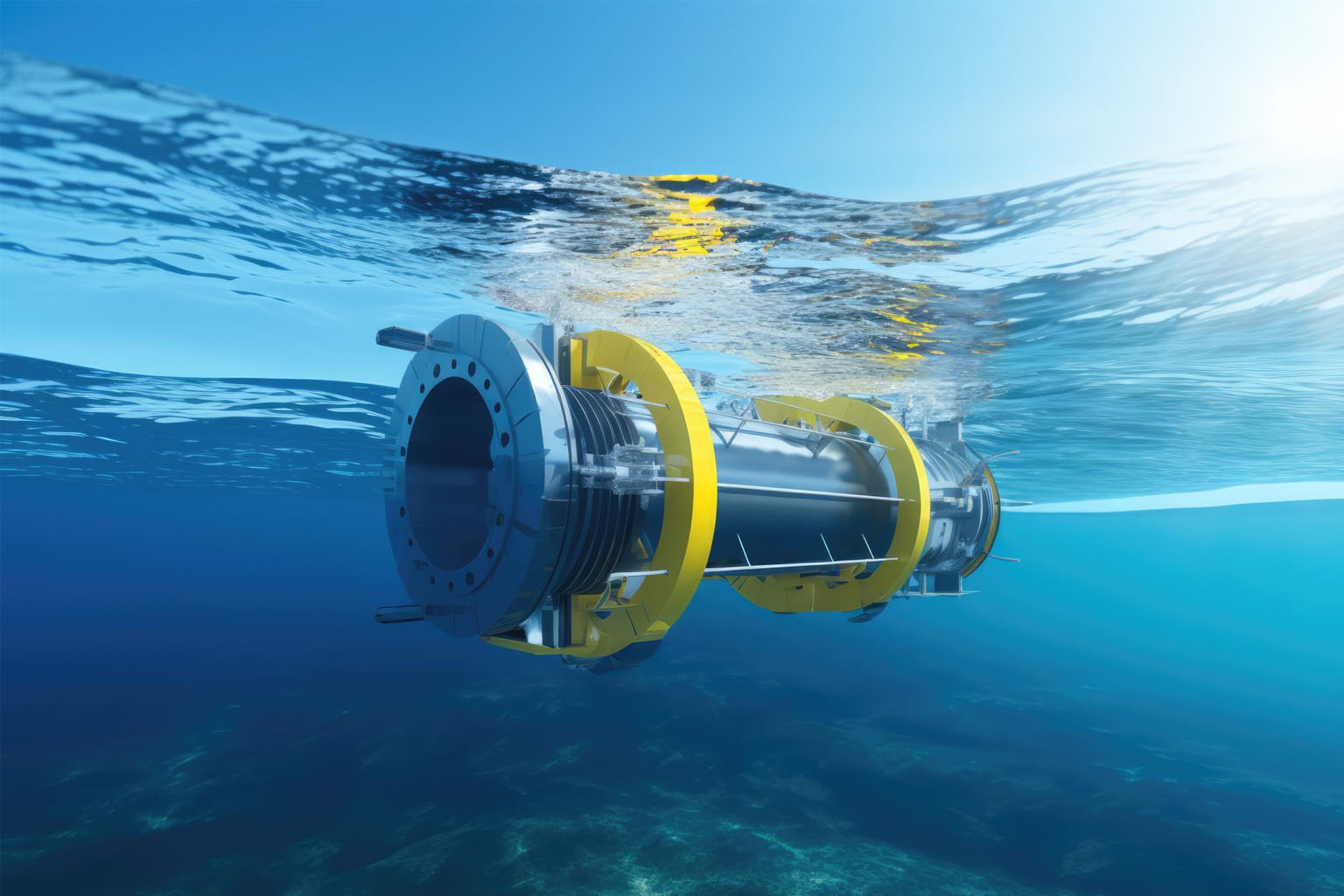
Europe is standing on the brink of an energy revolution beneath the waves of the North Sea. Imagine unlocking a hidden treasure that could produce up to 45,000 tons of green hydrogen every year — a game changer in the race for clean and sustainable energy. This remarkable breakthrough is not just a dream but an ambitious reality driven by innovation, collaboration, and powerful offshore winds.
Europe’s new energy frontier lies beneath the North Sea
For decades, the North Sea was synonymous with oil and gas extraction, but today, it is rapidly transforming into a hub for renewable energy. Thanks to its strong and consistent winds, this region is now ideal for offshore wind farms that generate the electricity needed to produce green hydrogen through electrolysis — a process that splits water into hydrogen and oxygen without releasing carbon dioxide.
The scale is breathtaking: experts expect North Sea offshore wind farms to reach around 300 gigawatts, providing immense power for electrolysis. Producing hydrogen this way is critical, as it offers a carbon-free energy carrier that can help Europe cut its greenhouse gas emissions and improve energy security. According to a study published in Science Direct, green hydrogen is “a vital component for energy evolution through its renewable production methods” and is expected to “strengthen energy security systems substantially.” This suggests a transformative shift in how Europe sources and uses energy.
Cutting-edge technologies drive the green hydrogen boom
The innovation powering this transition doesn’t stop with offshore wind alone. Novel systems like the Windcatcher floating turbine are designed to optimize wind capture by acting as a wind “wall,” enhancing the capacity of existing wind farms. These technologies make production more efficient and help reduce installation and maintenance costs, especially in the North Sea’s relatively shallow waters.
This combination of advanced engineering and natural advantages is what makes producing green hydrogen offshore a feasible, scalable solution. It’s a promising path that blends environmental responsibility with economic opportunity.
UK and French companies pilot large-scale offshore hydrogen projects
One of the most exciting developments in recent months is a joint effort by the UK’s Centrica and French hydrogen services firm Lhyfe. They launched a pilot project in the southern North Sea designed to prove green hydrogen production, storage, and distribution can work at scale offshore. This cooperation is part of a broader memorandum of understanding, highlighting the importance of cross-border partnerships in accelerating clean energy adoption.
Colin Brown, Lhyfe’s UK and Ireland country manager, shared optimism about the project: “We are pleased to announce this agreement with Centrica, which represents an exciting opportunity to drive forward the clean energy transition through large-scale offshore green hydrogen production.” Meanwhile, Martin Scargill, managing director of Centrica Storage, emphasized hydrogen’s role in achieving the UK’s climate goals, stating, “Hydrogen is going to play a key role in decarbonizing the UK’s power supply by 2035.”
In line with this vision, the UK government has doubled its low-carbon hydrogen production target from 5 to 10 gigawatts by 2030, with half expected to come from green hydrogen sources. This policy shift signals a strong governmental commitment to moving away from fossil fuels and securing a sustainable energy future.
Overcoming challenges to realize Europe’s hydrogen ambitions
Despite the promise and momentum, several hurdles must be addressed to fully harness the North Sea’s green hydrogen potential. Coordination between multiple countries is crucial to unify regulations, investment priorities, and infrastructure development.
Securing funding for early-stage projects and further improving electrolysis technology are critical steps. Experts warn that “the realization of success will depend on solving these obstacles by implementing specific policies and developing public-private collaboration systems.” This highlights the vital role governments and industries must play to ensure smooth integration of hydrogen into existing energy markets.
The North Sea’s potential as a global clean hydrogen megahub is not merely about resource availability but depends on sustained innovation, regulatory alignment, and bold investment. As Europe navigates this complex path, it also helps strengthen its energy independence and bolsters economic growth in sustainable sectors.
Europe’s bold step beneath the North Sea isn’t just about the future of energy — it’s about reshaping economies, reducing climate risk, and inspiring a new generation of clean power innovations. This vast underwater potential reflects the continent’s commitment to a sustainable tomorrow, powered by wind, water, and partnership.
How do you feel about Europe’s green hydrogen ambitions? Share your thoughts, questions, or experiences with renewable energy in the comments below or spread the word by sharing this article!